What atmospheric layer hosts the light show of a typical meteor?
Answer
The upper mesosphere and thermosphere
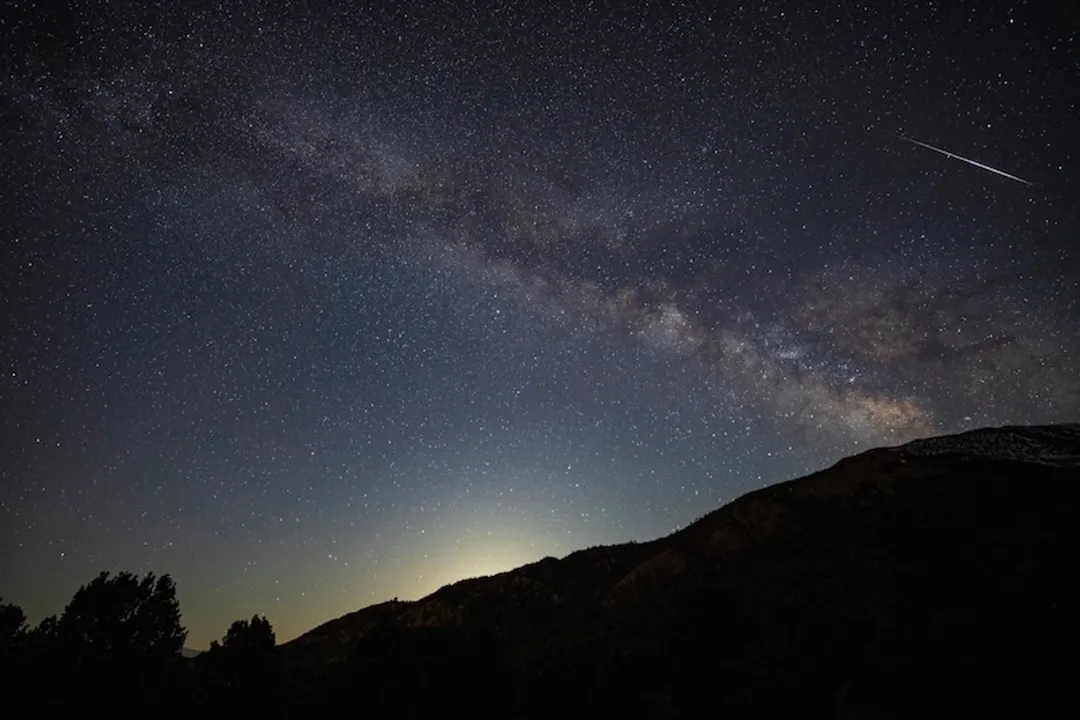
The visual manifestation of a meteor, the incandescent streak, occurs within a relatively narrow band high above the Earth's surface. Meteors only begin glowing intensely once they reach an altitude where the atmospheric drag is sufficient to generate the necessary extreme heat required for ablation and gas excitation. This critical zone encompasses the upper reaches of the mesosphere and extends into the thermosphere. These layers provide the necessary medium—gases like nitrogen—that can be excited by the passage of the superheated vaporized rock plume to produce the characteristic light emissions observed by ground-based viewers.
Related Questions
Which element primarily causes a prominent red glow during a meteor streak?At what approximate altitude range do meteors generally start becoming incandescent?What element typically yields a blue-green light when seen in a meteor trail?What causes the meteoroid material and surrounding air to emit light during entry?What atmospheric layer hosts the light show of a typical meteor?What elemental signature is associated with Iron vaporizing from meteoroid material?What might a very fast meteor's brief light emission suggest about its color?Which meteor shower is known for potentially exhibiting a whole rainbow of colors?What does observing a distinct yellow or orange tint usually imply about the vaporized material?What might the duration of a red color streak indicate about the particle that caused it?