Are there any real photos of Venus?
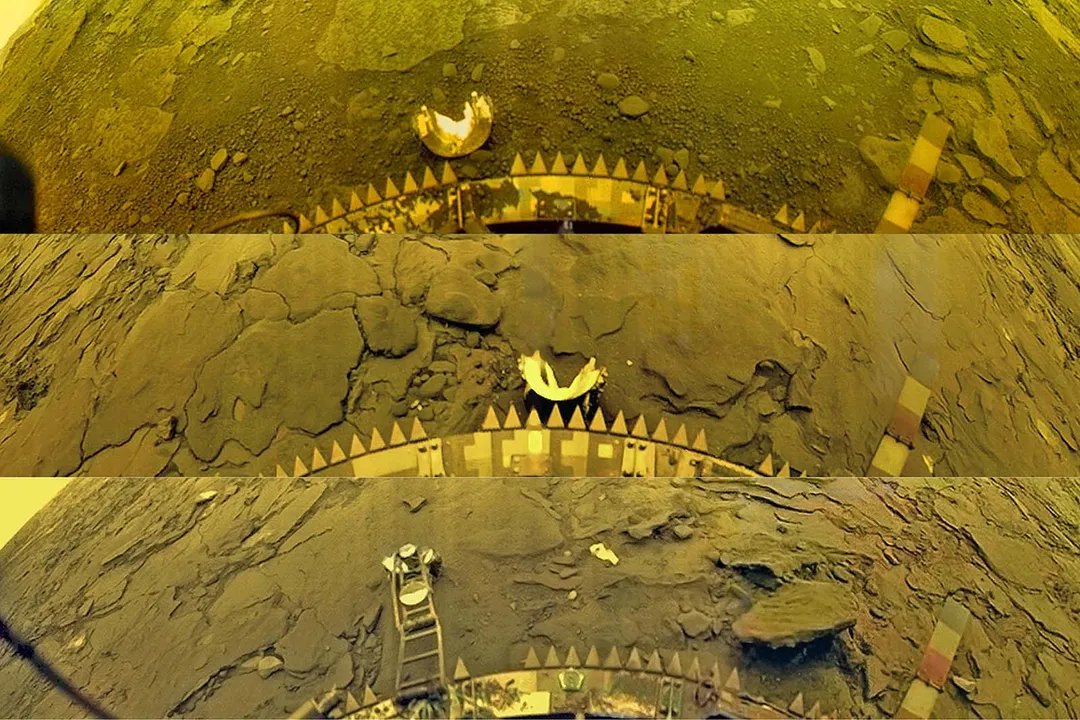
The planet Venus, often called Earth's "sister planet" because of its similar size and mass, remains perpetually shrouded in a thick, acidic atmosphere, making direct visual observation of its surface extremely challenging. This veil of clouds is so effective that, for centuries, what the surface actually looked like was purely the stuff of scientific speculation and artistic imagination. However, the answer to whether we have any real photos of Venus's surface is a definitive, albeit qualified, yes. These images are few, precious, and artifacts of a bygone era of space exploration.
# Surface Photographs
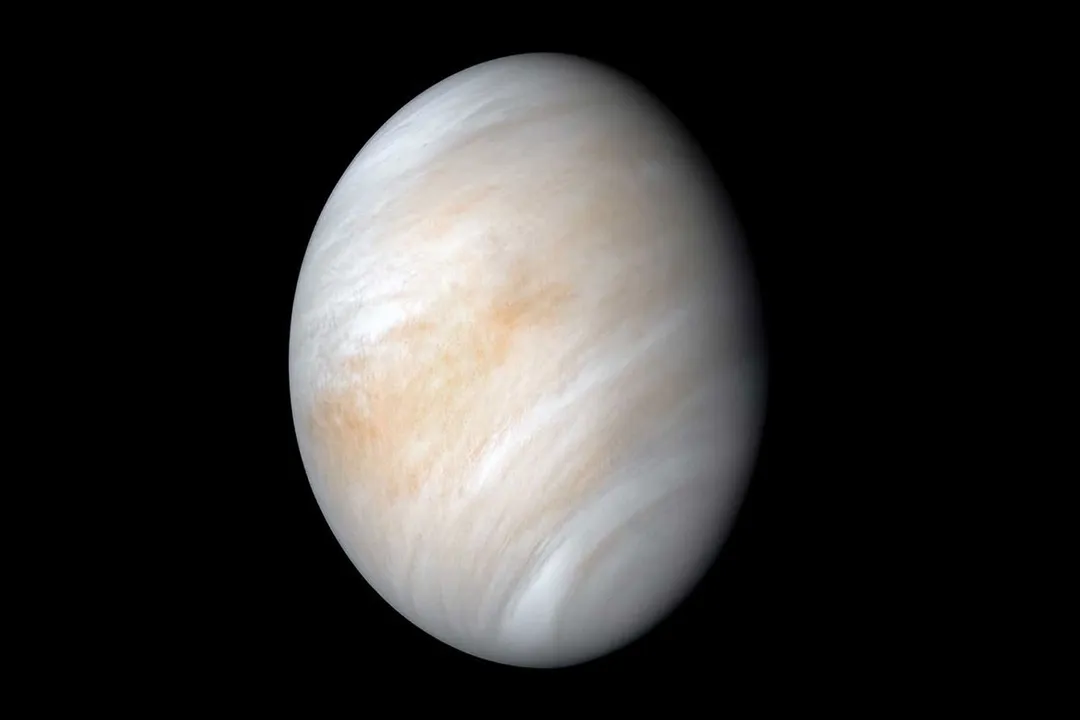
The only direct photographs ever captured of the surface of Venus originated from the Soviet Union's Venera program. These missions were remarkable feats of engineering, managing to deploy landers that could survive conditions far more hostile than anything found on Earth. The atmosphere on Venus creates immense pressure—about 92 times that at sea level on Earth—and temperatures exceeding ().
The first transmission of surface images occurred in 1975 when the Venera 9 and Venera 10 landers sent back panoramic black-and-white views of the alien terrain. These initial shots revealed a rocky, barren landscape, illuminated by a dull, pervasive orange-yellow light filtering through the dense atmosphere. It was a moment of immense historical significance: humanity had successfully placed a camera on another planet's ground.
Color images followed later. In 1982, Venera 13 and Venera 14 successfully landed and transmitted the first true-color surface photographs. These images show a desolate landscape littered with dark, flat rocks and patches of lighter soil, all bathed in that characteristic dim, reddish glow. The mission success was brief; the extreme heat and pressure rapidly degraded the electronics, meaning these landers could only transmit data for about two hours.
# Image Fidelity
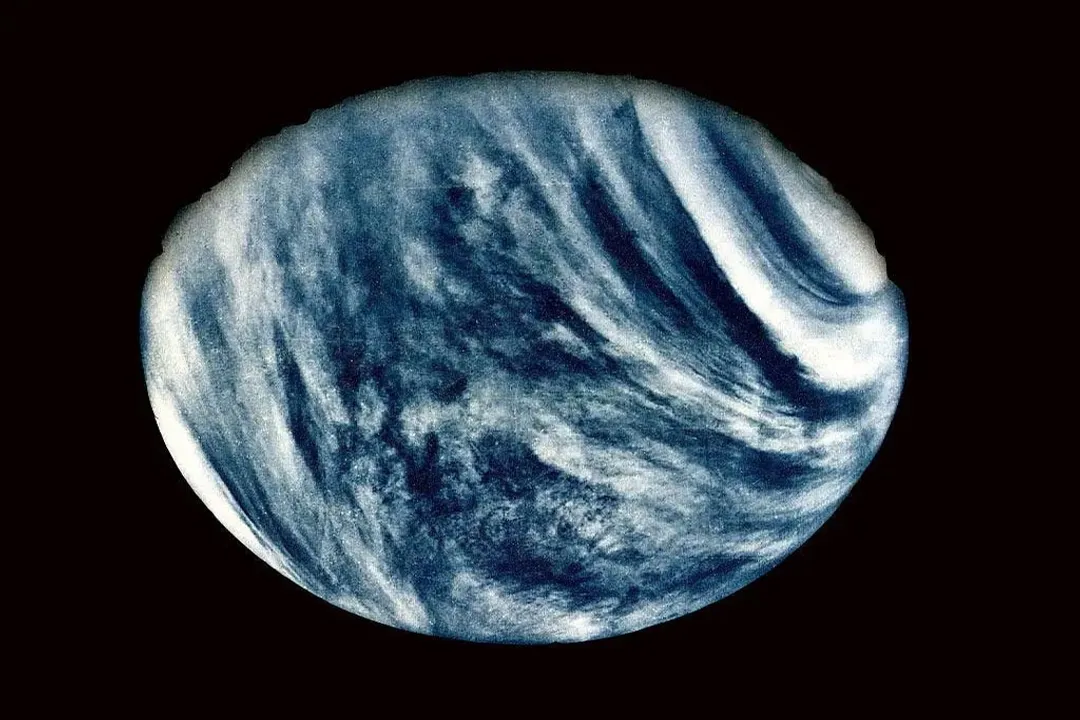
When people look at these famous Venera images today, they often wonder about their fidelity. Are they truly what the camera saw? The short answer is that they represent the best available data from an incredibly difficult environment, but they are not comparable to modern digital photography.
The very first successful images from Venera 9 and 10 were actually black and white scans of television images taken inside the lander. Color was introduced with Venera 13 and 14, but even these required careful interpretation. The light reaching the surface has been heavily filtered by miles of sulfuric acid clouds, stripping away most blue and green wavelengths.
A key element readers must understand about the most commonly shared color images of Venus's surface is the color correction applied post-mission. While the overall scene is indeed orange/reddish due to atmospheric filtering, the specific hues of the rocks in enhanced versions are often an educated reconstruction. Scientists have to estimate what the rocks’ true color might be if viewed under white light, adjusting the color balance from the heavily filtered transmission data. This process can lead to variances in what different publications display as the "official" color version of the Venera 13/14 photos.
The operational lifetime of the landers—mere hours—also meant that only a small number of pictures could be taken before hardware failure, limiting the overall photographic record to just a handful of views.

# Orbital Views
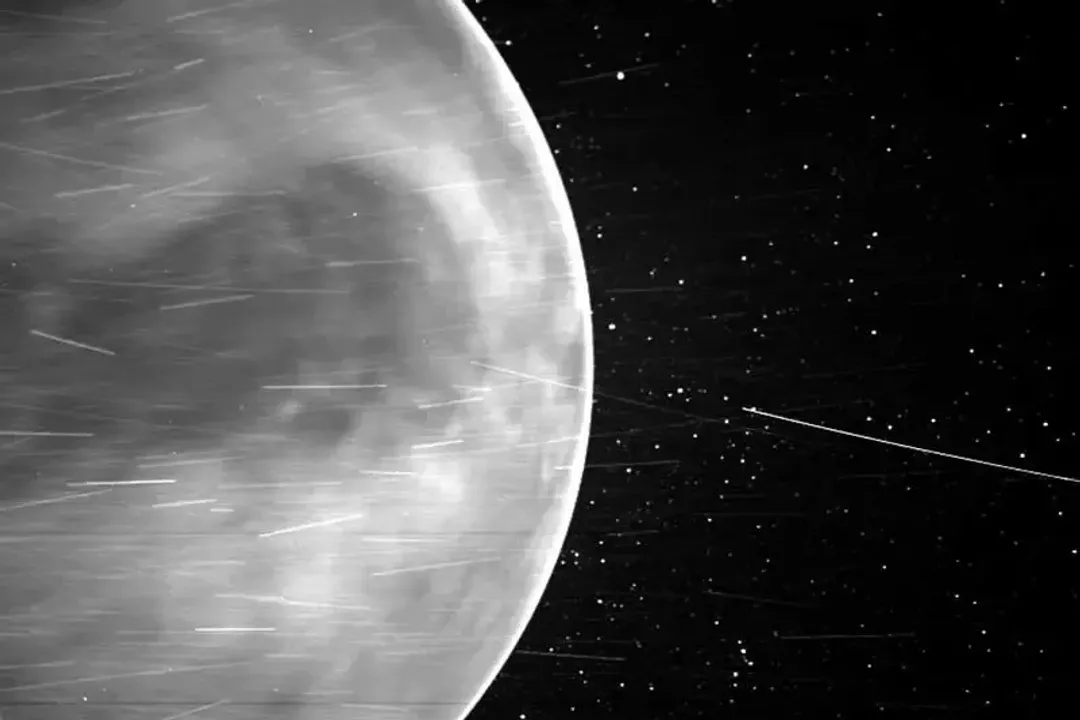
If surface photos are rare artifacts, then orbital photos are what we see most frequently when we look up images of Venus online. These come from various spacecraft that have orbited the planet, such as NASA's Magellan probe or the current Japanese Aerospace Exploration Agency (JAXA) mission, Akatsuki.
However, these orbital views are not taken with standard optical cameras looking through the clouds to the ground in the visible spectrum. If you look at the stunning, detailed, three-dimensional-looking maps of Venus, you are almost certainly looking at radar data. Because visible light cannot penetrate the opaque cloud deck, missions like Magellan used powerful radar instruments to send microwave pulses toward the surface. By measuring the time it took for the echoes to return and the strength of those echoes, scientists create high-resolution topographical maps. These maps are then artistically rendered into what look like photos, often using false colors to highlight elevation differences—canyons, plains, and volcanoes.
The JAXA Akatsuki spacecraft, which entered orbit in 2015, provides continuous imaging, but its focus is almost entirely on the atmosphere—tracking the super-rotation of the clouds, monitoring lightning, and studying atmospheric composition. While beautiful and scientifically crucial, these are pictures of the cloud tops, not of the ground beneath them.
# Comparing Data Acquisition
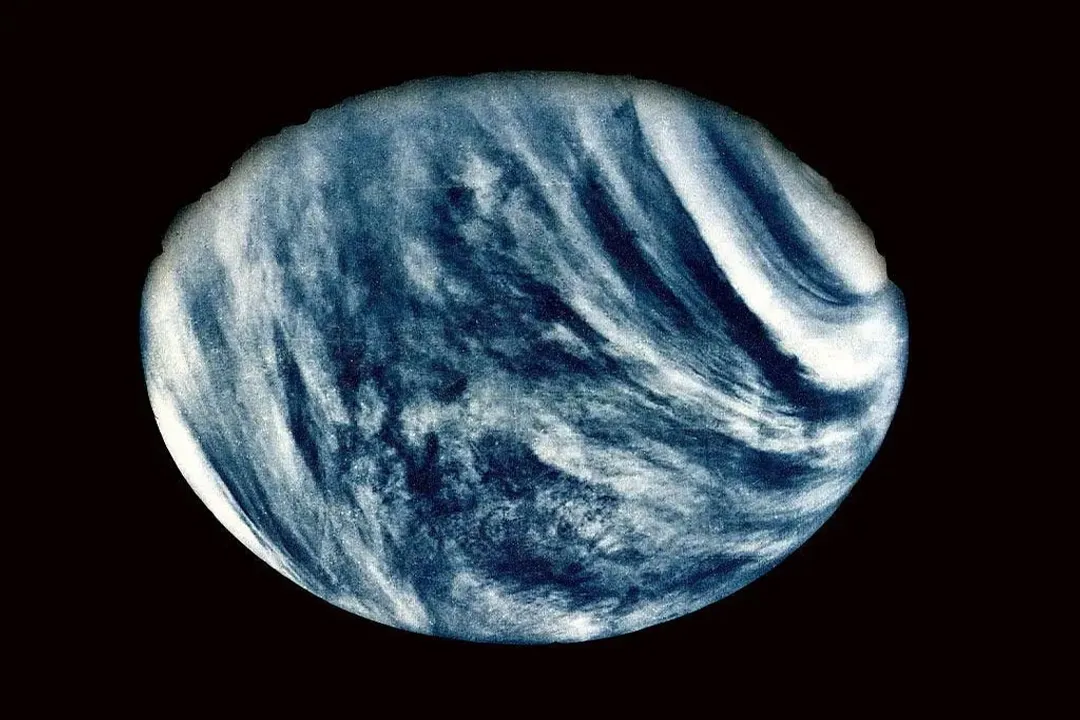
It is interesting to compare the engineering constraints that dictate the type of image we get from Venus across different eras. The older Soviet landers prioritized survival long enough to transmit any image, resulting in low-bandwidth, slow-scan photography. The equipment had to be miniaturized and heavily shielded to survive minutes, perhaps an hour or two, on the surface.
Contrast this with modern orbital probes. Missions like Magellan focused on comprehensive mapping over years, making radar the ideal tool because it works day or night and ignores the clouds entirely. The data volume is high, but it's radar return data, not visual light data.
If we consider what is visually available for general consumption, the contrast becomes stark. You can easily find high-definition video visualizations of the surface of Mars, generated from ongoing rover missions. For Venus, the visual library is restricted to a handful of frames taken four decades ago by Soviet hardware, supplemented by radar-derived topographical models. The sheer difficulty of surviving on the surface means that getting more surface photography is a harder engineering problem than continuing to map the atmosphere from orbit.
# The Future of Venus Imaging
Current and near-future concepts for Venus exploration are heavily focused on understanding its climate evolution, rather than just taking more surface snapshots. Missions planned by NASA, such as VERITAS and DAVINCI, aim to use advanced radar and atmospheric probes to create the first truly high-resolution, global topographical maps, and to sample the atmosphere directly.
The DAVINCI probe, for instance, will descend through the atmosphere, using sophisticated instruments to analyze the air composition, pressure, and temperature as it falls, effectively taking a high-tech "slice" of the atmosphere from top to bottom. While this won't return traditional photographs, the data gathered will allow for unparalleled 3D modeling of the terrain beneath the clouds, which, when rendered, will look far more realistic than the old Venera stills. Ultimately, while the historical photos provide a tangible link to the surface environment created by the Venera missions, our clearest understanding of the topography is coming from the unseen radar waves that pass right through the dense, hot veil.
#Videos
Venera's Venus Images Have Nothing On This! | NASA Magellan
The First and Only Photos From Venus - What Did We See? (4K)
Related Questions
#Citations
Every picture from Venus' surface, ever | The Planetary Society
Images of Venus - NASA Science
Surface of Venus. Clicked by Russian spacecraft Venera 13 on 1st ...
These Are the Only Photos Ever Captured of the Surface of Venus
Venera's Venus Images Have Nothing On This! | NASA Magellan
Captured by Venera 13 in 1982: The Only Photos Humanity Has of ...
Do we have a good quality real photo of planet Venus? - Quora
Clearest image ever taken of Venus. : JAXA - Facebook
These are the only photos of the surface of Venus we have, so we ...