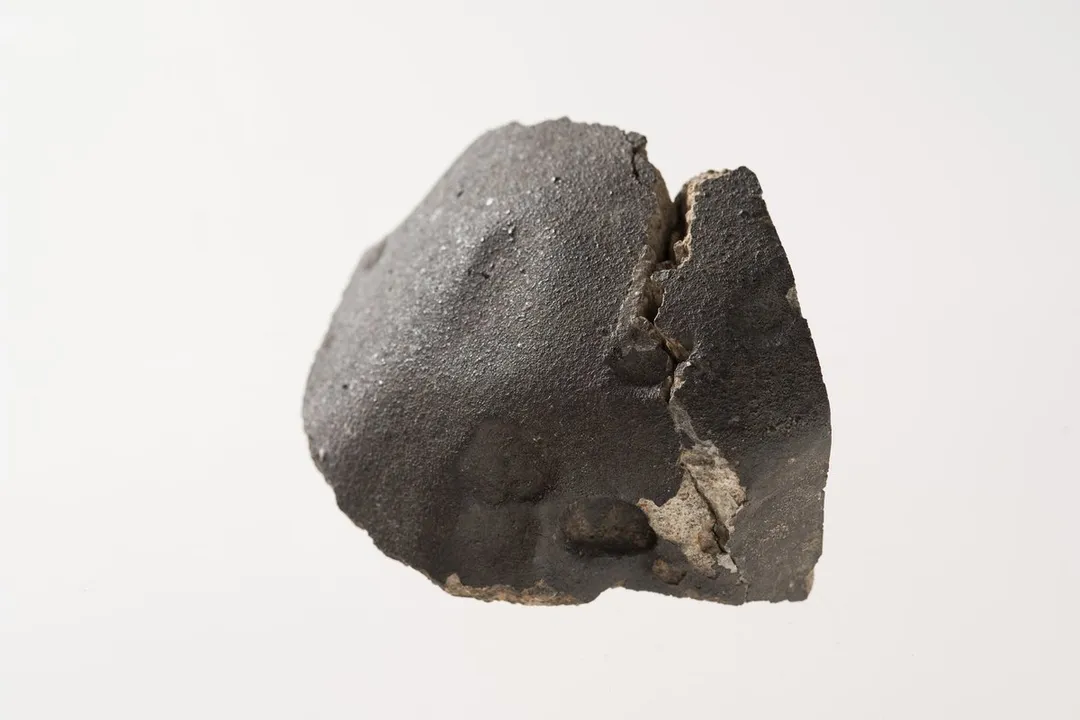
Why are Chondrites considered the most primitive material for studying early solar system history?
They contain chondrules and have largely avoided melting/differentiation
Chondrites are a major subdivision within stony meteorites and are considered the most primitive material available for scientific study because they have retained characteristics from the very earliest stages of solar system formation. Their defining feature is the presence of chondrules, which are small, spherical inclusions of silicate minerals formed when dust and rock melted momentarily before solidifying quickly. Crucially, chondrites have largely escaped significant subsequent geologic processes such as melting or differentiation—the internal separation of materials based on density—meaning they offer a pristine chemical snapshot of the initial building blocks of planets.