What was one ancient belief regarding the physical nature of stars affixed to the firmament?
Answer
Lights affixed to the solid dome.
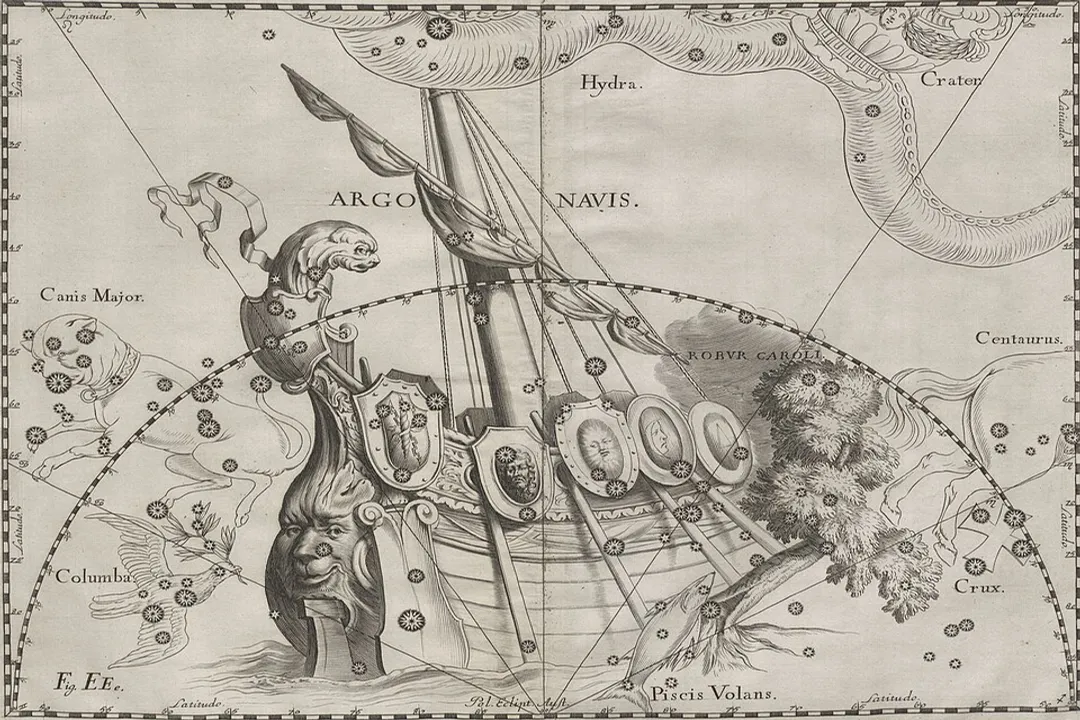
Ancient beliefs about the physical nature of the stars often merged cosmology with theology, diverging significantly from modern science. A common belief involved the concept of the firmament, which was often conceived of as a solid dome or shell surrounding the Earth. Within this framework, many cultures believed that the stars were literally lights physically attached or affixed to the inner surface of this rigid dome. Another related, though more radical, view suggested that stars were actually perforations or holes poked through this celestial shell, allowing the light from a higher, internal realm to shine outward.
Related Questions
What was the immediate necessity driving the ancient study of the sky?What agricultural event did the heliacal rising often signal for ancient Egyptians?What concept did Claudius Ptolemy's model firmly establish as the universe's center?What was the primary focus of the Chinese tradition concerning celestial disturbances?What physical remains are compelling evidence studied in Archaeoastronomy?Which concept did early Greek thinkers use to move beyond strictly narrative accounts of the cosmos?What did the Babylonians develop sophisticated methods for tracking, largely in service to divination?Why do modern researchers adjust ancient alignments for precession?Besides creating intricate calendars, what advanced mathematical demonstration did the Maya perform?What was one ancient belief regarding the physical nature of stars affixed to the firmament?How did sailors utilize constellations and bright stars for navigation?