What does the transit method allow astronomers to estimate regarding an exoplanet's physical characteristics?
Answer
Planet’s diameter (size) and orbital period.
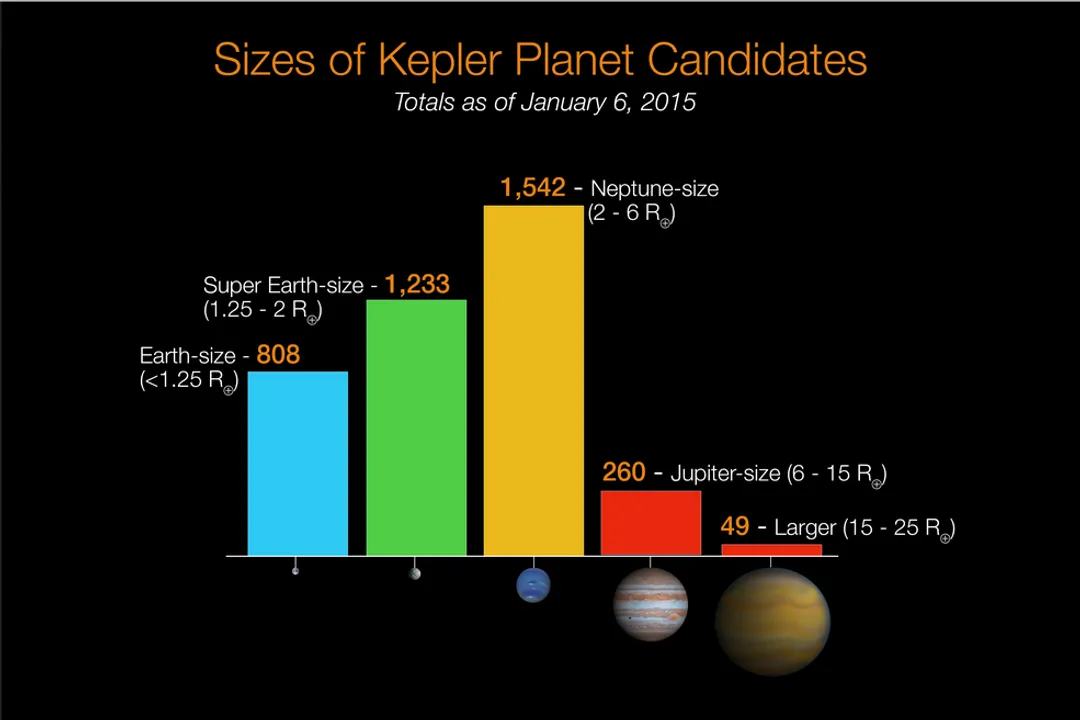
The transit method is instrumental in determining the physical dimensions of a transiting exoplanet. When the planet passes in front of its star, the resulting fractional dimming of the star's light is directly proportional to the ratio of the planet's area compared to the star's area. If the star's radius is known, this measurement allows for the calculation of the planet’s diameter, or size. Furthermore, the time interval between consecutive dips in brightness—the periodicity of the transits—accurately establishes the length of the planet's year, or its orbital period, making this method the workhorse for missions focused on cataloging planet sizes.
Related Questions
What is the precise definition of an exoplanet according to the text?What devastating combination of factors primarily hinders the direct observation of distant exoplanets?What specific stellar light shift is measured when applying the radial velocity method to detect orbiting planets?What primary result regarding an exoplanet is obtained using the radial velocity (Doppler) method?What physical event characterizes the transit method, enabling the measurement of an exoplanet's size?Which type of exoplanet, characterized by gas giants orbiting very close to their stars, are superheated?What accessory is specifically required to physically block a host star's light during direct imaging of an exoplanet?What is the theoretical minimum mirror size required to resolve surface features like Earth's continents on a planet light-years away?What does the transit method allow astronomers to estimate regarding an exoplanet's physical characteristics?What is the estimated average planet population per star in the Milky Way galaxy according to accumulating evidence?