What challenges planetary formation models concerning M-dwarf stars?
Answer
Finding gas giants orbiting small, cool M-dwarf stars
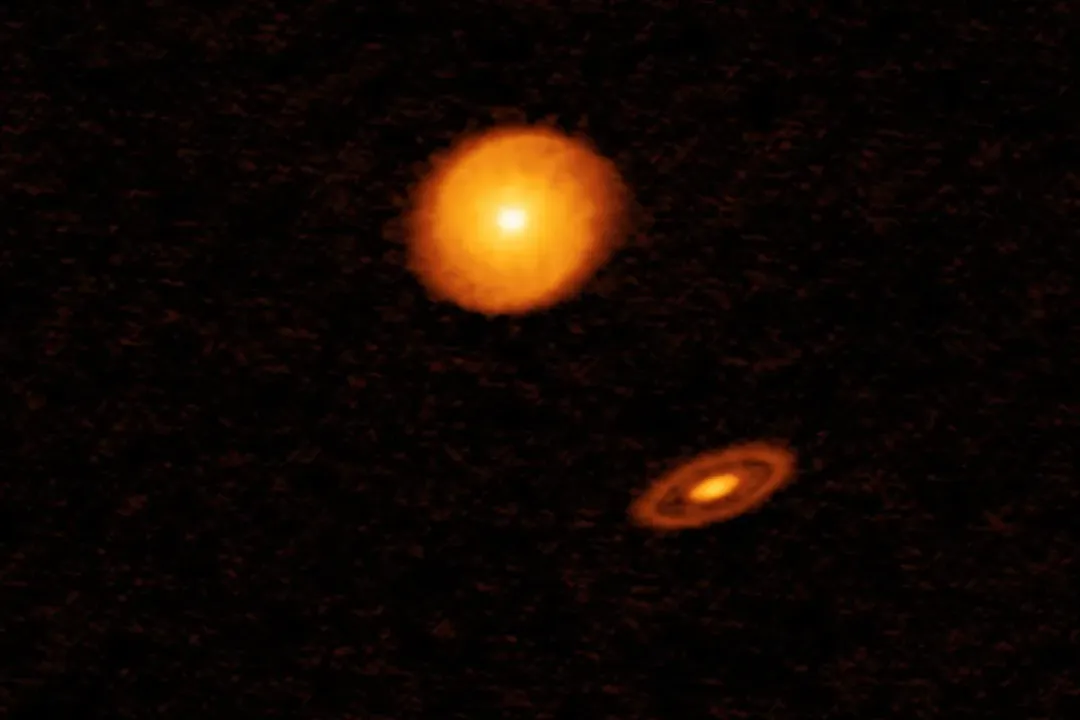
The discovery of gas giants orbiting small, cool M-dwarf stars presents a significant challenge to established planetary formation theories. Current models often suggest that the formation of massive planets, such as gas giants, requires large, gas-rich protoplanetary disks. Typically, these extensive disks are associated with more massive host stars, not the smaller, cooler M-dwarfs. The presence of large planets around these smaller stars implies that the mechanisms for planet building are far more diverse and efficient than previously theorized, suggesting that the process which created Earth is merely one possibility among many outcomes during stellar birth.
Related Questions
What are the countless worlds orbiting stars light-years away from Earth collectively termed?What challenges planetary formation models concerning M-dwarf stars?What is the name for a planet that orbits both stars in a binary star system?What is the first, more intuitively stable orbital path for a circumbinary planet?What unique dynamic phenomenon is far more likely in the orbits of circumbinary planets compared to single-star systems?How does the transit method influence the current catalog of confirmed exoplanets?What makes detecting a 'cold' Jupiter orbiting far out difficult using the transit method?What is the primary driver of the orbital architecture in a relatively placid single-star exoplanetary system?In a binary star system, what stability arrangement involves the planet orbiting only one of the two stars?What implication does the confirmation of widespread planetary formation suggest about the ingredients present in the galaxy?