How does the rate of tidal energy deposition relate to a moon's geological state?
Geological activity exists on a spectrum dictated by the rate of energy deposition.
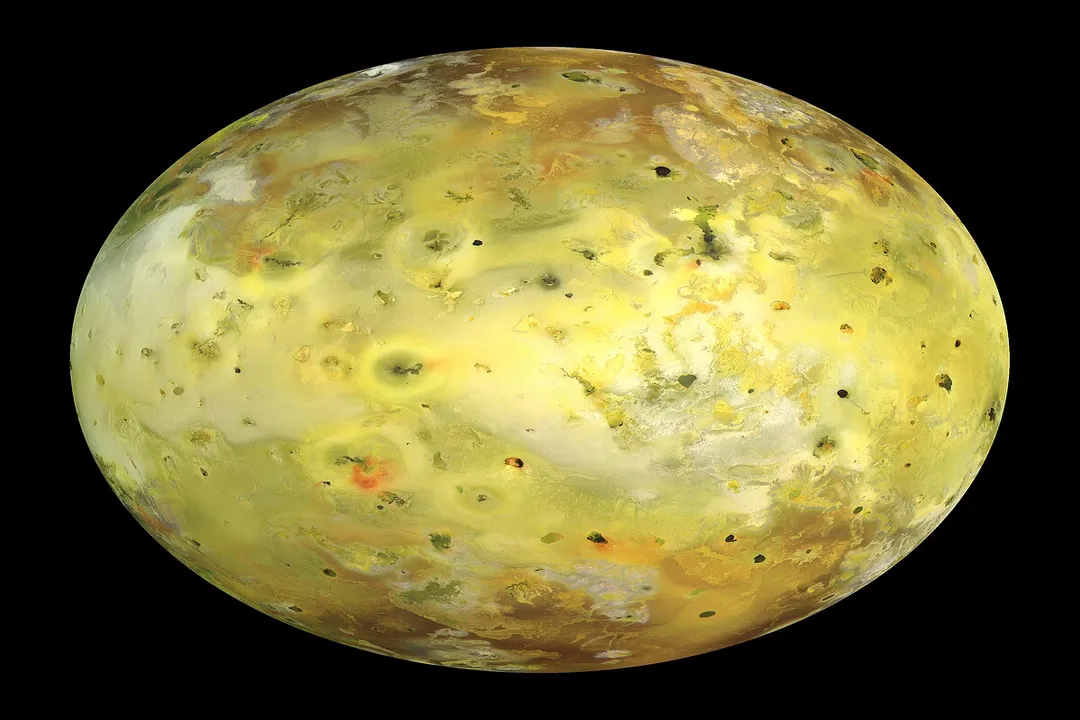
Geological activity among these moons is not simply an 'on' or 'off' switch, but rather exists along a measurable spectrum directly correlated with how much tidal energy is being deposited per unit time. Io represents one extreme, receiving enough energy to maintain molten rock and vigorous silicate volcanism. Enceladus receives an intermediate, but significant, amount of energy, just enough to sustain a warm, liquid ocean layer beneath its ice sheets (cryovolcanism). Callisto receives insufficient energy to overcome heat loss, resulting in a frozen, static surface. This variation strongly indicates that the rate of tidal energy input is the primary determinant of surface vitality.