How to tell if a moon is geologically active?
The idea of the Moon as a cold, inert rock, frozen solid shortly after its violent birth, has long been the default assumption in astronomy. After all, compared to the sizzling volcanoes of Jupiter’s moon Io, our own satellite appears eerily quiet. However, recent scientific detective work, much of it stemming from data collected decades ago, paints a much more dynamic picture. The Moon has not been entirely geologically dead for the past few billion years; in fact, evidence suggests it has remained surprisingly active much more recently than previously modeled. Determining if any celestial body—a moon, a planet, or a dwarf planet—is geologically active boils down to spotting the evidence of internal forces manifesting on its surface or through its interior.
# Seismic Whispers
The most direct evidence of internal geologic activity comes from seismic events, or quakes. When we talk about a geologically active world, we are looking for a source of mechanical stress that is currently causing the crust to shift or fracture. On Earth, this is plate tectonics driven by convection in the mantle. For a small, ancient body like the Moon, the forces are subtler but still present.
# Moonquake Types
The seismic network left behind by the Apollo missions provided the crucial data for understanding lunar seismicity, recording thousands of moonquakes over several years. Scientists categorize these events based on their cause and depth. Deep moonquakes, originating below about 70 kilometers, are often attributed to tidal forces caused by Earth’s gravity flexing the Moon’s interior as it orbits. These are the expected, persistent background tremors of a gravitationally stressed body.
However, the real surprises came from the shallow moonquakes, which occur less than 20 kilometers beneath the surface. These tremors are far more powerful and erratic than their deep counterparts. Their localized nature suggests they are caused by the ongoing contraction of the Moon as it slowly cools from its interior outward. As the interior shrinks, the brittle crust is squeezed, leading to the formation of what are called thrust faults—the same type of feature created by compressional stress on Earth. Identifying these shallow quakes is key; they represent the Moon actively adjusting its structure in response to lingering internal heat or tidal stress.
# Surface Features
If a moon is active, its surface will bear the scars, either from past eruptions or ongoing faulting. For a body that lacks widespread erosion from wind or water, like the Moon, these features can remain remarkably well-preserved for vast stretches of time.
# Wrinkle Ridges
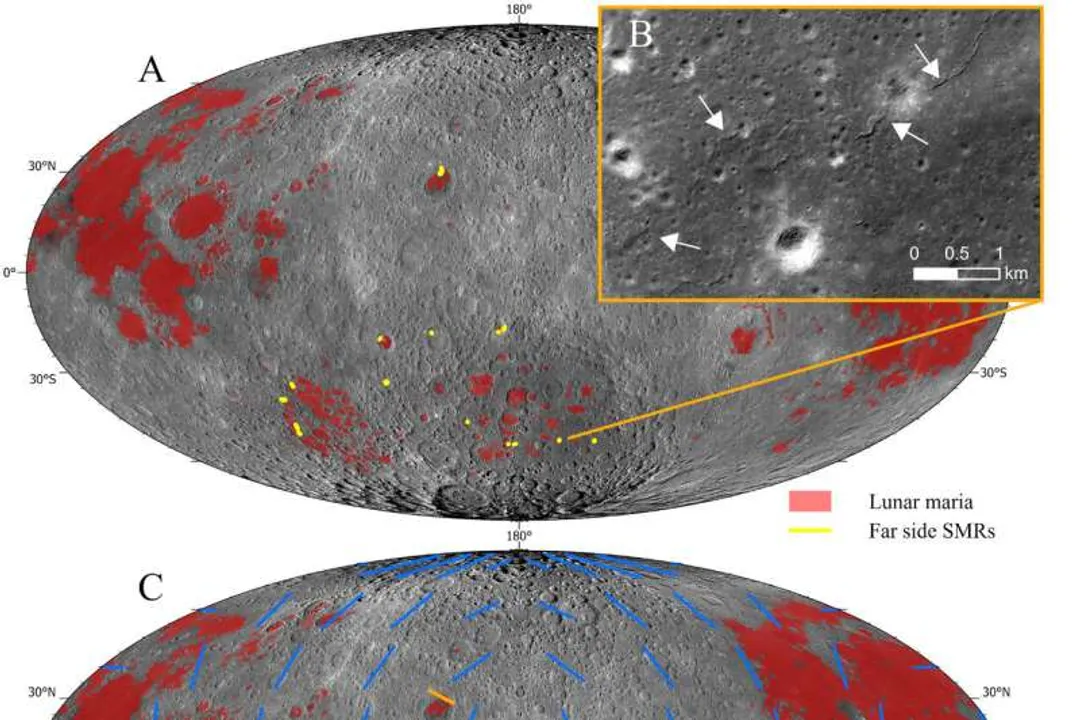
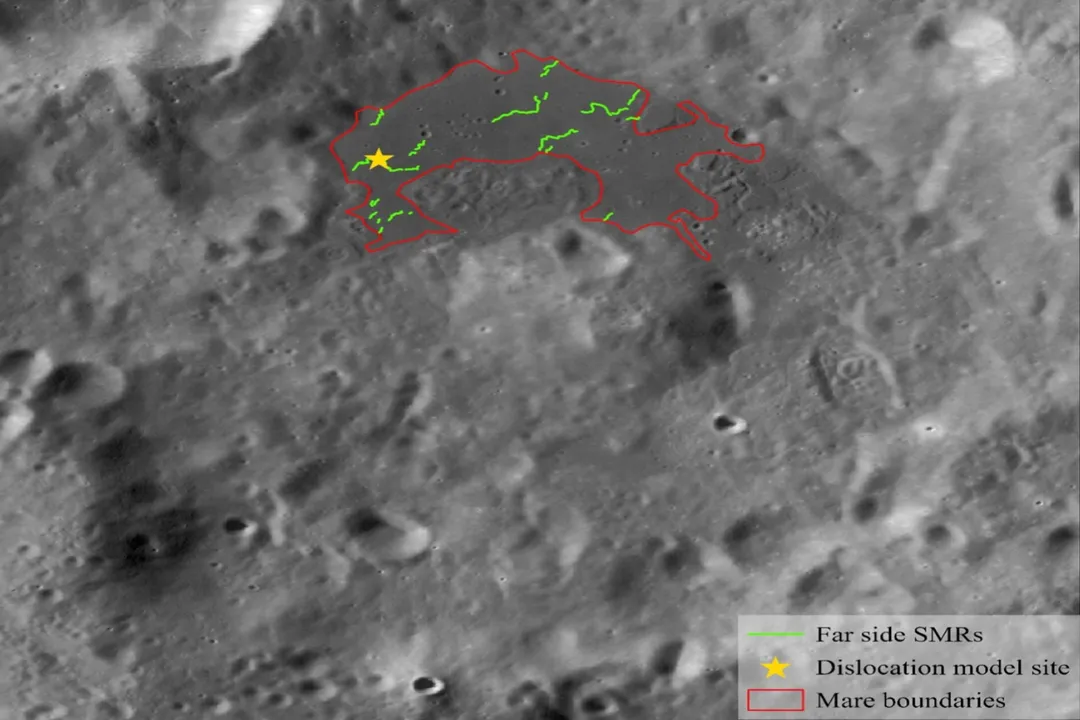
One of the most telling surface indicators of past or present tectonic stress on the Moon is the presence of wrinkle ridges. These features are found predominantly within the maria, the dark, smooth plains that cover about 17% of the lunar surface. The maria are vast plains of solidified basaltic lava that welled up from the Moon's interior billions of years ago. As the interior cooled and contracted, the crust overlying these ancient lava seas buckled, creating these distinctive ridges. The sharpness or degradation of these ridges offers a clue to their age; a crisp, well-defined ridge implies a more recent formation than one that has been softened by micrometeorite bombardment over eons.
# Volcanic Evidence
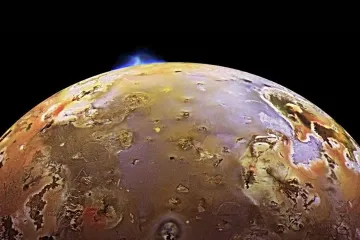
Geologic activity often implies volcanism, even if it’s not the fiery spectacle seen on Io, which is subject to extreme tidal heating. The Moon's volcanism was driven by residual heat in its interior, allowing magma—molten rock composed primarily of silicates—to rise through fractures in the crust. Observing features like sinuous rilles (collapsed lava tubes) or fresh, dark lava flows that contrast sharply with older, brighter highland material can signal that volcanic processes continued long after the main era of lunar bombardment ended. On airless bodies, the lack of atmosphere and liquid water means that any feature related to the escape of internal volatiles—like gas plumes—would be incredibly short-lived, making imaging critical for capture.
# Timing Activity
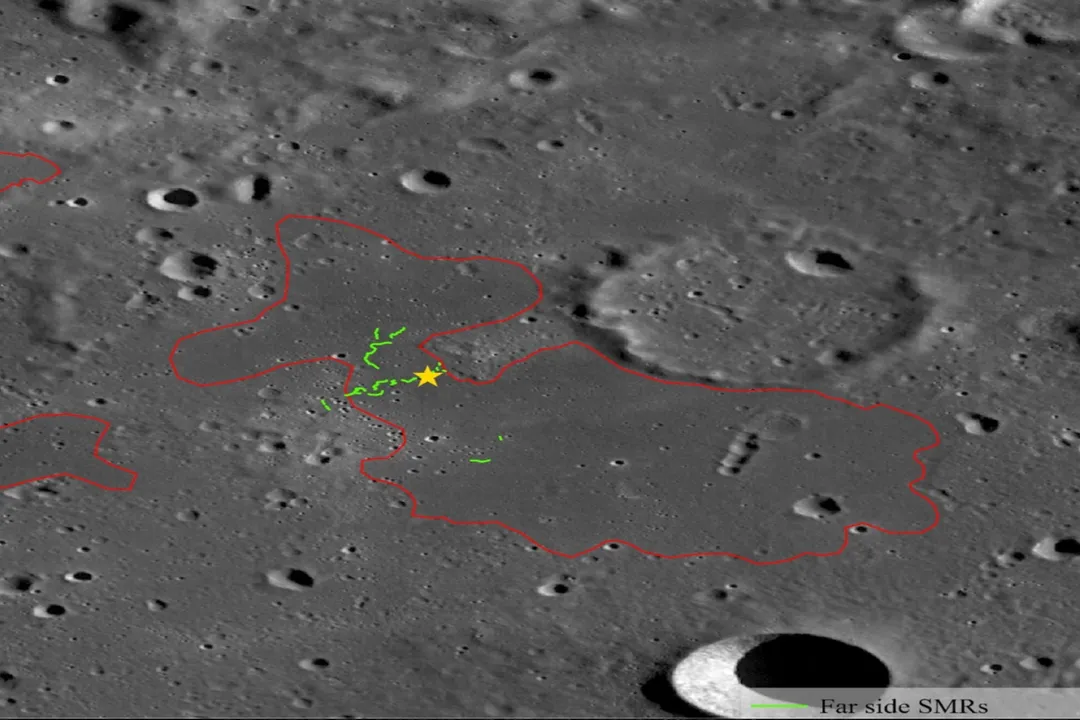
Knowing how to spot activity is one thing; knowing when it happened is another, and this is where the story of the Moon has undergone a major revision. For decades, scientists believed that after the early period of heavy bombardment ended around 3.8 billion years ago, the Moon’s internal engine mostly sputtered out.
# A Late Bloom
New analysis of lunar seismic data suggests that the Moon may have retained enough internal heat to sustain thermal contraction and seismic activity much more recently. Studies focusing on the shallow moonquakes indicate that some of the faulting that created those features may have occurred as recently as one billion years ago, challenging the older view that the Moon went completely quiet around 3 billion years ago. Some interpretations even push the potential for minor, sporadic activity into the hundreds of millions of years range. This means the Moon has been geologically restless over a timescale relevant to the evolution of life on Earth, a fascinating coincidence.
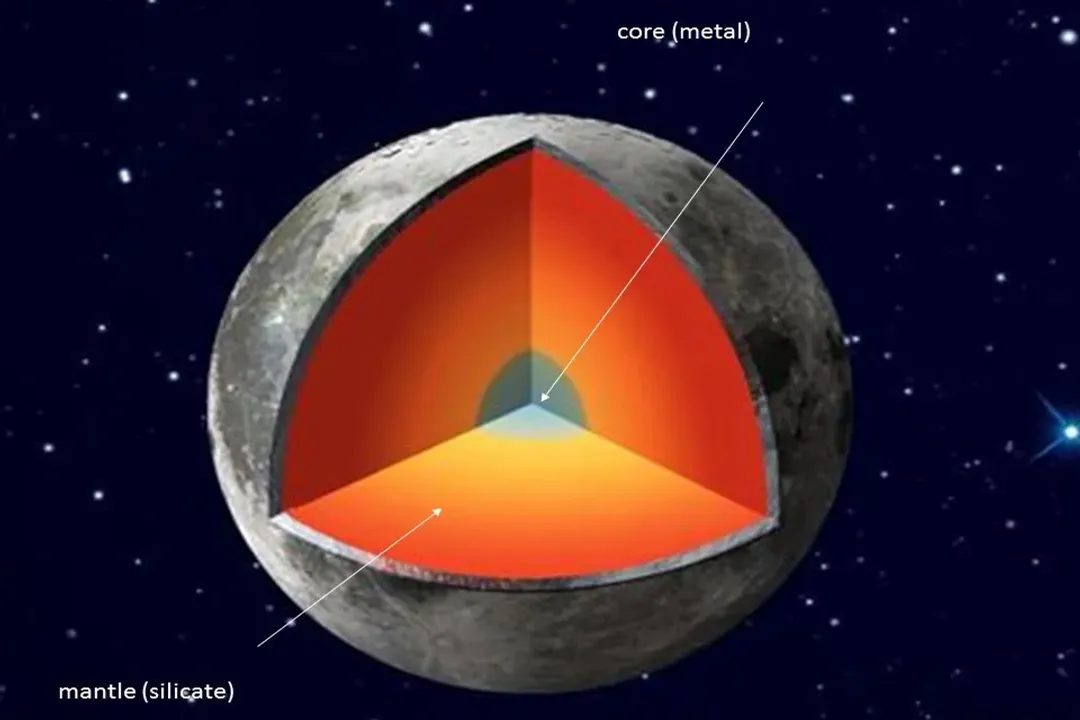
When assessing any satellite for modern activity, the key comparison is the energy budget. Is the moon likely to have retained enough heat from its formation, perhaps supplemented by radioactive decay within its silicate mantle, to still cause movement? Io is overwhelmingly dominated by tidal flexing; the Moon is dominated by residual cooling contraction, though tidal forces play a constant supporting role.
# Methodologies of Detection
For planetary scientists investigating a distant moon, the assessment process must rely on remote sensing and available data, mimicking the work done on our own satellite.
# Seismic Networks
The gold standard remains the deployment of seismometers, as demonstrated by the Apollo missions. A successful network requires multiple sensors placed across the body to triangulate the origin of a quake and determine its depth. While impossible for many existing moons, this is the primary goal for crewed or long-term robotic exploration of bodies like Mars’s moons or even Europa.
# Orbital Surveys
In the absence of seismometers, high-resolution orbital imagery becomes invaluable. Missions like NASA's Lunar Reconnaissance Orbiter (LRO) provide the necessary sharp views to identify subtle tectonic features. If LRO’s sharp imagery can resolve the subtle edges of a thrust fault on the Moon, a similar high-resolution imager around an exomoon orbiting a gas giant could potentially spot similarly fresh fault scarps or lava flows against the background terrain. The comparison between older, heavily cratered terrain and younger, smoother plains marked by distinct features is a powerful technique for relative dating of activity.
# Thermal Monitoring
Detecting current heat flow is another method. Active volcanism results in localized hot spots that can be detected, especially on cold, airless bodies where heat escapes directly through the surface rather than being trapped beneath an atmosphere. Infrared measurements, which detect thermal signatures, are vital tools for identifying areas where magma might still be near the surface or where recent faulting has exposed warmer interior rock.
A useful framework for evaluating an unknown moon's activity level might involve weighting observable characteristics. For instance, a moon orbiting a massive planet far from its star might have very little internal heat left due to its small size, making it likely dormant. However, if that same moon is locked in a tight orbit, it might experience significant tidal flexing, causing frequent, shallow moonquakes detectable via subtle surface deformation, even if it has no active volcanoes. Therefore, the energy source—whether internal cooling, radioactive decay, or external tidal forces—dictates the type and longevity of the activity we seek. If we were to find an exomoon orbiting a gas giant like Jupiter, the intensity of the tidal stresses exerted by the giant planet would be the primary factor determining its potential for sustained, even modern, seismic activity, perhaps resulting in a moon far more dynamic than our own, but without the aid of massive internal heat reserves. The longevity of the Moon's geological activity, persisting for billions of years past its expected "death," demonstrates that residual heat and subtle external forcing can keep a small world feeling tremors far longer than we once believed possible.
Related Questions
#Citations
Is the Moon Geologically Active? | NASA Planetary Sciences
Is the moon still geologically active? Evidence says it's possible
Geology of the Moon - Wikipedia
Is the moon geologically dead? Maybe not, says new evidence
Interior and Geological Activity
Moon Composition - NASA Science
Are moons geologically active? - Astronomy Stack Exchange
Our Moon Was Geologically Active Just a 'Hot Minute' Ago, Study ...
Moon is not as 'geologically dead' as previously thought, new study ...