Why are some moons geologically active?
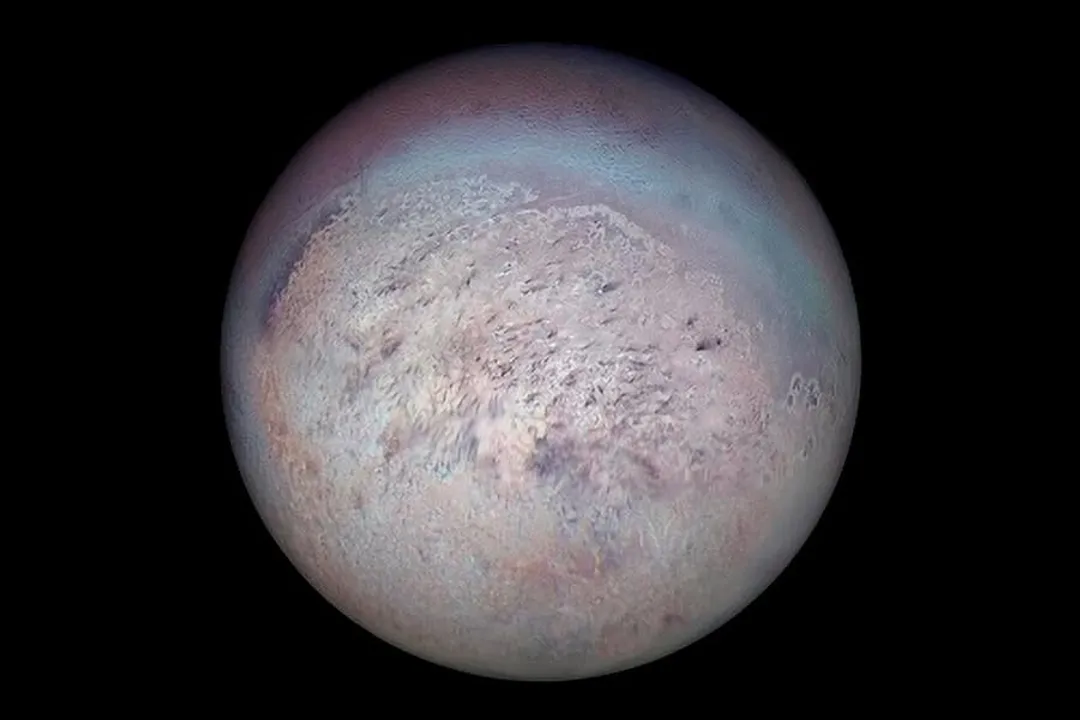
The question of why some moons remain geologically vibrant while others are frozen, cratered relics is one of the most compelling puzzles in planetary science. A quick survey of our own Solar System reveals a dramatic dichotomy: worlds like Jupiter’s Io explode with constant, sulfurous volcanism, while its neighbor, Callisto, appears mostly inert, a static canvas scarred by impacts over eons. [1] This difference hinges almost entirely on internal energy sources, with gravitational kneading being the chief mechanism for generating heat in these distant worlds. [5]
# Tidal Heating Engine
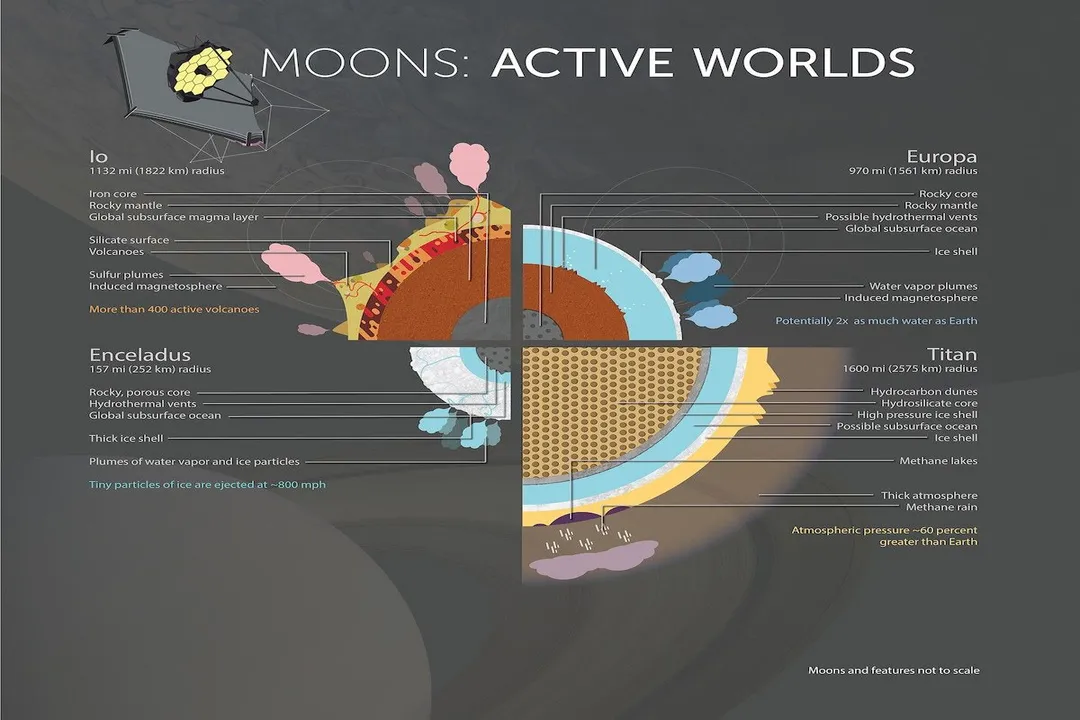
The most potent cause for sustained geological activity far from the Sun is tidal heating. [5][8] This phenomenon occurs when a moon orbits closely within the powerful gravitational influence of a massive parent planet, like Jupiter or Saturn, often while simultaneously being pulled and stretched by other nearby moons in a resonant dance. [5]
For a moon like Io, this gravitational tug-of-war is extreme. [5] Jupiter’s immense gravity stretches the moon inward and outward continually as it orbits. This constant deformation generates massive amounts of friction deep within Io’s interior. That friction translates directly into heat, enough to melt rock and sustain the most volcanically active body known in the Solar System. [5][8] Io’s activity is so fierce that its entire surface is resurfaced in a matter of millions of years, meaning virtually none of the craters from early impacts remain visible. [5]
The mechanics are similar but less violent for other active moons. Europa and Saturn’s moon Enceladus both harbor vast subsurface liquid water oceans, which requires sustained internal energy to prevent them from freezing solid. [8] In Europa’s case, the tidal flexing from Jupiter, combined with gravitational influences from Ganymede and Callisto, is believed to be the primary source of heat maintaining that liquid layer. [5][7] Enceladus, orbiting Saturn, also exhibits geological vitality, evidenced by massive plumes erupting from its south polar region. [8] While Enceladus is farther out than the Galilean moons, it experiences significant tidal flexing from Saturn, and interactions with other moons like Dione might contribute to the necessary energetic kneading. [7]
# Gravitational Resonance
The pattern of interaction dictates the level of heat. Tidal heating is maximized when moons are locked in orbital resonances, meaning their orbital periods are related by small integer ratios (e.g., 1:2:4). [5] This synchronization ensures that the point of maximum tidal stress aligns repeatedly, creating an ongoing, predictable heating cycle. Without this consistent pattern, the flexing would likely be insufficient to maintain current activity levels, which explains why some moons in a system might be active while others further out are not. [7]
# Cold Worlds Contrast
To truly appreciate active worlds, we must look at their quiet cousins. The outer Galilean moon Callisto is a prime example of a geologically inactive world. [1] It resides much farther from Jupiter than Io or Europa, where the tidal forces rapidly diminish with distance cubed. [1] Consequently, Callisto lacks the necessary internal frictional heat to drive widespread current volcanism or melt large amounts of interior ice. [1]
This distance presents an interesting comparison point when considering subsurface water. While Europa and Enceladus require active tidal heating to keep their oceans liquid now, models suggest Callisto might possess a subsurface ocean kept liquid purely by the insulating effect of its thick icy mantle and perhaps the influence of dissolved salts or extreme pressure, rather than active current heating. [1][7] This leads to an important distinction: the presence of liquid water doesn't automatically imply current geological activity like cryovolcanism or surface cracking; it can also be a remnant state maintained passively. [7]
# Lunar History
Even our own Moon offers a lesson in cooling. Earth’s Moon underwent a period of intense internal activity early in its history, characterized by widespread volcanism that resurfaced large basins, forming the dark maria we see today. [2] However, this heat dissipated over billions of years, leaving the Moon essentially geologically dead on a planetary scale now. [2]
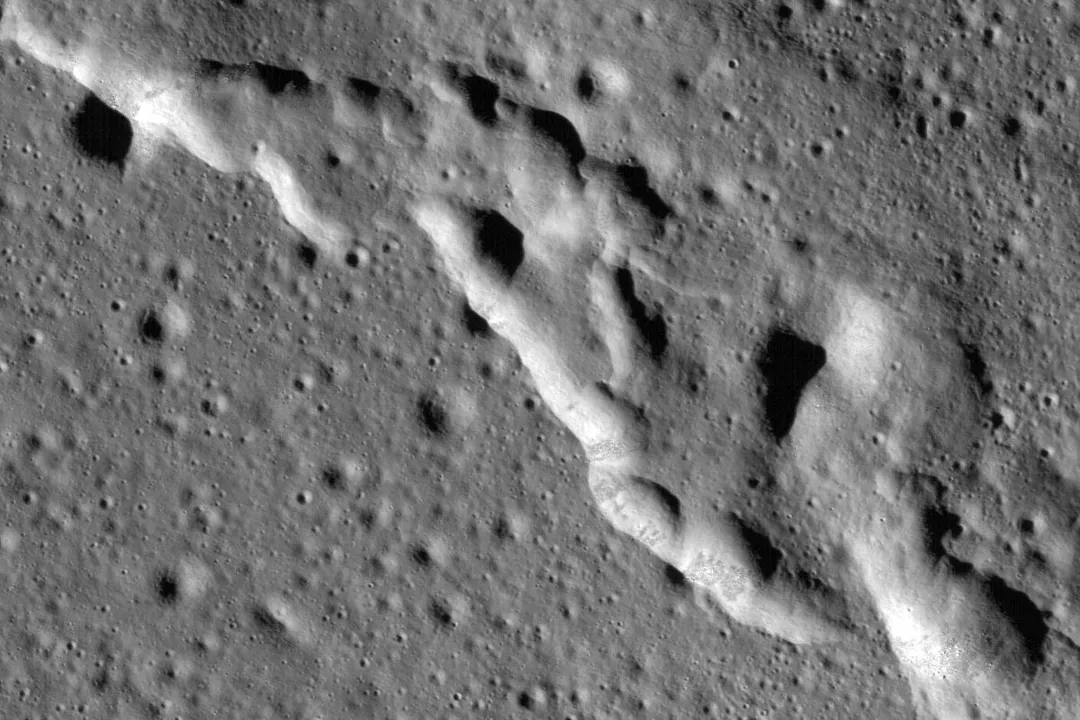
If we map the surface activity of Earth’s Moon, we see evidence of processes that are far slower than Io’s eruptions. Features like lobate scarps—small cliffs indicating the crust compressed as the Moon cooled and shrank—suggest some minor tectonic readjustment may have occurred relatively recently, perhaps within the last few hundred million years. [4] This subtle shifting, driven by residual cooling and minor tidal stresses from Earth, represents the very faint geological heartbeat of a once-active body. [4] It illustrates that "geologically dead" often means a cessation of major events, not necessarily a complete halt to all mechanical change across eons.
# Energy Sources Comparison
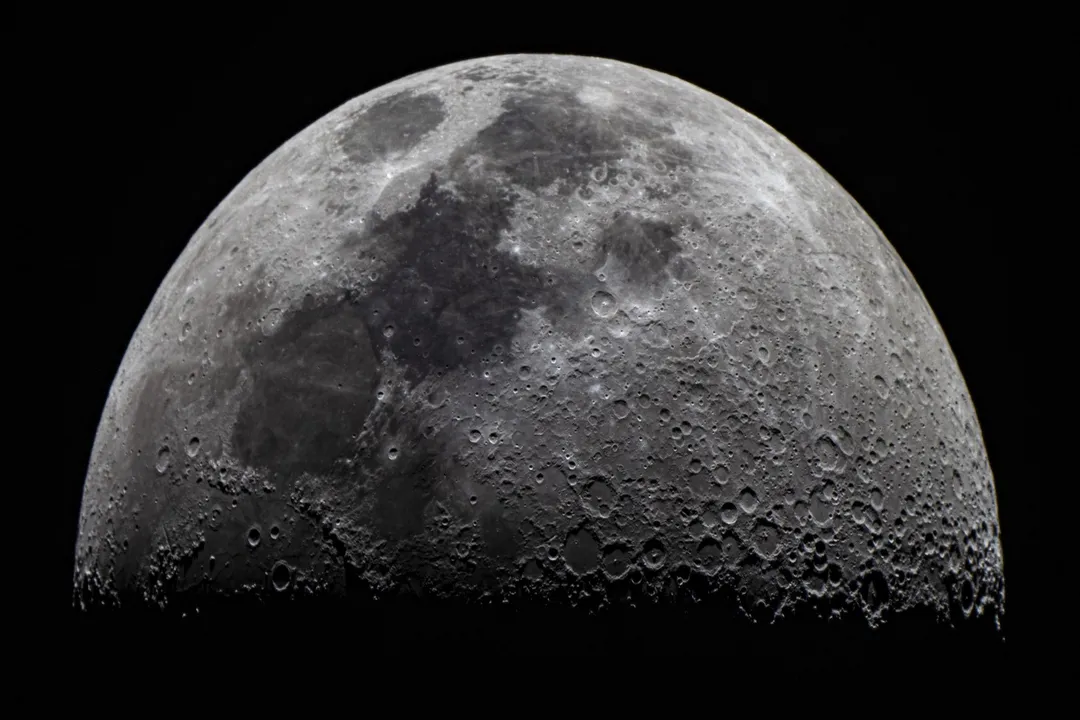
It is fascinating to compare the relative energy budgets driving activity across these systems. If we consider the energy flux required to power major surface changes, the difference is staggering. Io's heat output is orders of magnitude greater than what is needed to simply maintain a liquid layer under ice, like on Europa. [5]
| Moon | Primary Activity Driver | Current Activity Level | Surface Appearance |
|---|---|---|---|
| Io | Intense, direct tidal flexing from Jupiter/neighbors | Extreme (Constant Volcanism) [5] | Young, constantly changing [5] |
| Europa | Significant tidal flexing from Jupiter/neighbors | High (Ocean movement, resurfacing) [8] | Young/Intermediate (Cracked ice) [8] |
| Enceladus | Tidal flexing from Saturn/neighbors | Moderate (Plume ejection) [7][8] | Intermediate (Icy, fractured) [7] |
| Callisto | None (Far from Jupiter) | Negligible/None [1] | Old (Heavily cratered) [1] |
| Earth's Moon | Residual cooling stress, minor Earth tides | Very Low (Rare landslides/faulting) [4] | Ancient (Heavily cratered, maria) [2] |
When analyzing these, one can see that the proximity to the main gravitational source is often more critical than the moon’s size in determining its current internal temperature profile. [1][5] A smaller moon closer to the gravitational anchor receives a disproportionately greater tidal stress than a much larger moon situated farther away.
# Resurfacing Mechanisms
Geological activity isn't just about visible fire; it’s about changes to the crust. For icy moons, activity manifests as the disruption of the surface ice shell, whether through massive liquid water plumes like those on Enceladus, [8] or through patterns of cracks and chaos terrain seen on Europa. [8] For rocky bodies like Io, it is direct molten rock ejection. [5]
However, geological modification can occur even without active melting. For bodies like the Moon, the processes involve slow crustal relaxation and tectonic strain release. [4] If we were to track the rate of these small fault movements on the Moon, a fascinating metric emerges: the time required for a one-meter vertical displacement due to thermal contraction. While the sources don't provide the exact calculation, we can deduce that if Earth's Moon is still exhibiting these scarps, its cooling timescale is measured not in hundreds of millions of years, but potentially in billions of years for the bulk interior to stabilize completely, even if the surface expression is rare. [4] This slow, residual adjustment is a key characteristic distinguishing an ancient world from a currently molten one.
Ultimately, the geological state of a moon is a dynamic balance: the rate at which internal heat is generated (usually tidal flexing) versus the rate at which that heat escapes to space. When generation outpaces escape, you get Io; when escape far outstrips generation, you get Callisto. [1][5] When the generation slows down but still provides enough energy to maintain a phase boundary—like keeping water liquid beneath ice—you get the intriguing chemistry of Europa and Enceladus. [8]
Related Questions
#Citations
Why is Jupiter's moon Callisto geologically dead, when smaller icy ...
Geology of the Moon - Wikipedia
Astronomy Ch 11 Flashcards - Quizlet
Is the moon still geologically active? Evidence says it's possible
What causes the geological activity seen on some of the inner ...
Why are some planets and moons more geologically active than ...
Why is Enceladus the only geologically active moon among its ...
Moons: Active Worlds - NASA Science
Moons in solar system still geologically active - Facebook