What is the approximate recent timeframe suggested by new analysis for when some lunar faulting occurred?
As recently as one billion years ago.
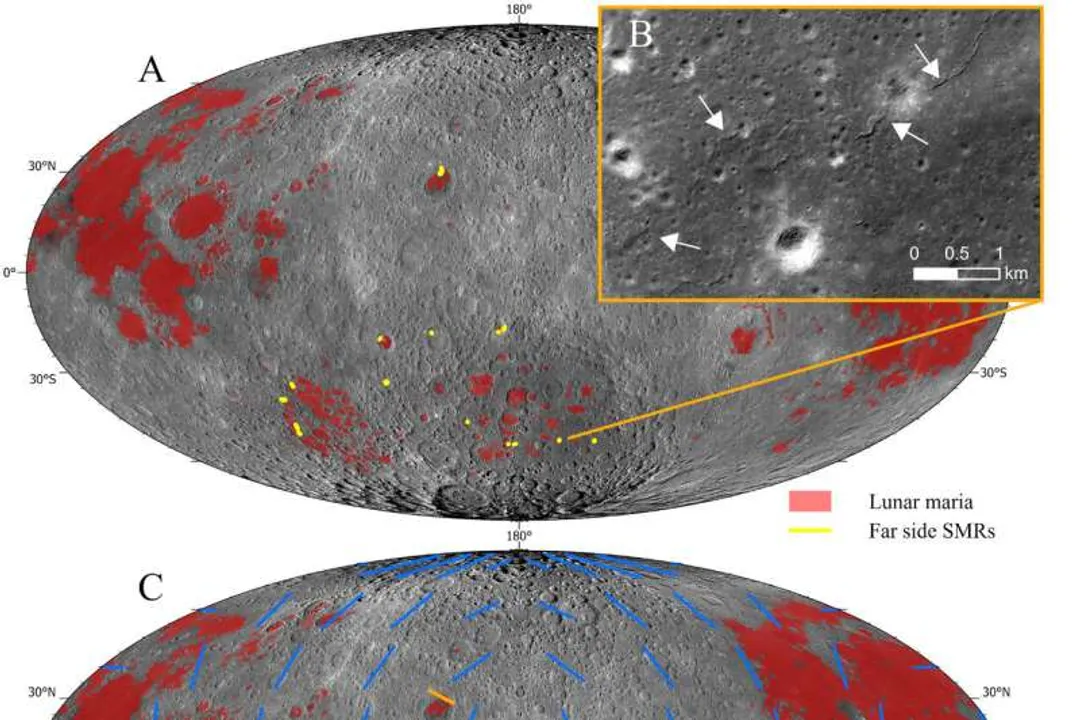
Recent analysis of seismic data has significantly revised previous understandings of lunar geological inactivity. Scientists previously thought the Moon effectively died out geologically around 3 billion years after its formation when the heavy bombardment ended. However, studies focusing on the mechanics behind shallow moonquakes—driven by thermal contraction—suggest that the Moon retained enough internal heat to sustain significant seismic activity much more recently. Specifically, some faulting events responsible for these features may have occurred as recently as one billion years ago, which places the Moon’s tectonic history into a timescale much closer to the evolution of life on Earth than previously hypothesized.