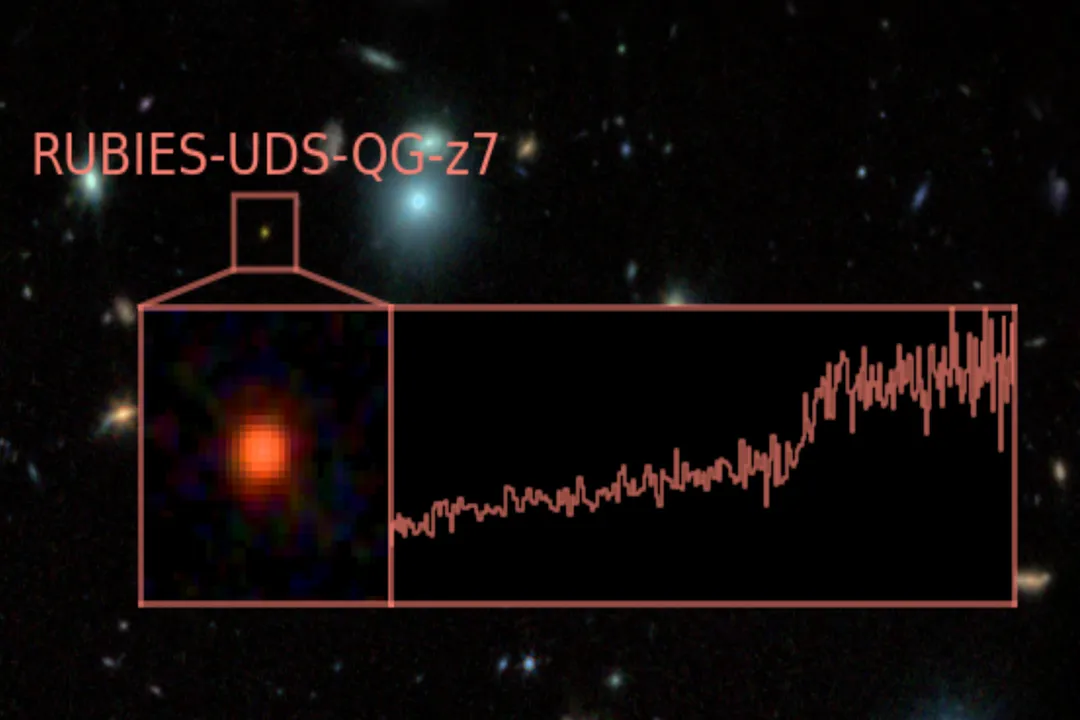
Why do observations of massive dead galaxies existing very early in the universe complicate traditional cosmological models?
Answer
Models predicted star formation should continue much longer in massive galaxies
Traditional models anticipated that the gas needed for stellar birth would persist longer, allowing star formation in massive galaxies to continue for billions of years after the Big Bang.
Related Questions
What characteristic defines a galaxy labeled as "dead" by astronomers?What is the common observational description used for a galaxy that has ceased forming new stars?What causes an actively star-forming galaxy to shine with a brilliant blue light?Why do observations of massive dead galaxies existing very early in the universe complicate traditional cosmological models?Which astronomical instrument has been crucial in uncovering these ancient, early-universe dead galaxies?What essential raw material for star formation has a dead galaxy either used up or been prevented from acquiring?What internal process involving a black hole can actively quench star formation in a galaxy?What does the rapid loss of a galaxy's blue hue signify regarding its stellar population?What paradoxical conclusion arises from finding dead, massive galaxies only a few billion years after the Big Bang?What evolutionary path describes galaxies, like our Milky Way, that contrasts with the early shutting down of star formation?What does the observation that early dead galaxies were already red suggest about the timing of their quenching?