Are there any dead galaxies?
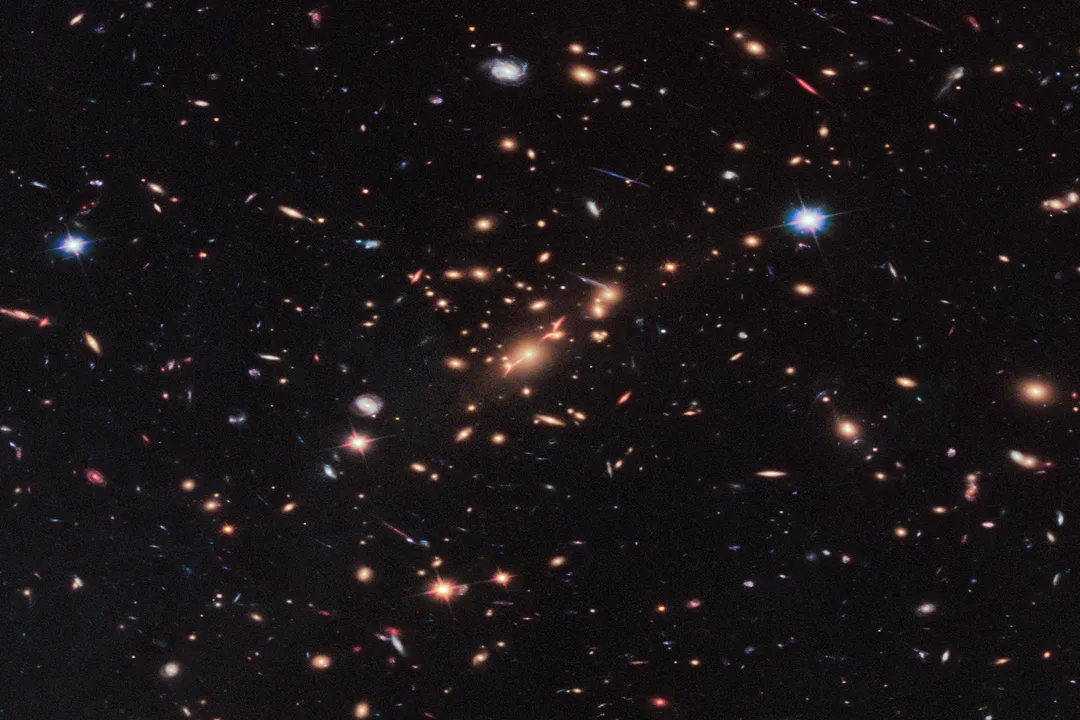
The universe is filled with magnificent, churning cosmic factories—galaxies actively forming billions of new stars—but astronomers have found clear evidence that many other galaxies have switched off this process entirely, leading to the question of whether a galaxy can, in fact, "die." The answer, based on recent observations, is a definite yes. These "dead" systems, sometimes referred to in technical terms as quenched galaxies, are not necessarily gone, but they have ceased the vigorous production of new stars, becoming cold, dark remnants of their former selves.
The term "dead" can be slightly misleading if taken too literally, as the galaxy structure itself remains, but its life-giving engine—star formation—has sputtered out. A related concept is the "dead disk," which refers to a galactic structure where the processes necessary for sustained star birth have halted, leaving behind a system that is largely composed of older, established stars. Understanding when and why these massive celestial bodies quit making stars has become one of the most pressing subjects in modern astrophysics, especially since new instruments are revealing these events happened far sooner in cosmic history than theoretical models predicted.
# Quenching Defined

The transition from a vibrant, blue, star-forming galaxy to a quiescent, or "red and dead," galaxy is known in astrophysics as quenching. Star formation requires vast reservoirs of cold gas, which collapses under gravity to ignite nuclear fusion in new stars. When this supply is exhausted, used up, or somehow ejected from the galaxy, the star-forming activity stops. It is not a gradual dimming but often a surprisingly swift shutdown, especially in the most massive systems.
Hubble observations have previously cataloged massive galaxies that were already running on empty, meaning they had stopped forming stars. However, the capability of newer telescopes has pushed the boundaries of this timeline significantly backward. To put the age of these systems into perspective, consider this conceptual comparison based on the data emerging from deep-field surveys:
| Galaxy Type | Primary Feature | Star Formation Rate | Age of Observed Samples |
|---|---|---|---|
| Star-Forming Galaxy | Abundant Cold Gas | High | Varies, often younger in early universe context |
| Dead Galaxy (Quenched) | Little to No Cold Gas | Near Zero | Observed as old as ~800 million years post-Big Bang |
The existence of these galaxies challenges older ideas about cosmic evolution, which generally assumed that large galaxies needed a substantial amount of time in the early universe to build up their mass before they could quench. The newest discoveries imply that in the very early universe, massive galaxies had the necessary fuel and mechanisms to mature, consume that fuel, and cease star production at an astonishing rate.
# Early Deaths
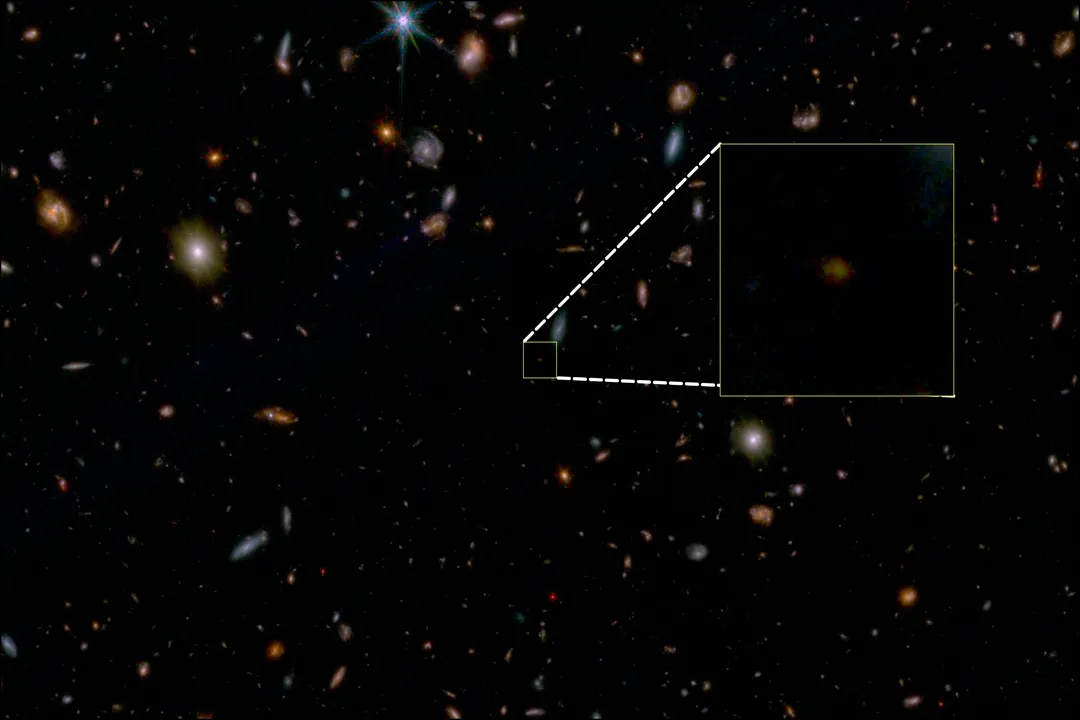
The most compelling recent data point regarding dead galaxies comes from observations made by the James Webb Space Telescope (JWST). This telescope has peered back into the cosmic dawn, revealing galaxies that achieved massive size and then went dark surprisingly early in the universe's 13.8-billion-year history.
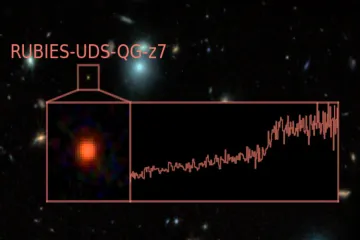
One specific record-breaking discovery involved a galaxy that astronomers determined had "lived fast and died young". This galaxy was already remarkably massive when the universe was only about 700 to 800 million years old, and it had already stopped forming stars by that time. This finding directly contradicts previous models that suggested such large-scale quenching mechanisms would take longer to affect galaxies in the infant cosmos. The sheer scale of these early, massive, quenched systems suggests that the processes governing galactic growth and demise were far more efficient or violent in the universe’s first billion years than previously accounted for.
These early "red and dead" galaxies highlight a significant gap in our understanding of early structure formation. Did they rapidly consume all their available gas supply through intense, rapid starbursts before the supply ran dry? Or were there powerful feedback mechanisms—perhaps jets from supermassive black holes—that heated or expelled the necessary gas before it could form stars? The evidence points toward an accelerated evolutionary pace.
# Flavors Unknown
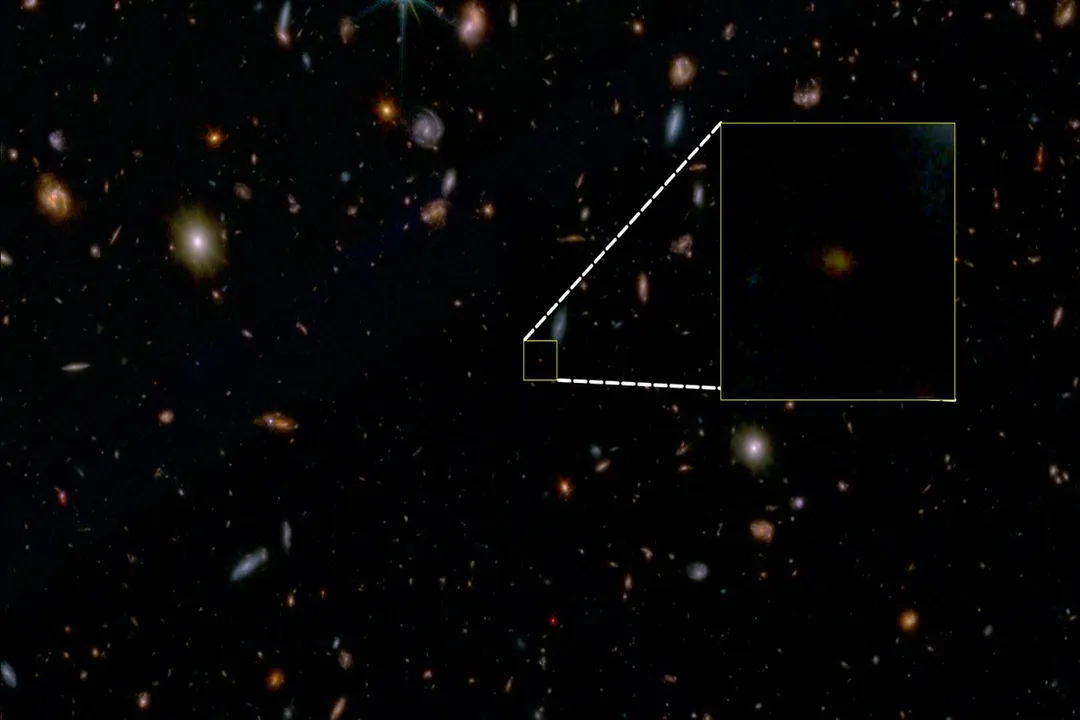
While the classic definition of a dead galaxy involves a lack of cold gas, the process of quenching is proving to be more nuanced than a simple on/off switch. Astronomers are starting to investigate the "unexplored flavors of dead galaxies," suggesting that the mechanisms leading to dormancy might vary significantly from one system to the next.
For instance, one type of dead galaxy might be truly starved, having simply used up all its fuel supply over eons of intense star formation. Another might be artificially quenched, where external forces—like violent gravitational interactions with neighboring galaxies or superheated gas flowing from the surrounding cosmic web—prevent cold gas from accumulating, even if some gas remains. A galaxy whose disk has turned into a "dead disk" might fall into the category of being starved, while one experiencing intense feedback might be artificially suppressed. Distinguishing between these states is critical for truly understanding galactic evolution, as the long-term fate and subsequent interactions of these galaxies differ based on why they died. The current observational techniques, especially those relying on light from the early universe, excel at identifying the result (no new stars) but often struggle to differentiate the precise cause.
# Webb Power
The ability to confidently declare these ancient systems as "dead" rests squarely on the shoulders of powerful, modern instruments, primarily the James Webb Space Telescope (JWST). The light we receive from the universe’s earliest galaxies has traveled for over 13 billion years, meaning we see them as they were shortly after the Big Bang. JWST’s infrared capabilities allow it to penetrate the dust and gas clouds that might obscure older observations, providing clear spectral data on the stellar populations within these distant objects.
When astronomers analyze the light from these distant galaxies, they look for the telltale signature of ongoing star formation—the distinct blue light emitted by young, hot, massive stars. In the case of these record-breaking ancient galaxies, that blue light signature is conspicuously absent or extremely weak, confirming their status as quenched systems despite their relative youth in cosmic time. Hubble laid the groundwork by finding massive quiescent galaxies, but Webb has taken the significant leap of finding them hundreds of millions of years earlier than expected. This observational breakthrough is forcing a fundamental rewrite of the cosmic timeline for galaxy assembly. When we look at the data, the precision of these new observations is so high that distinguishing between a galaxy that has just stopped forming stars and one that stopped billions of years ago becomes a key analytical challenge, demanding models that account for rapid evolutionary jumps.
Related Questions
#Citations
Dead disk - Wikipedia
r/space on Reddit: Galaxies die earlier than expected - red and dead ...
Hubble Finds Early, Massive Galaxies Running on Empty
Astronomers spot oldest 'dead' galaxy yet observed - Phys.org
Astronomers spot oldest 'dead' galaxy yet observed
The oldest 'dead' galaxy ever observed - YouTube
Record-breaking 'dead' galaxy discovered by JWST lived fast and ...
The Unexplored Flavors of Dead Galaxies : Department of Astronomy
Webb space telescope spots oldest 'dead' galaxy - CNN