Can a supernova be brighter than a galaxy?
That a single stellar explosion can momentarily outshine an entire galaxy containing hundreds of billions of stars might sound like science fiction, but it is a confirmed reality observed across the cosmos. The phenomenon hinges on understanding the vast difference between the steady, cumulative light of a galaxy and the catastrophic, temporary burst of energy released when a star dies violently. [1]
# Stellar Explosions
A supernova marks the dramatic end of a star's life, a process that liberates an astonishing amount of energy in a very short period. [4] While every star, including our own Sun, will eventually meet an end, only the most massive stars—or those undergoing specific types of thermonuclear detonation—result in these spectacular events. [4] For context, the Milky Way galaxy, our home, is home to between 100 and 400 billion stars, all contributing to its collective luminosity. [1]
When comparing the typical life output of a galaxy to the fleeting peak of a supernova, the sheer power of the explosion becomes apparent. Even a relatively standard core-collapse supernova releases an energy equivalent to what the Sun will produce over its entire ten-billion-year lifetime, all compressed into a few weeks or months. [4][9] This energy release involves mechanisms far exceeding standard stellar fusion, often involving the complete gravitational collapse of a giant stellar core or the runaway fusion of a white dwarf. [4]
# Galaxy Outshining
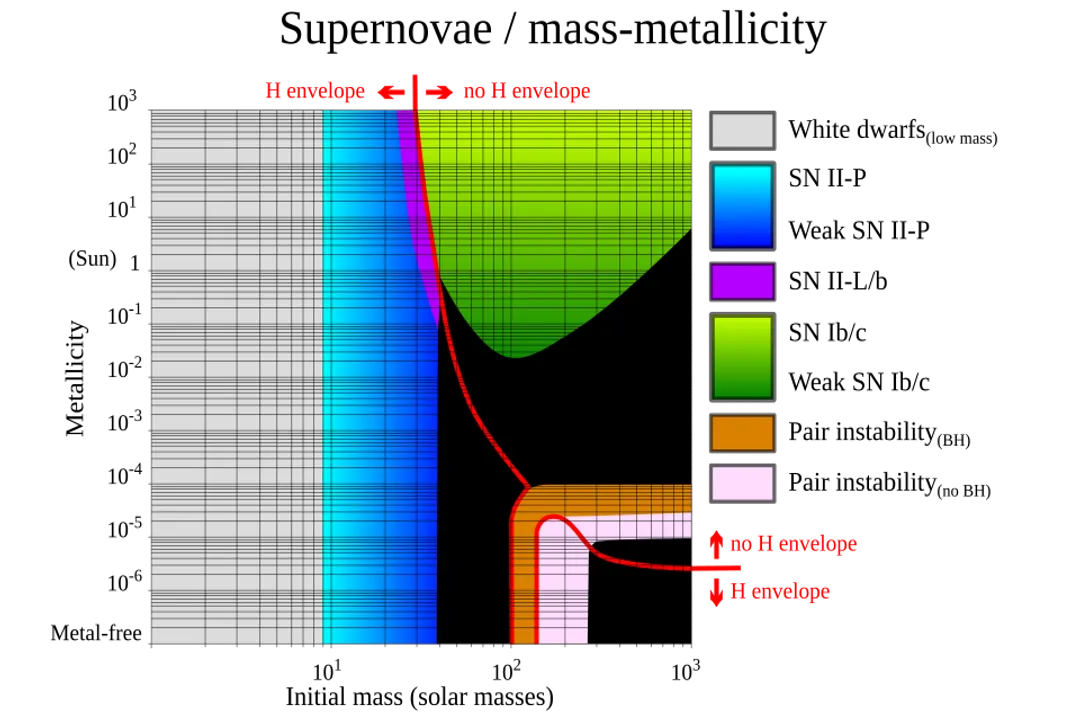
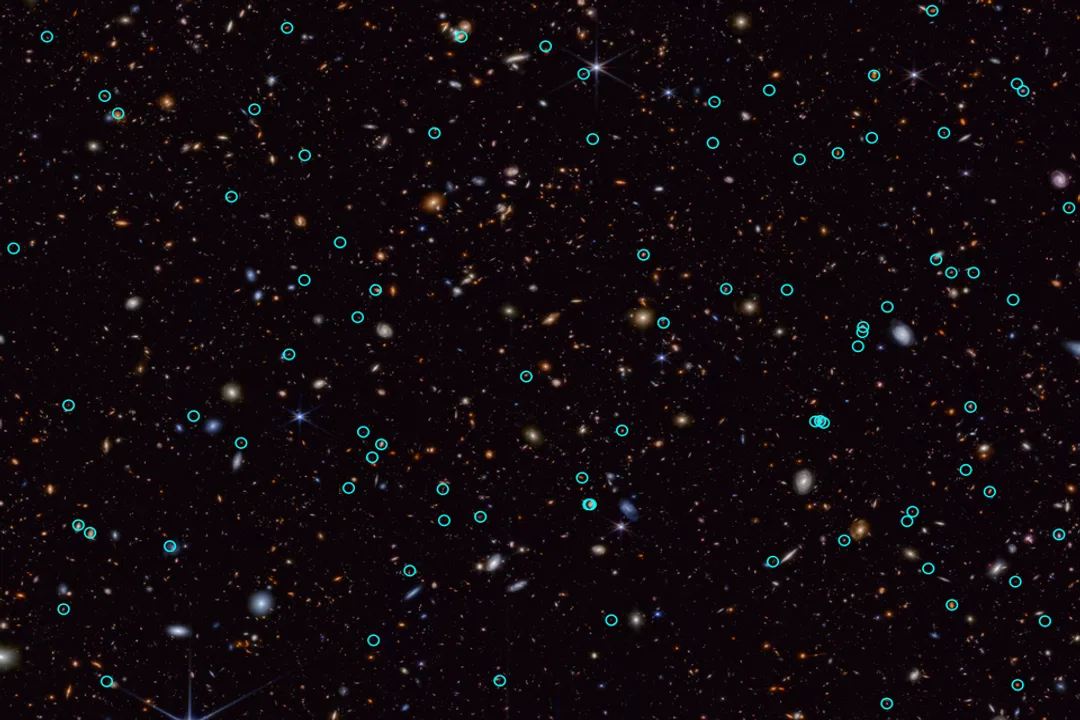
The ability of a supernova to surpass the brightness of its host galaxy is not theoretical; it has been observed in deep-space surveys. Astronomers have detected events where the brightness of a single transient explosion rivals or exceeds the combined light of all the stars in the galaxy in which it resides. [1][2] This feat is reserved for the most energetic class of these explosions, often termed superluminous supernovae (SLSN) or hypernovae. [7]
One particularly famous example, designated ASASSN-15lh, captured significant attention because it was found to be roughly 50 times brighter than the entire Milky Way galaxy when observed at its peak luminosity. [5] Another ancient event, detected when its light had been traveling for ten billion years, was similarly documented as shining brighter than our own entire galaxy. [6] These observations confirm that while galaxies are vast collections of light, the peak power output of the universe's most energetic explosions can temporarily eclipse that vast, integrated glow. [5]
# Extreme Engines
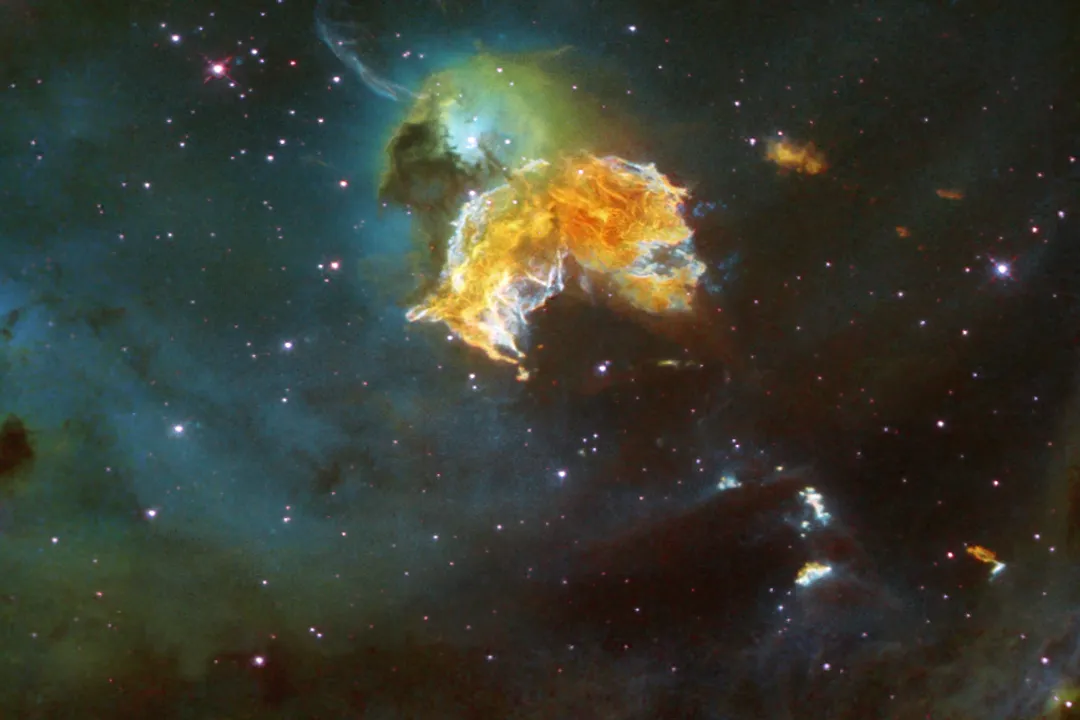
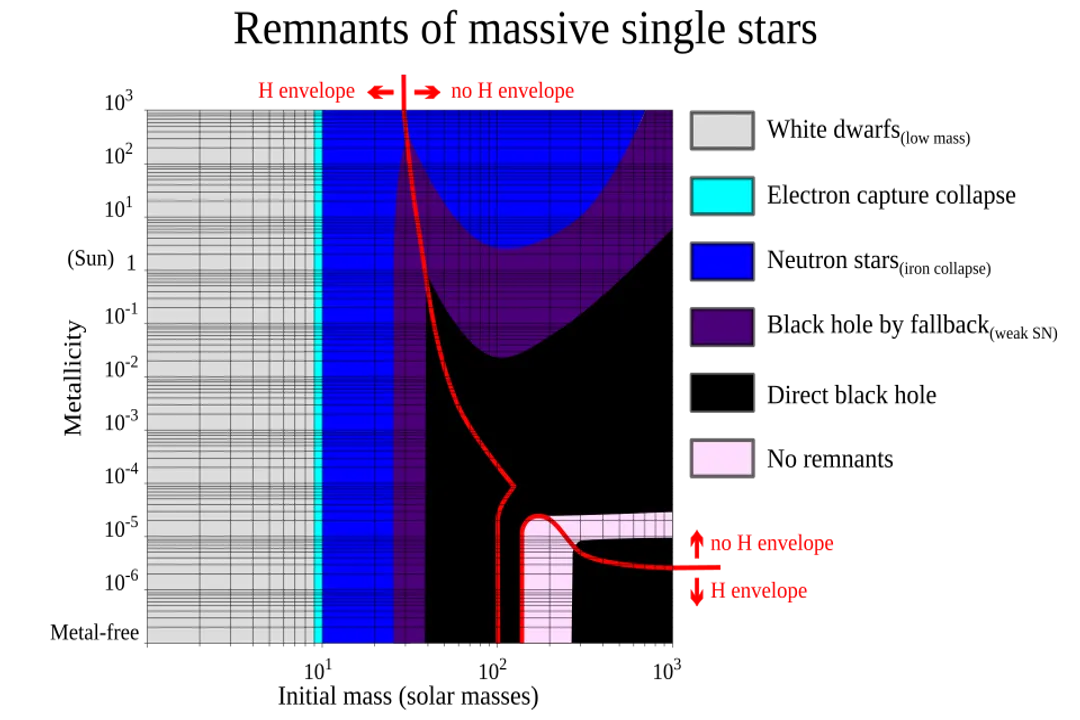
What powers an event that can overshadow billions of stars? The answer lies in the star's initial mass and the subsequent physics of the collapse. A standard core-collapse supernova might release about joules of energy in kinetic energy alone. [7] However, the superluminous events require a much greater energy source than simple shock breakout.
The leading theories point toward two primary mechanisms for generating this incredible output:
- Massive Progenitors: The initial star may have been exceptionally massive, perhaps over 100 times the mass of the Sun. Its gravitational collapse forms a compact object, like a black hole or a rapidly spinning neutron star. [9]
- Magnetar Engine: A rapidly spinning, highly magnetized neutron star, known as a magnetar, might form at the core. The intense magnetic field of this newborn object can channel an enormous amount of energy into the surrounding layers of ejected stellar material, powering an extremely bright, long-lasting light curve. [7] This "engine" mechanism injects far more energy into the visible light than the standard shockwave alone would provide. [7]
This difference in energy budget is crucial. A typical supernova is impressive; a superluminous one is literally rewriting the textbooks on stellar death.
# Brightness Comparison
To put these scales into perspective, considering the relative brightness—or luminosity—of celestial objects helps illustrate just how anomalous these extreme supernovae are. The following comparison is generalized based on typical values and the extremes cited in astronomical records:
| Object | Relative Brightness (Luminosity Scale) | Notes |
|---|---|---|
| The Sun | $1$ (Baseline) | Our reference point |
| A Typical Supernova | times the Sun | Briefly outshines its host star cluster |
| The Milky Way Galaxy | times the Sun | Total, steady light output |
| A Superluminous Supernova (SLSN) | to times the Sun | Can be 10 to 100 times brighter than the Milky Way [2][5] |
This table highlights that the most powerful supernovae are not just slightly brighter than the galaxy; they can be an order of magnitude more luminous at their peak. [5] It’s less like turning on a brighter lightbulb and more like introducing a momentary, focused fusion reaction into a cityscape.
# Local Impact
If an event of this magnitude were to happen relatively close by—say, within the Milky Way—the visibility would be profound. While the question of whether such an explosion could completely obscure the Sun from view is complex, depending on the precise measurement of apparent magnitude differences at a given distance, the brightness would certainly be staggering. [3] An extremely luminous supernova occurring within our own galaxy would likely be visible across the entire planet, even during the daytime, for an extended period, potentially outshining planets and all other stars combined. [3] This scenario underscores the immense, concentrated power involved, as even the slightest drop in distance translates to an enormous increase in apparent brightness. [3]
# Common Events
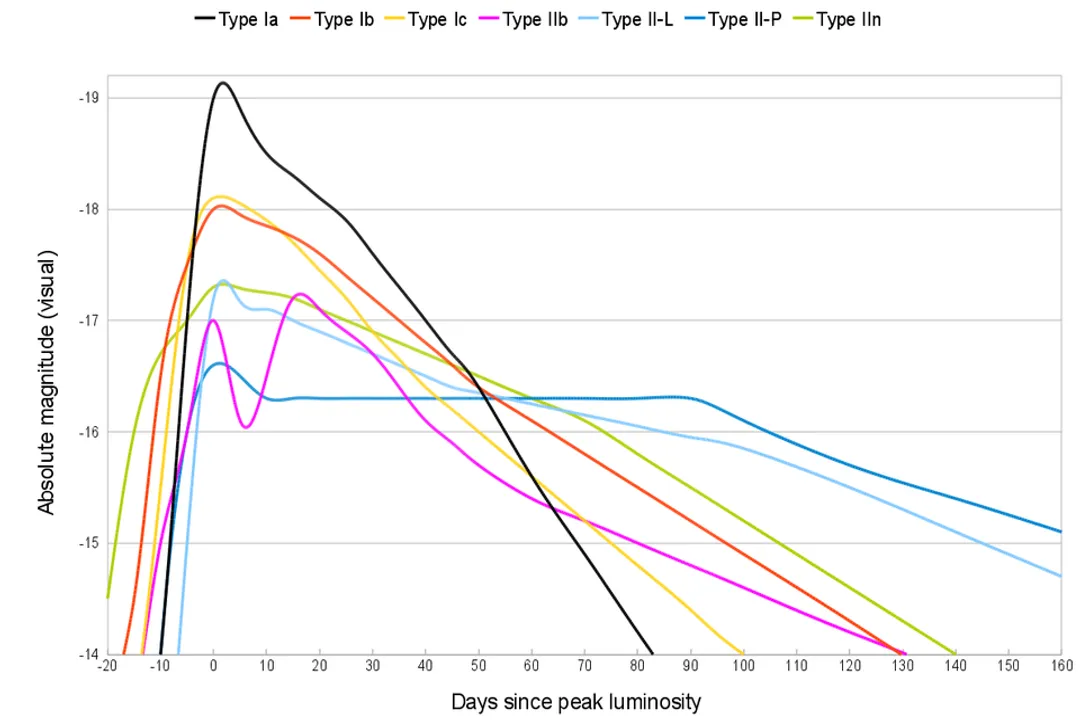
It is important to note that the events capable of outshining entire galaxies are exceptionally rare outliers. The majority of supernovae observed, while still incredibly powerful events, do not reach these hyper-luminous thresholds. [1] Many supernovae—such as the common Type Ia variety, which results from a white dwarf accumulating too much mass—serve as standard candles in cosmology precisely because their peak brightness is relatively consistent, though still vastly fainter than the rare SLSN events. [4] The everyday supernovae we detect across the cosmos are crucial for cosmic element recycling, but they generally contribute only a fraction of the total light of their host spiral or elliptical galaxies. [1]
# Distance Perception
The fact that we can detect a supernova outshining a galaxy millions or even billions of light-years away provides a fascinating insight into the physics of light propagation. An object intrinsically $100$ times brighter than the Milky Way, located 1 billion light-years away, will appear incredibly faint to us due to the inverse square law (). The light has traveled a vast distance, scattering and dimming over time. [3] Yet, astronomers still detect it as the brightest object in its region of space. This means that the intrinsic luminosity of these extreme explosions, the value in that equation, must be monumentally large to overcome the dilution factor imposed by cosmic distances. [5] The detection itself is a testament to the incredible sensitivity of modern telescopes, which can measure the faint photons that have traveled across most of the observable universe.
# Cosmic Flash
The confirmation that a single star’s demise can eclipse the combined output of billions of stars permanently alters our perspective on stellar energy release. These superluminous supernovae serve as powerful cosmic beacons, allowing us to probe the early universe and test theories about the life cycles of the most massive stars. [6] They remind us that even the familiar backdrop of a galaxy is composed of countless sources of light, yet a singular, violent termination can momentarily command the entire stage of the cosmos.
Related Questions
#Citations
Supernovae are said to shine brighter than whole galaxies, but how ...
Astronomers detect a supernova brighter than all the Milky Way's ...
If a supernova is brighter than the whole Galaxy, does it mean if a ...
Supernova - Wikipedia
Universe's most luminous supernova was 50 times brighter than the ...
This 10 Billion-Year-Old Supernova Is Brighter Than Our Entire Galaxy
Found: The Most Powerful Supernova Ever Seen | Scientific American
Most Distant Star Ever Seen: Supernova Explodes 5 Billion Years Ago
What is 10 miles across, but powers an explosion brighter than the ...