Why are Saturn's moons Mimas, Rhea, and Iapetus generally considered less promising habitability candidates than Enceladus?
They lack the strong, sustained tidal heating necessary to maintain a liquid water ocean beneath their shells
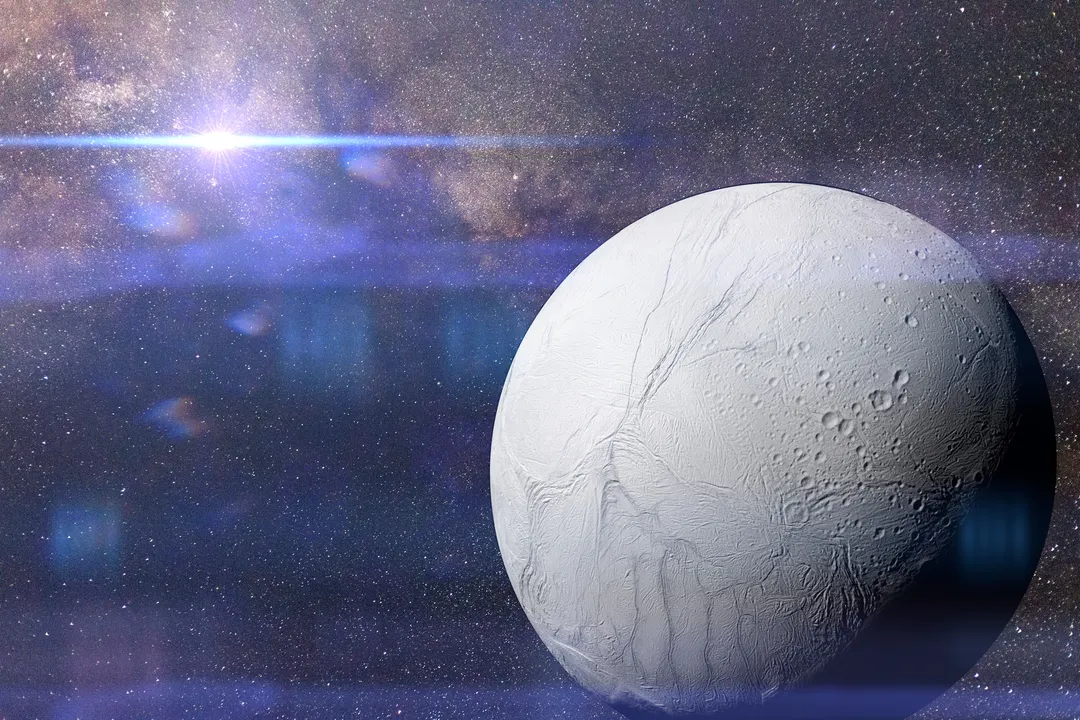
The viability of an ocean world in the outer solar system often depends on a persistent energy source to keep water liquid beneath insulating ice shells, especially far from the Sun. Enceladus benefits from significant internal energy generation, likely through tidal flexing caused by its orbital resonance or interaction with Saturn. Moons like Mimas, Rhea, and Iapetus, while icy, do not exhibit the same levels of geological activity or internal energy retention. Consequently, they generally lack the strong, sustained tidal heating mechanisms required to prevent their subsurface water from remaining frozen solid, making them far less compelling targets for current liquid water-based life searches.
#Videos
NASA Just Found Signs of Life on Saturn's Moon Enceladus