What does the detection of molecular hydrogen within Enceladus's ejected material strongly suggest about its seafloor?
Active hydrothermal vents analogous to those that support chemosynthetic ecosystems on Earth
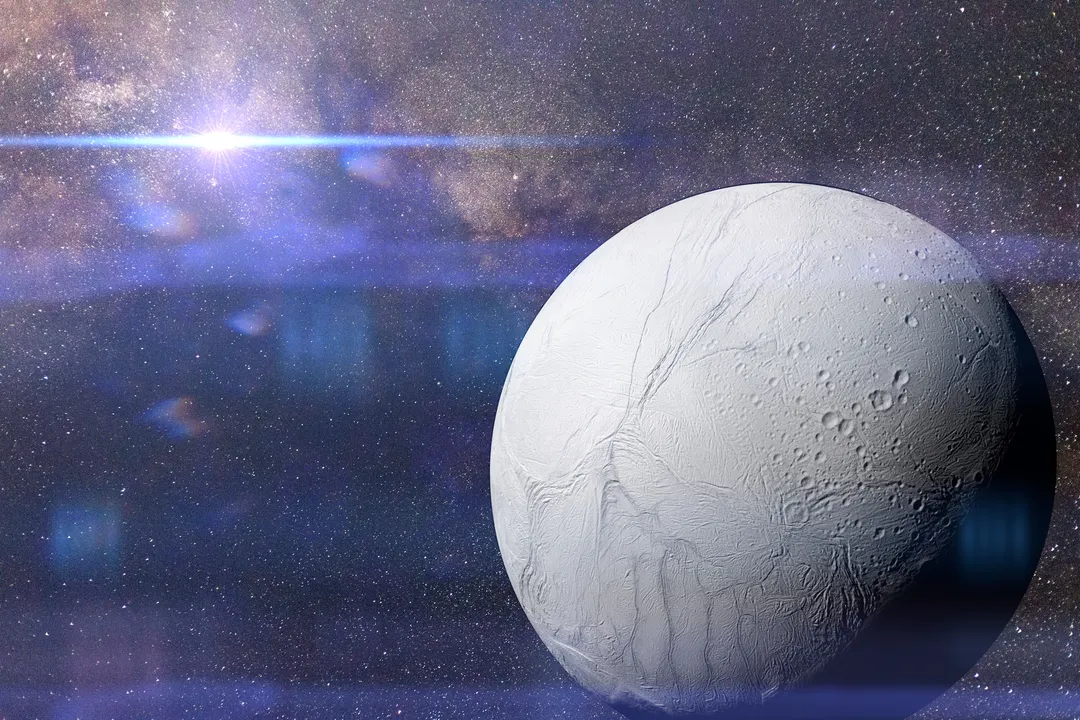
The identification of molecular hydrogen in the plume material ejected from Enceladus is considered a highly compelling signature for habitability. On Earth, molecular hydrogen is a key chemical energy source utilized by organisms living near hydrothermal vents on the deep seafloor, environments completely divorced from sunlight. These ecosystems thrive through chemosynthesis, using chemical reactions—often involving hydrogen—as their primary energy source rather than photosynthesis. Therefore, the presence of molecular hydrogen suggests that Enceladus possesses a dynamic, rocky core interacting with its liquid ocean, generating the necessary chemical gradients to fuel potential biological processes similar to those found in Earth's most extreme, lightless habitats.
#Videos
NASA Just Found Signs of Life on Saturn's Moon Enceladus