What observational consequence arises because high-mass stars are built fast and live short, spectacular lives?
They are inherently rare compared to lower-mass stars
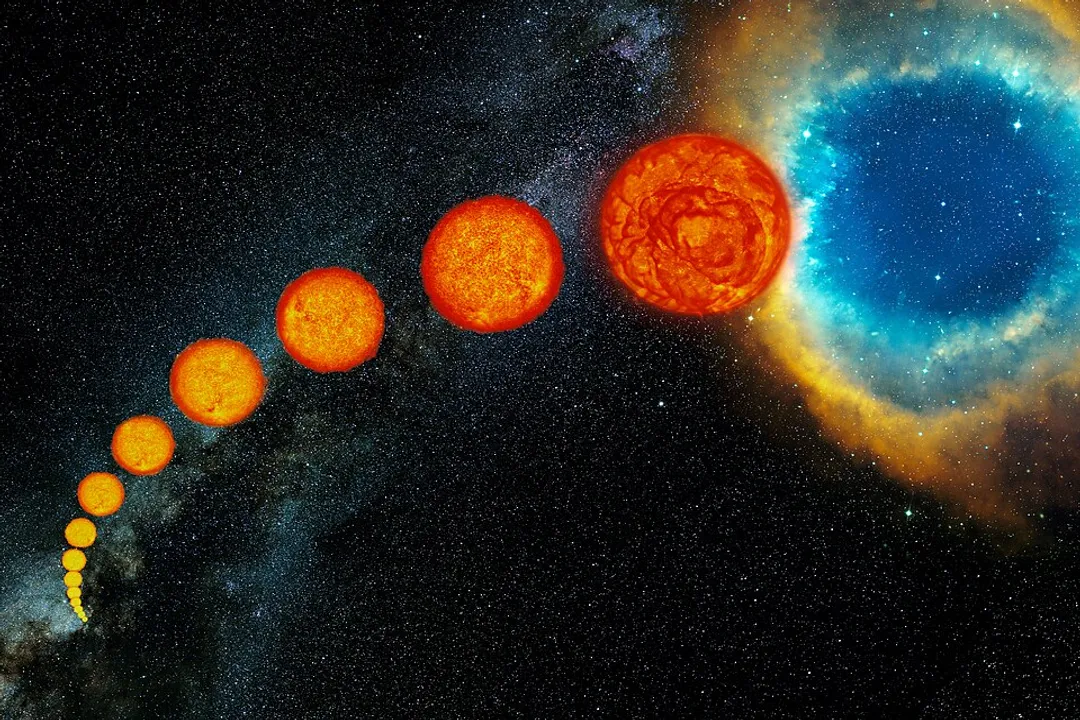
The rapid transition from protostar to supernova, characterized by both fast formation and an extremely short total lifespan (sometimes less than a million years for the most massive), means that high-mass stars spend only a minuscule fraction of their existence in any observable state. If a low-mass star lingers for billions of years, a high-mass star burns out quickly. When astronomers take a snapshot observation of a stellar nursery or the Milky Way, the vast majority of stars observed will be the long-lived, low-mass K- and M-type dwarfs, because the O- and B-type massive stars simply do not linger long enough to accumulate in large observable numbers.
#Videos
Why Massive Stars Form Faster Than Low Mass Stars - YouTube