What fundamental principle explains why a hypothetical 100 light-years diameter Sun-sized star would instantly collapse?
The gravitational forces required to hold that mass together at that radius would instantly cause collapse into a black hole or dense remnant
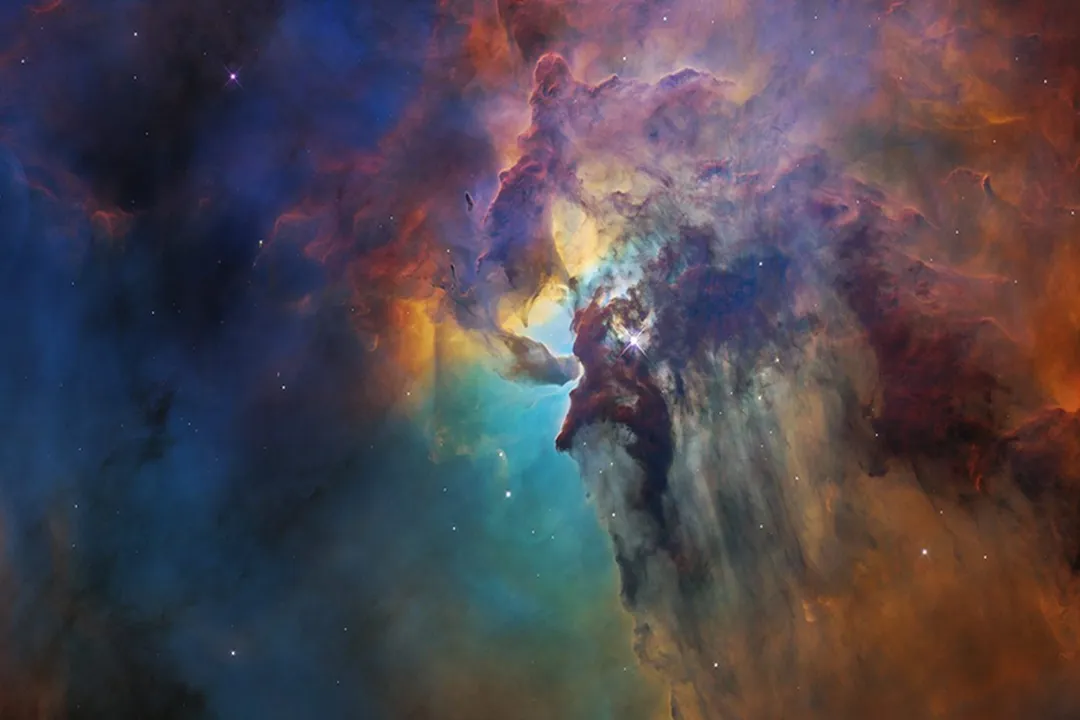
The immense difference between stellar size and nebular size is governed by fundamental physics related to gravity and pressure balance. A star maintains stability through a delicate equilibrium where the immense inward pull of self-gravity is countered by the outward pressure generated by nuclear fusion. If an object the mass of the Sun were hypothetically expanded to the size of a large nebula, such as 100 light-years across, the required internal pressure to resist self-gravity at that radius would be impossible to achieve for a normal star. Consequently, the overwhelming self-gravity would immediately dominate, leading to catastrophic gravitational collapse into a much denser object, like a black hole or a dense remnant.
#Videos
How Big Are Nebulae & Galaxies In the Night Sky ... - YouTube
How big is a NEBULA? Size and FOV explained - YouTube