For large emission or dark nebulae, what range of light-year measurements is described as quite common?
Sizes around 100 light-years
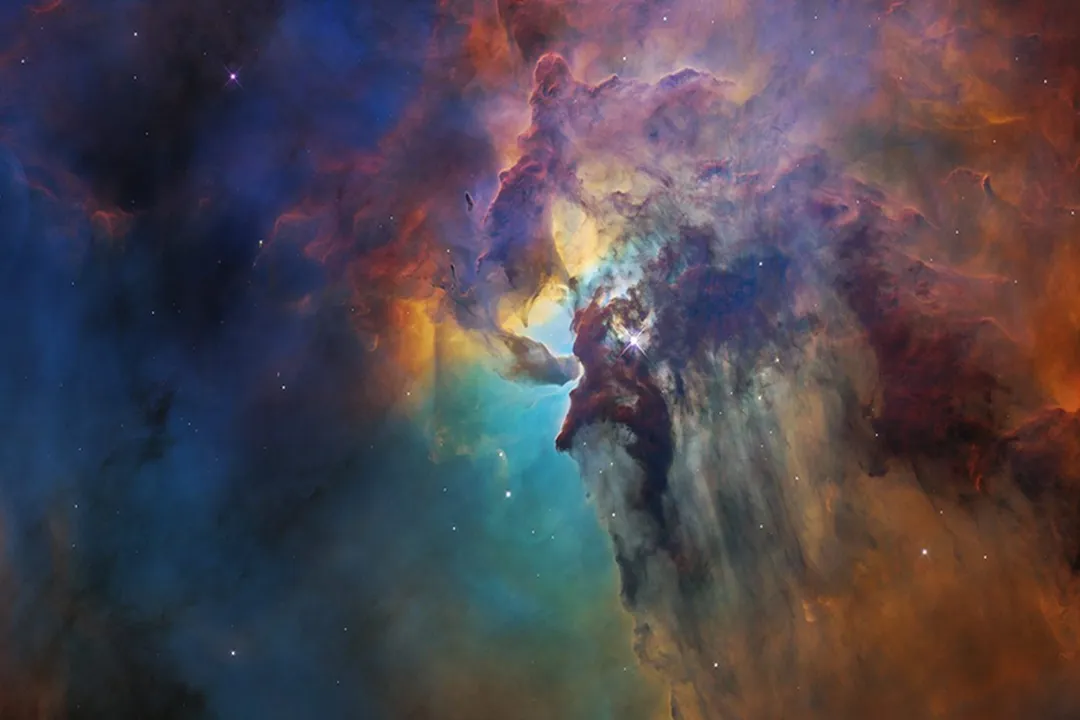
When observing the broader categories of massive clouds such as large emission nebulae or dark nebulae—the environments where star formation takes place—astronomical measurements frequently place them within a particular dimensional band. These structures are generally categorized by their origin and size, with many popular examples falling into the range of tens or hundreds of light-years across. Specifically, sizes clustered around the 100 light-year mark are cited as being quite common for these types of extensive celestial clouds, indicating a standard scale for active stellar nurseries before later evolutionary stages cause contraction.
#Videos
How Big Are Nebulae & Galaxies In the Night Sky ... - YouTube
How big is a NEBULA? Size and FOV explained - YouTube