How does the typical size of a planetary nebula, like the Ring Nebula, compare to a stellar nursery nebula?
It shrinks down to the single-digit light-year scale, spanning only a few light-years
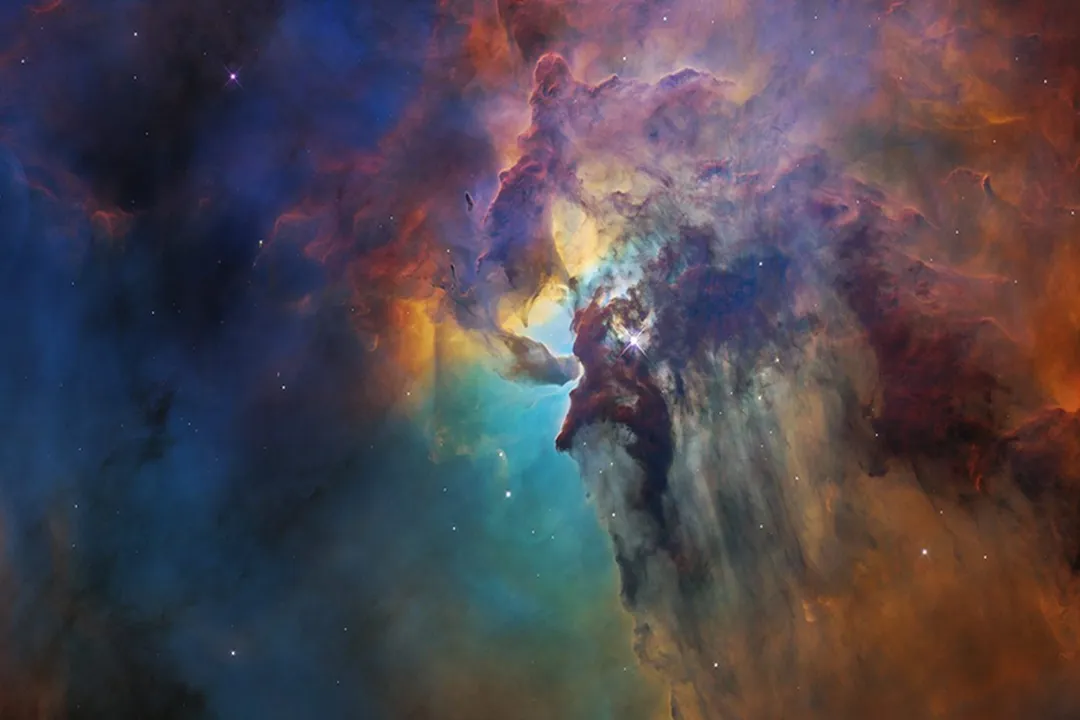
A significant phase change in cosmic geography occurs when a star reaches the end of its life and forms a planetary nebula. These nebulae, which are the glowing shells ejected by dying, medium-sized stars, are far smaller than the stellar nurseries from which they originated. While nurseries like the Lagoon Nebula measure around 100 light-years, a typical planetary nebula, such as the Ring Nebula, is only a few light-years in diameter. This compression of scale means that the material, once spread thinly over a vast distance, becomes concentrated into a smaller, rapidly expanding shell around the stellar remnant, the white dwarf.
#Videos
How Big Are Nebulae & Galaxies In the Night Sky ... - YouTube
How big is a NEBULA? Size and FOV explained - YouTube