Is a nebula considered a star?
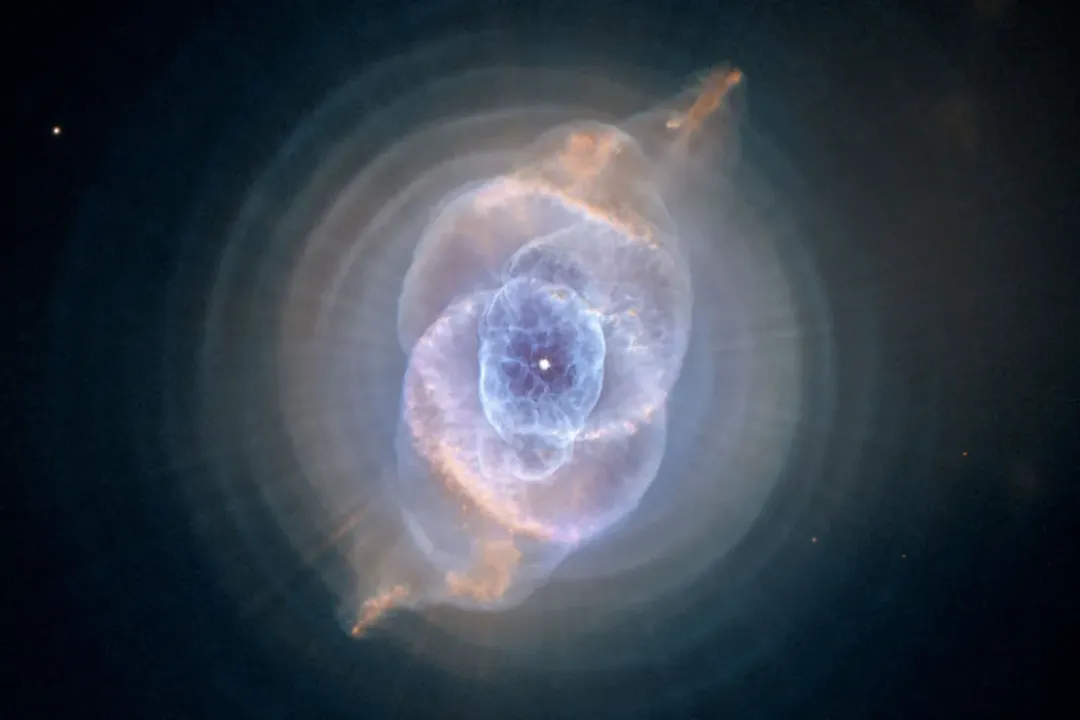
Many observers gaze at photographs of glowing clouds in deep space and find it easy to confuse these structures with stars. However, a nebula is not a star, nor is it the same thing as a star. While they are inextricably linked in the life cycle of the universe, they represent entirely different physical phenomena. [1][7] A star is a dense, hot sphere of plasma held together by its own gravity, actively fusing atoms in its core to generate energy. A nebula, by contrast, is a vast, diffuse cloud of gas and dust that acts as either a nursery for future stars or a graveyard for those that have already reached the end of their lives. [2][3]
# Astronomical definitions
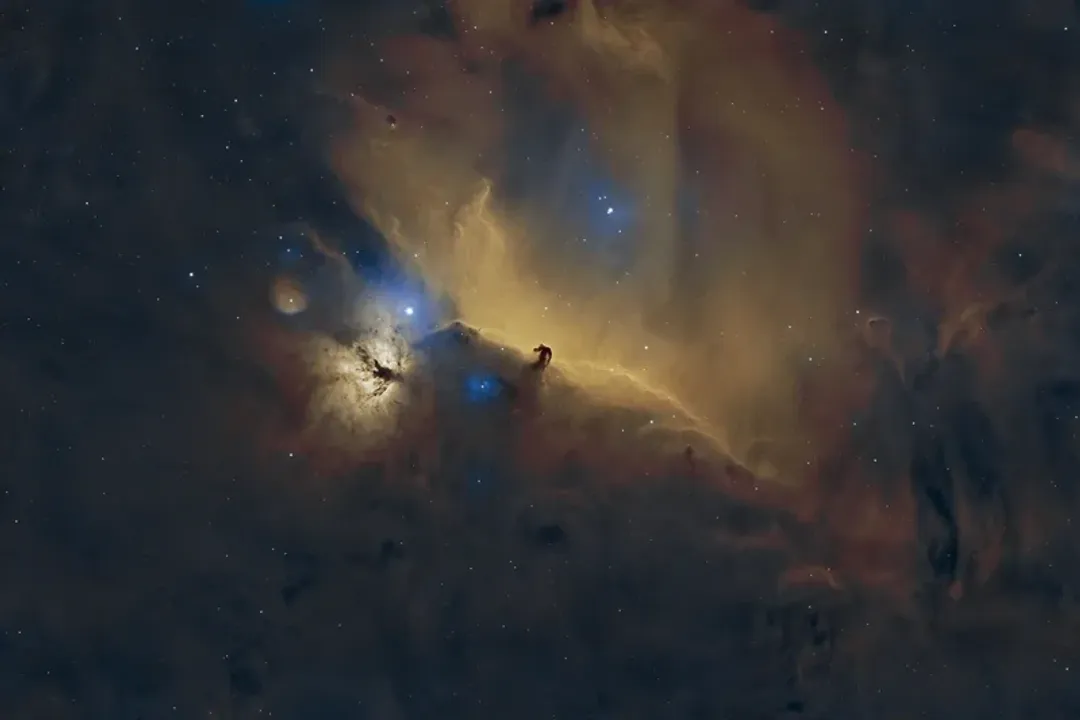
At a fundamental level, a nebula is an interstellar cloud of dust, hydrogen, helium, and other ionized gases. [1] It is often an area of space where the density of matter is much higher than the vacuum of the surrounding interstellar medium. [2] Stars are celestial objects that produce light and heat through nuclear fusion. When looking at a nebula, you are not looking at a single object with a defined surface or solid core; you are looking at a region of space, often many light-years across, where matter is clumped together. [10]
Think of a star as a finished, solid-state product, like a finished cake, and a nebula as the chaotic kitchen filled with ingredients, ovens, and sometimes the leftover crumbs from baking. The nebula provides the raw materials—the gas and dust—that gravity eventually pulls together to ignite a star. [2] Without these clouds, new stars would not have the material needed to form. Conversely, when a star reaches the end of its life, it may expel its outer layers, contributing its material back into a nebula to be recycled for future generations. [6]
# Star formation
One of the primary ways to understand the distinction is to look at where stars come from. Certain types of nebulae, known as giant molecular clouds or diffuse nebulae, serve as stellar nurseries. [1][3] In these regions, gravity acts on the accumulated gas and dust, causing the material to clump together. As these clumps grow denser and hotter, they eventually reach a threshold where nuclear fusion ignites in their cores, resulting in the birth of a new star. [2]
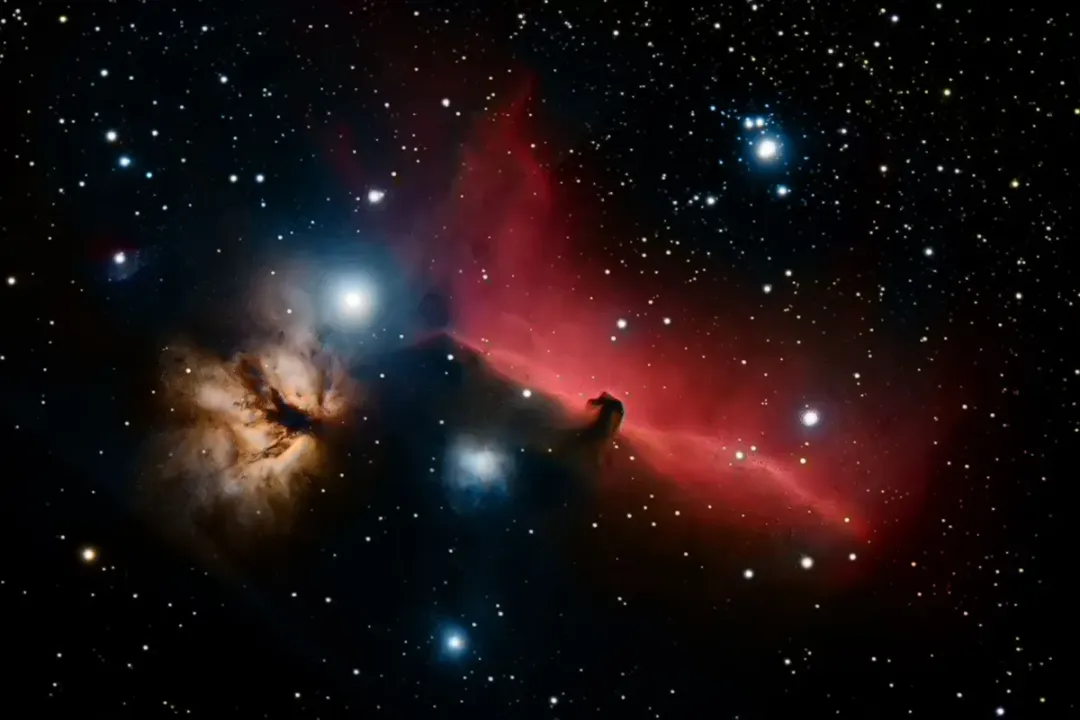
It is important to note that a nebula does not become a star in the sense of a transformation. Instead, the nebula is the environment that contains the material necessary for the star to form. A single nebula can host the birth of hundreds or even thousands of stars simultaneously. [4] These stars are often embedded within the nebula, meaning they exist inside the cloud, illuminating the gas with their intense radiation. [4] This creates the stunning, colorful images seen in astronomy, where the bright light from young stars ionizes the surrounding gas, causing the nebula to glow. [10]
# Stellar death
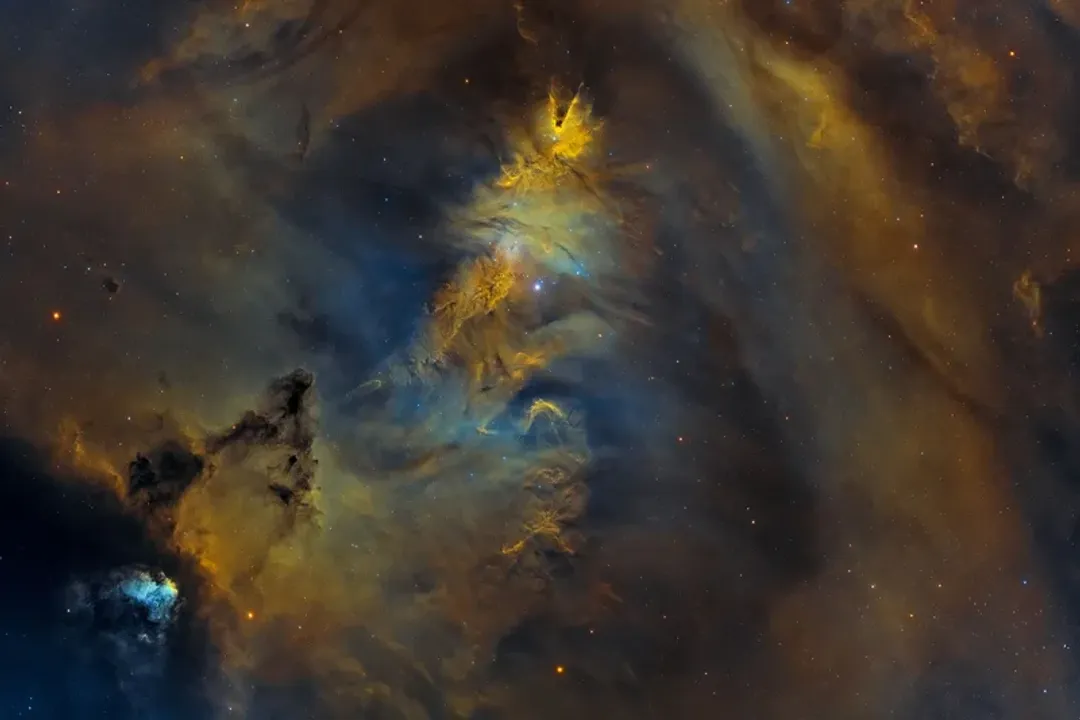
Not all nebulae are places of birth; some are the result of death. When a star like our Sun reaches the final stages of its life, it begins to shed its outer layers, creating a structure known as a planetary nebula. [6] Despite the name, these have nothing to do with planets; they are simply the glowing remnants of a dying star. [6][9]
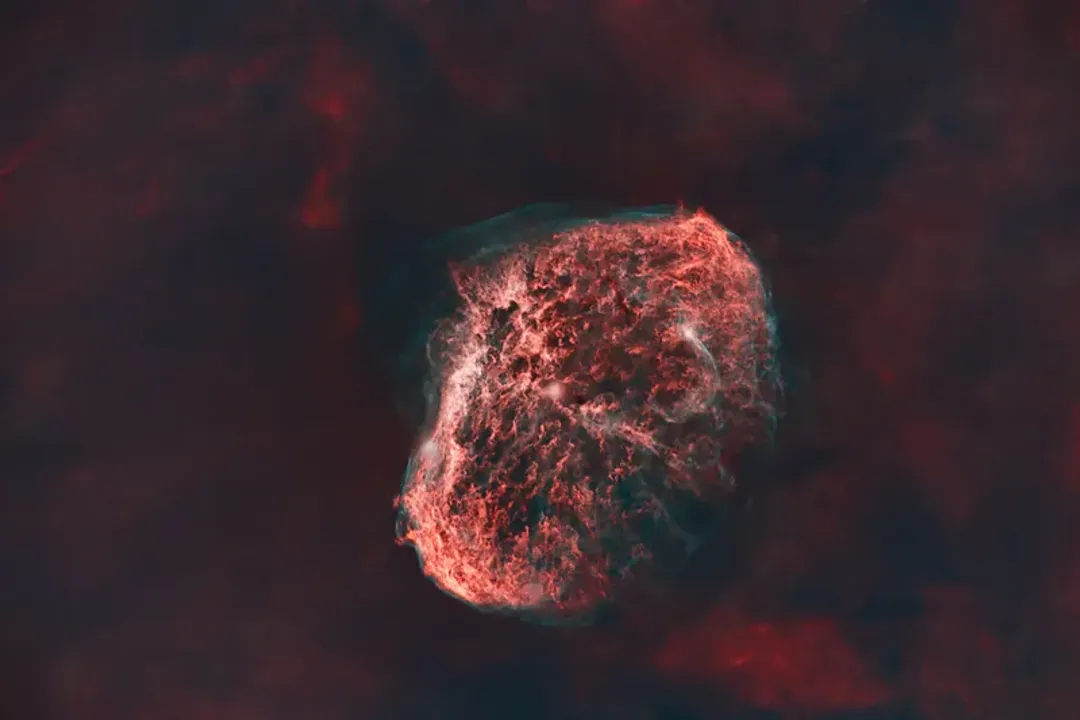
In more massive stars, the end is much more violent. When a star explodes as a supernova, it leaves behind a supernova remnant, which is another type of nebula. [1] In these cases, the nebula is the direct product of a star's destruction rather than a place where a star is born. [3] These remnants expand outward, scattering heavy elements back into space, which eventually enrich other gas clouds, facilitating the birth of new solar systems. [7]
# Structural comparison
To clarify the differences, consider the following breakdown of how these astronomical objects compare in terms of their physical characteristics and roles.
| Feature | Star | Nebula |
|---|---|---|
| Physical State | High-density plasma | Low-density gas/dust |
| Primary Process | Nuclear fusion | Expansion/Collapse/Ionization |
| Lifespan | Millions to billions of years | Transient (changes over time) |
| Function | Generates light and heat | Creates or contains star matter |
| Boundaries | Distinct, spherical | Diffuse, irregular shapes |
This comparison highlights that stars are individual actors, whereas nebulae are the stage or the debris field. It is a common misconception to assume that because a nebula glows like a star, it must be a star. The glow in a nebula is actually "reflected" or re-emitted light from nearby stars, or energy released by the gas itself as it is ionized, rather than the byproduct of fusion at the center of the nebula itself. [1][10]
# Visual confusion
The reason many people struggle to distinguish between the two is rooted in how we observe them. Through telescopes, especially long-exposure photography, both stars and nebulae appear as bright, colorful objects against the black backdrop of space. [5] Humans have a natural tendency to categorize distinct, glowing points of light as "stars."
However, the scale is vastly different. A star is a single point of light, whereas a nebula can span vast distances that would contain entire solar systems within its bounds. [1] When you look at an image from a telescope like the James Webb Space Telescope, the small, sharp, pinpoint dots are stars, while the expansive, wispy, and cloud-like structures are the nebulae. [8]
# Scientific interaction
Are there stars inside nebulae? Yes, frequently. [4] This fact contributes to the confusion, as observers might see a star embedded in a glowing gas cloud and associate the two as a single entity. The relationship is symbiotic in a sense; the stars provide the radiation that makes the nebula visible, and the nebula provides the raw material that forms the stars. [4][7]
There is an ongoing dynamic between these entities. If a nebula is a nursery, the star is the child. If a nebula is a remnant, the star is the ancestor. At no point, however, does the nebula itself possess the density, temperature, or mass required to function as a star. It lacks the cohesive, self-sustaining gravitational core that defines stellar status.
Understanding this distinction allows observers to better appreciate the cosmos. When looking at a celestial image, distinguishing between the factory (the nebula) and the product (the star) provides a clearer mental map of how the universe is constantly recycling matter. Stars die to create the nebulae, and nebulae condense to create new stars, creating a continuous loop of transformation that defines the history of galaxies. [3][6]
#Videos
How Stars Are Born Nebulae - YouTube
Related Questions
#Citations
Nebula - Wikipedia
What Is a Nebula? | NASA Space Place – NASA Science for Kids
What purpose do nebulae only create stars and why is it different ...
Can a star be inside a nebula? - Quora
How Stars Are Born Nebulae - YouTube
Planetary Nebula - ESA/Hubble
Stars & Nebulae - MicroObservatory Robotic Telescope Network
What is the definition of Nebula? - Facebook
What is a nebula? Cosmic clouds and how to see them