How do astronomers distinguish between the small dots and cloud-like structures in space images?
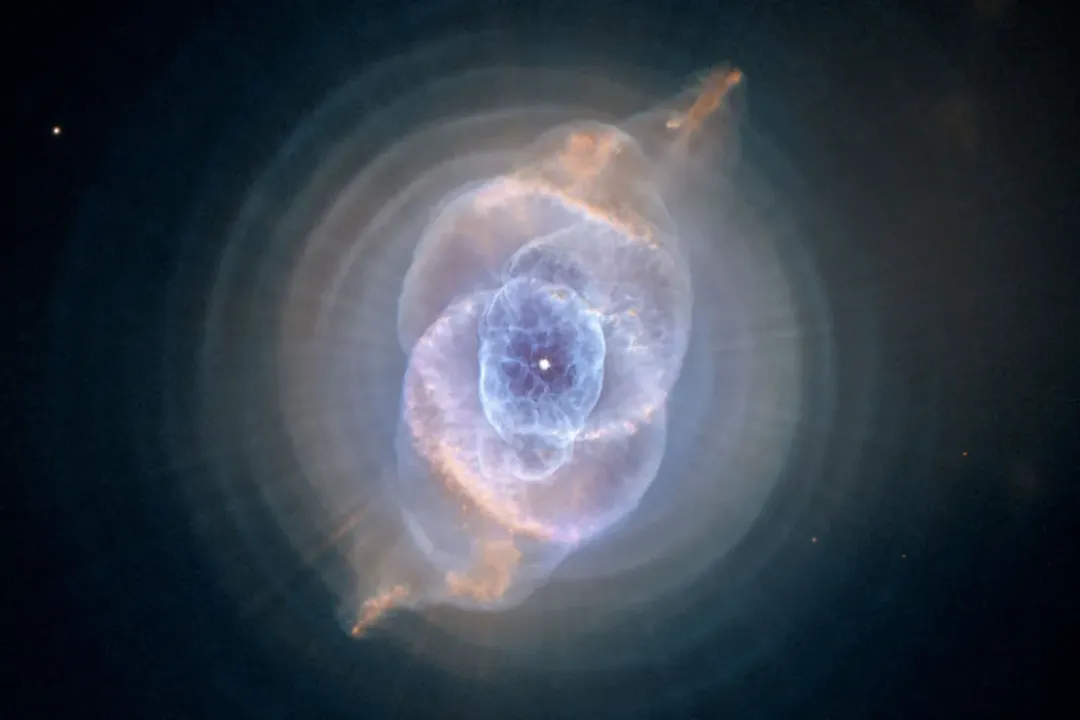
The sharp, pinpoint dots are stars, while the expansive, wispy structures are nebulae.
When observing high-resolution imagery from advanced observatories like the James Webb Space Telescope, the scale and structure are key to identification. Stars appear as distinct, sharp, pinpoint dots because they are concentrated, spherical objects. In contrast, nebulae appear as expansive, wispy, or cloud-like structures because they are composed of diffuse gas and dust spread out over vast distances. These nebular structures are often irregular and diffuse, lacking the solid, defined edges of a star, making it possible to visually separate the individual, compact energy sources (the stars) from the massive, sprawling environments in which they are often embedded.
#Videos
How Stars Are Born Nebulae - YouTube