What does the shift towards studying the 'typical' processes over 'exceptional' early galaxies enable in modern cosmology?
It transitions understanding from anecdotal evidence to confirmed physical laws governing galactic growth
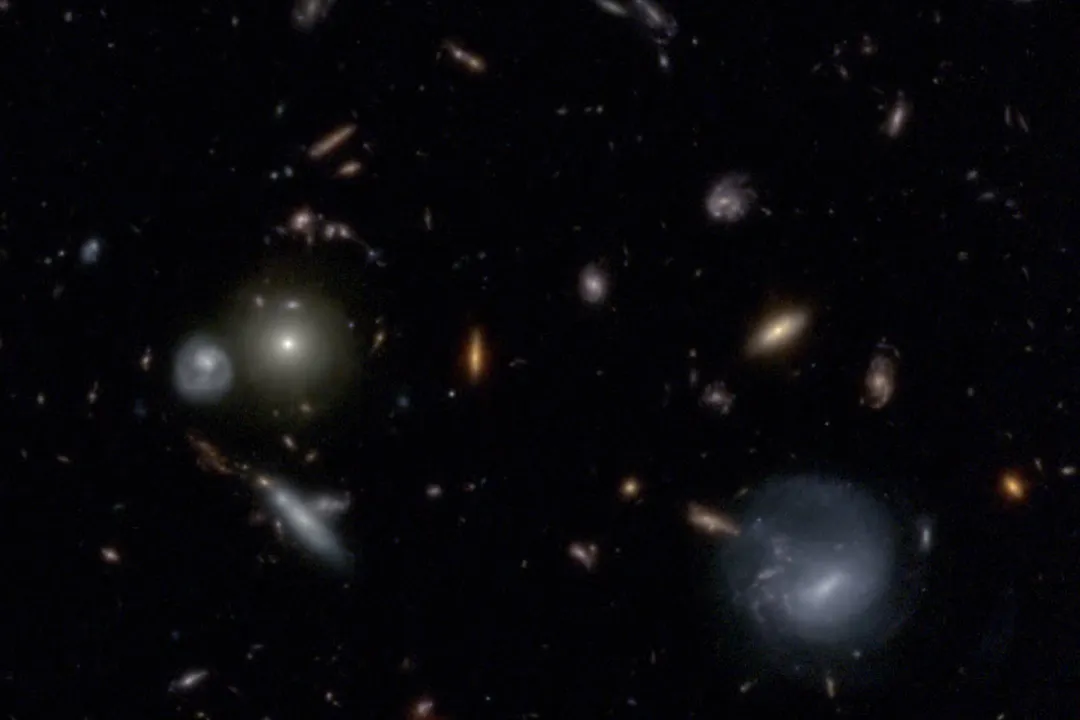
Early studies of the high-redshift universe often focused on the brightest or most unusual galaxies discovered, leading to knowledge based on 'exceptional' outliers. The current capability, driven by large data sets from instruments like JWST, is enabling statistical analyses across large populations of galaxies. This shift means researchers are no longer relying on isolated, spectacular examples but are characterizing the processes that governed the majority of structure formation across cosmic eons. By analyzing typical populations, the conclusions drawn about galactic growth pathways move beyond anecdotal observations to become robust, statistically confirmed physical laws applicable to the universe as a whole.