What defines a star's 'surface' when considering its wispy, ever-thinning layers of gas?
The point where gas becomes thin enough for light to escape relatively freely
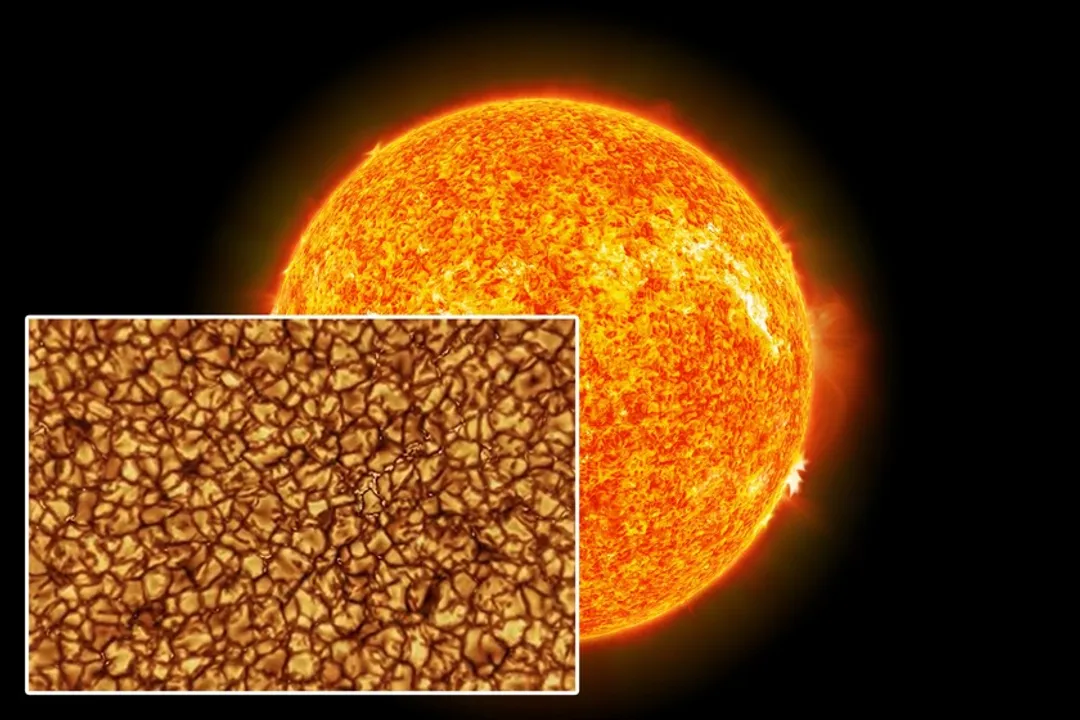
A star's surface is fundamentally different from a solid world like Mars or Venus because it has no ground to stand on. The 'surface' is defined purely by optics and density gradients. It is the specific altitude or layer within the star where the gaseous material thins out sufficiently that the photons generated internally can escape into space without being significantly scattered or absorbed by overlying layers. If an observer were to attempt standing on the photosphere of any star, they would immediately pass through the wispy, ever-thinning layers of gas, encountering only a continuous gradient of increasing heat and pressure as they moved inward.
#Videos
First Close-up Picture of a Star Outside Our Galaxy - YouTube