Which wavelengths penetrate interstellar dust better than visible light for mapping?
Radio waves and infrared light
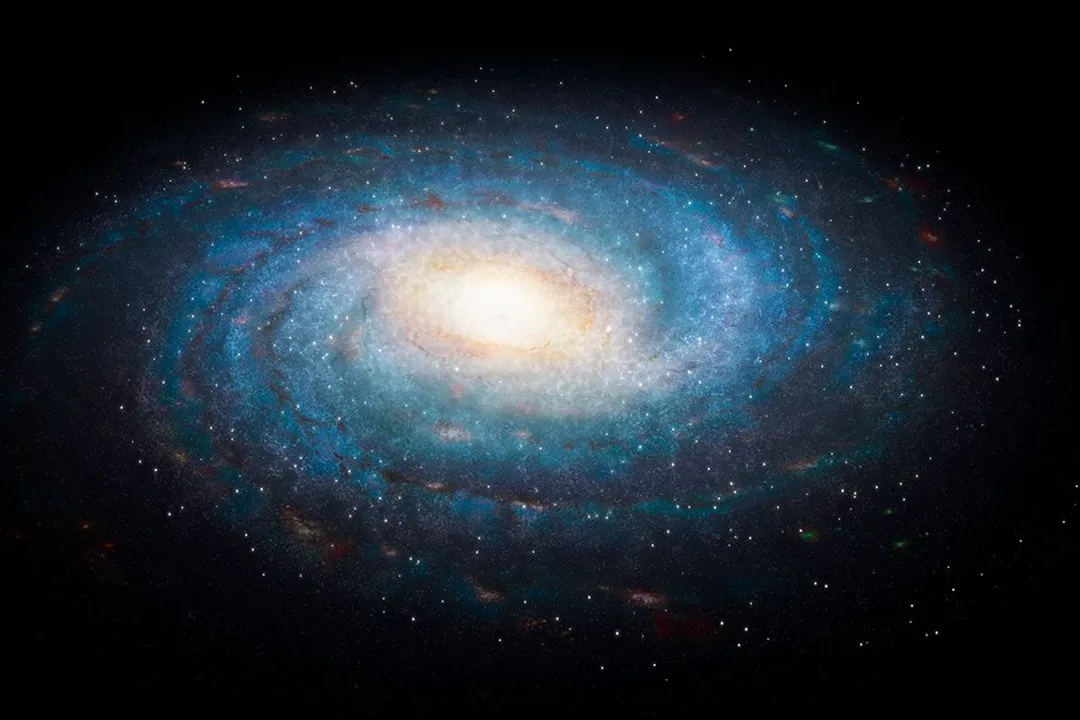
Visible light is severely hindered when attempting to map the structure of the galaxy because vast quantities of interstellar dust and gas lie between us and the galactic core. This dust absorbs and scatters visible light, effectively acting like a thick fog that completely obscures the billions of stars and the central bulge beyond it. To overcome this obscuration, scientists must utilize parts of the electromagnetic spectrum that can pass through this dusty veil unimpeded. Radio waves are particularly useful because they allow researchers to detect emissions from neutral hydrogen gas, which traces the structure. Infrared light is also effective because it can cut through the dust layers to reveal structures like star clusters and the central bulge that are otherwise hidden from visible light observation.
#Videos
Q&A 90: How Do We Know What The Milky Way Looks ... - YouTube
How Do We Know What the Milky Way Looks Like? - YouTube