Is the Virgo Cluster bigger than the Milky Way?
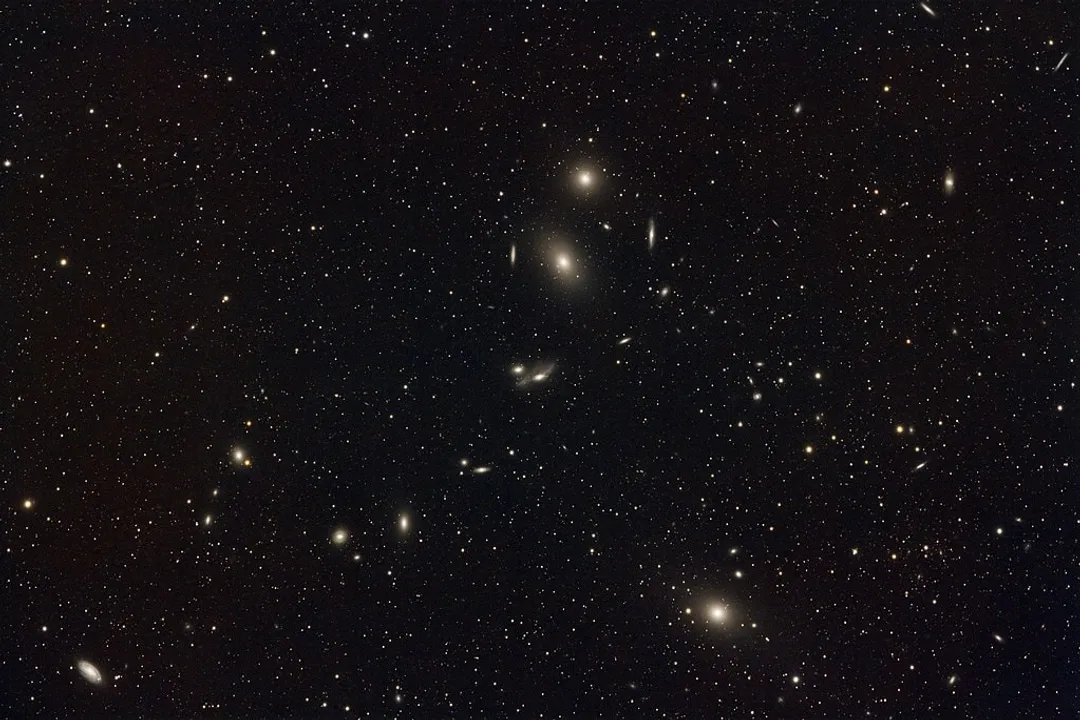
The comparison between our home, the Milky Way galaxy, and the massive structure known as the Virgo Cluster immediately reveals a profound difference in astronomical scale. To put it plainly: the Virgo Cluster is significantly larger than the Milky Way galaxy because one is a single island universe, and the other is a sprawling city containing over a thousand of those islands. The Milky Way is a massive spiral galaxy, a breathtaking collection of billions of stars, gas, and dust, bound together by gravity. However, when we look toward the constellation Virgo, we are not seeing another single galaxy, but rather a dense congregation of many such systems.
# Galactic Scale
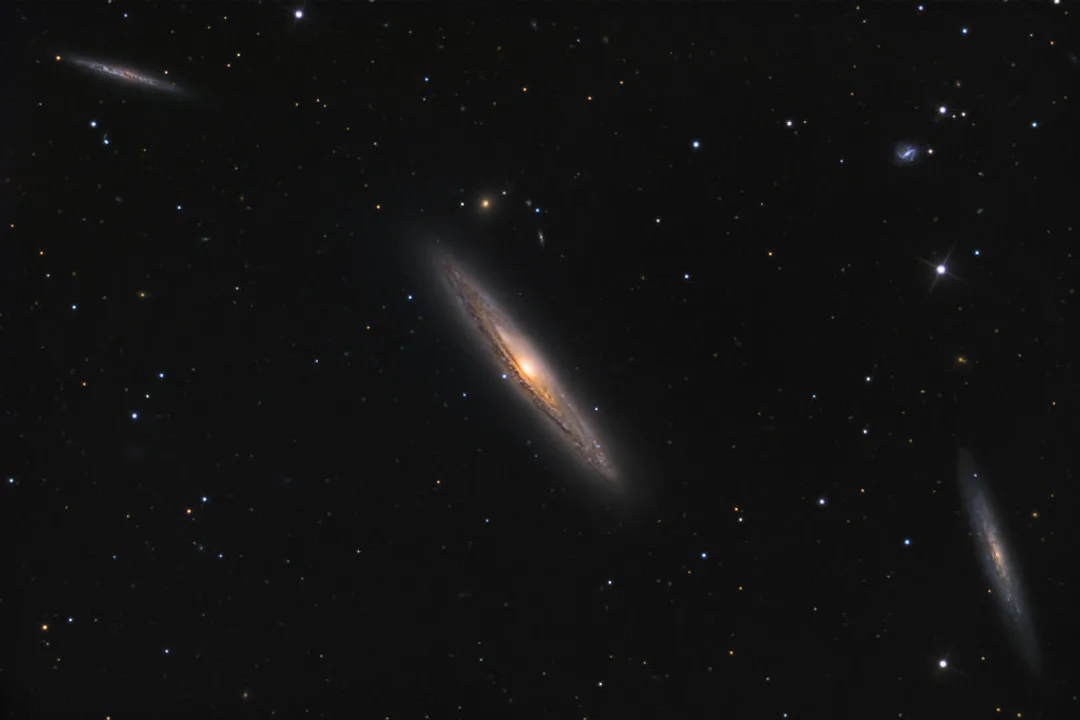
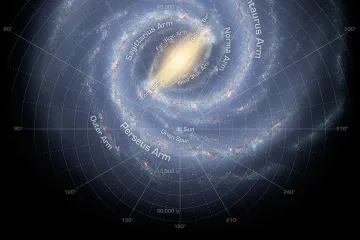
Our Milky Way, while immense by human standards, is just one member of the cosmic neighborhood. It is classified as a large spiral galaxy. The sheer number of stars within our galaxy is estimated to be in the hundreds of billions. Its diameter is estimated to be around 100,000 light-years, though some estimates extend this even further depending on the definition of the outer halo. Understanding the Milky Way sets the baseline for comparison; it represents the 'small' unit in this pairing, albeit a gigantic one by itself.
# Cluster Defined
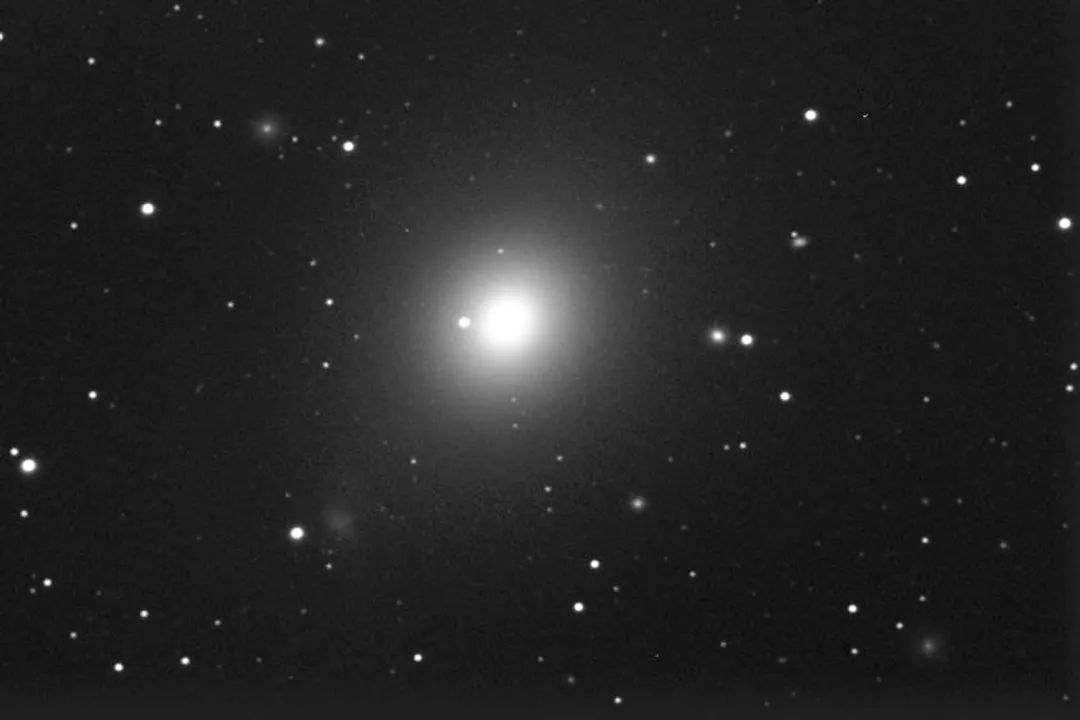
The Virgo Cluster, conversely, is a gravitationally bound collection of galaxies. It sits about 54 million light-years away from us. This structure is far from uniform; it is known to harbor over 1,300 confirmed galaxies, with estimates suggesting there may be many more. These galaxies vary in type and size, making the cluster a dynamic and complex environment. If you could somehow place the Milky Way inside the Virgo Cluster, it would be just one small drop in a massive cosmic ocean.
This difference in composition—a single galaxy versus a collection of over a thousand—is the fundamental reason why the Cluster dwarfs the Milky Way in terms of total mass and physical volume. A galaxy cluster is, by definition, one of the largest structures in the universe held together by gravity, making it inherently larger than any single galaxy it contains.
# Scale Difference
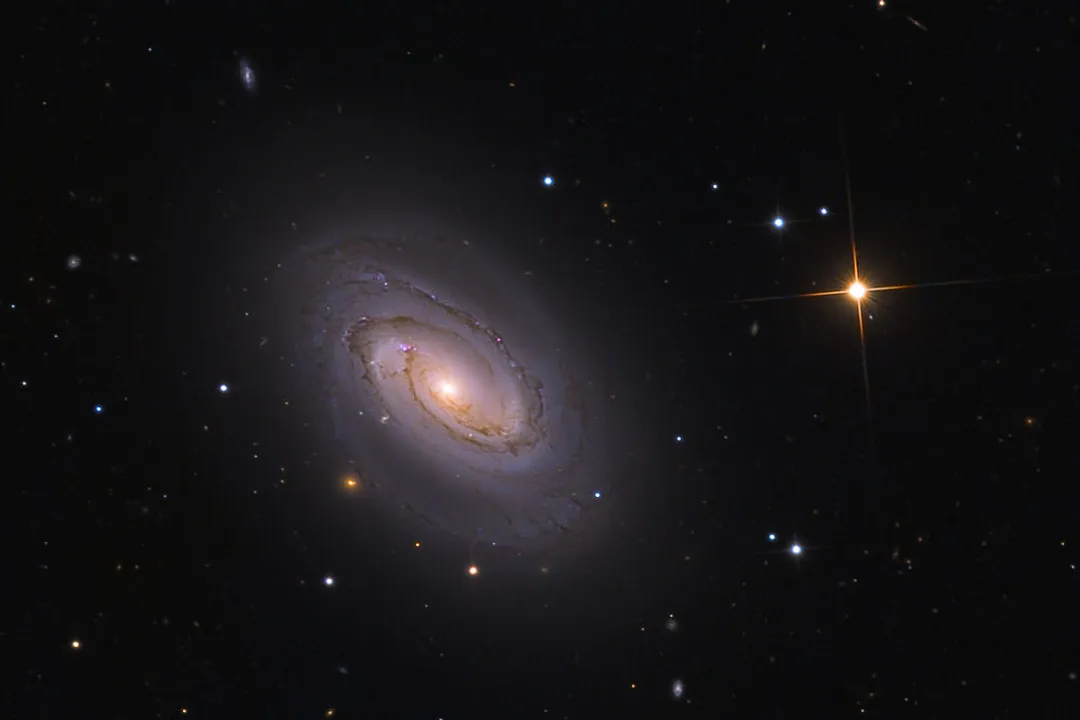
Imagine the Milky Way as a single major metropolitan area. Now, picture the Virgo Cluster as an entire region comprised of over a thousand such cities packed into a gravitational embrace. While the Milky Way is vast, the Virgo Cluster encompasses a region stretching perhaps 8 to 10 million light-years across. It is the nearest large galaxy cluster to our own Local Group, which contains the Milky Way.
To provide a conceptual sense of the mass disparity, if the Milky Way's total mass is represented by a certain quantity, the Virgo Cluster’s mass, due to the cumulative effect of those 1,300+ galaxies plus the vast amounts of dark matter holding them together, would be orders of magnitude greater. It is not just that the cluster is bigger; it is structurally and quantitatively superior in terms of components. This hierarchy is common in the cosmos: groups of galaxies form clusters, and clusters group together into superclusters.
# Supercluster Context
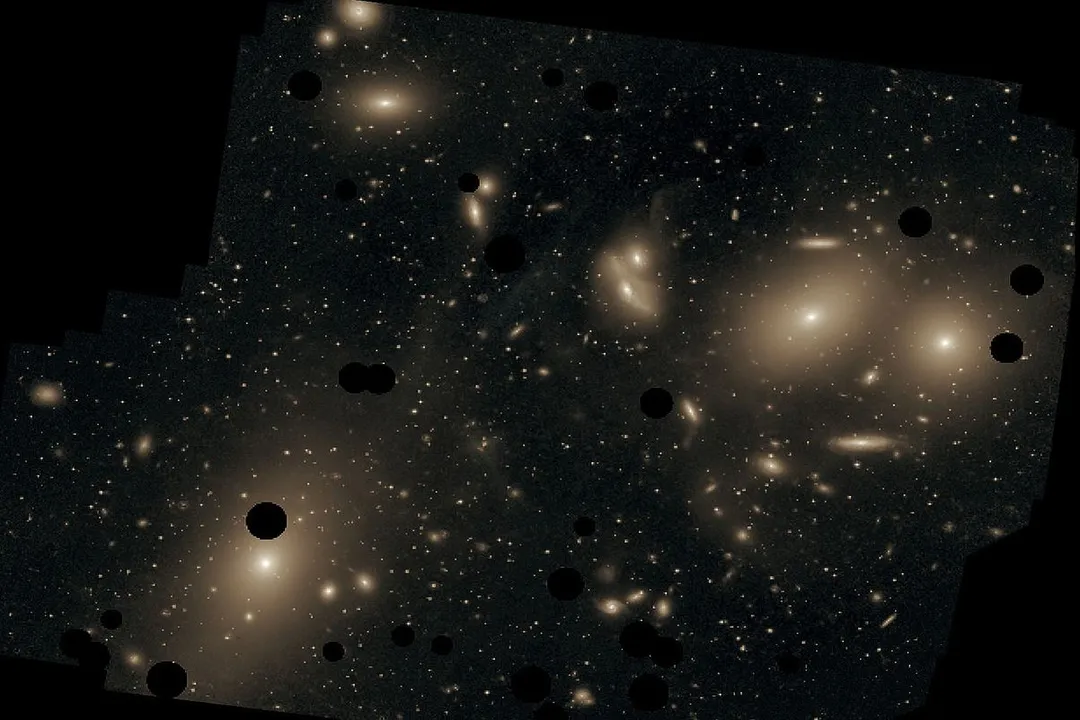
The relationship between these structures becomes clearer when we zoom out further. The Milky Way is a member of the Local Group, which itself is gravitationally tied to the massive Virgo Supercluster. The Virgo Cluster is generally considered the dense, central hub of this much larger Virgo Supercluster.
The Milky Way, the Virgo Cluster, and everything in between are all gravitationally moving toward the center of mass of the Virgo Supercluster. It is important to note that the Virgo Cluster and the Virgo Supercluster are not the same thing. The Cluster is the heart, while the Supercluster is the entire extended structure that contains the Cluster, the Local Group, and many other smaller groups and clusters.
This entire Virgo Supercluster, in turn, is now understood to be just one component of an even larger structure known as the Laniakea Supercluster. Our local cosmic address, therefore, flows from the Milky Way (galaxy) to the Local Group, to the Virgo Cluster (the nearest major cluster), to the Virgo Supercluster, and finally to the Laniakea Supercluster. When discussing the sheer size of the Virgo Cluster, it is vital to remember it is a part of a larger gravitationally bound structure that is still moving toward something even bigger.

# Measuring Vastness
When astronomers study these structures, they rely on measuring redshift to determine how quickly objects are moving away from us, which then allows for distance estimation. The distance to the Virgo Cluster, around 54 million light-years, places it firmly in the realm of local super-structure, far beyond the boundaries of our immediate galactic neighborhood, the Local Group.
Consider the sheer physical extent of the Laniakea Supercluster, which hosts the Virgo Cluster. While the Virgo Cluster spans several million light-years, Laniakea spans hundreds of millions of light-years, demonstrating the successive layering of cosmic organization. The physical size of the Virgo Cluster itself, with its multitude of galaxies, is a much more direct measure of "bigger than the Milky Way". The cluster’s scale necessitates a fundamentally different observational approach than that used for studying the Milky Way, which we view from within. Analyzing the light from these distant galaxies within the cluster allows researchers to map the distribution of mass, revealing that the gravitational pull of the cluster far exceeds what the visible galaxies alone could account for, pointing to the dominant role of unseen dark matter in holding the structure together.
If we were to attempt a simplified comparative metric, we could note that the Milky Way is a collection of perhaps stars. The Virgo Cluster, containing 1,300+ galaxies, is composed of many trillions of stars, plus the intergalactic medium and dark matter halo, making the quantitative gap between the two astronomical objects immense. It is less a comparison of two similar objects and more a comparison of a single house to an entire, densely populated county.
#Videos
Is The Milky Way In The Virgo Supercluster? - Physics Frontier
Related Questions
#Citations
Can someone explain the difference between the Virgo Cluster ...
Virgo Supercluster (object) | How Far Away Is It Wiki - Fandom
Accurate comparison of galaxy sizes including Milky Way - Facebook
Is The Milky Way In The Virgo Supercluster? - Physics Frontier
The Milky Way Might be Part of an Even Larger Structure than ...
Is the Milky Way part of the Virgo Supercluster or the Laniakea ...
Virgo Cluster - Messier Objects
Does the Milky Way belong to a Galaxy cluster