What did Milky Way used to be called?
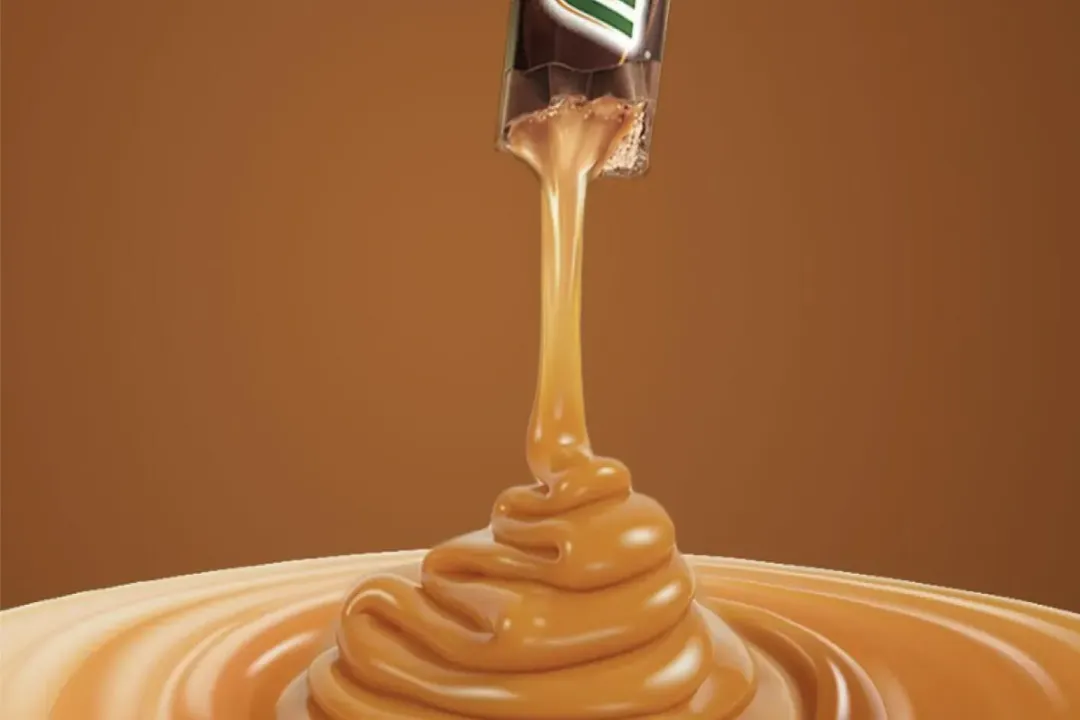
The history of the Milky Way candy bar is far more complex than a simple combination of chocolate, nougat, and caramel might suggest, weaving through a fascinating domestic split, a quest for size dominance in the 1920s market, and an international identity crisis that still confuses candy lovers today. While today the name Milky Way evokes a familiar flavor profile, understanding its past requires delving into malted milkshakes, a father-son rivalry, and three-flavored bars that paved the way for single-flavor icons.
# Malted Milk
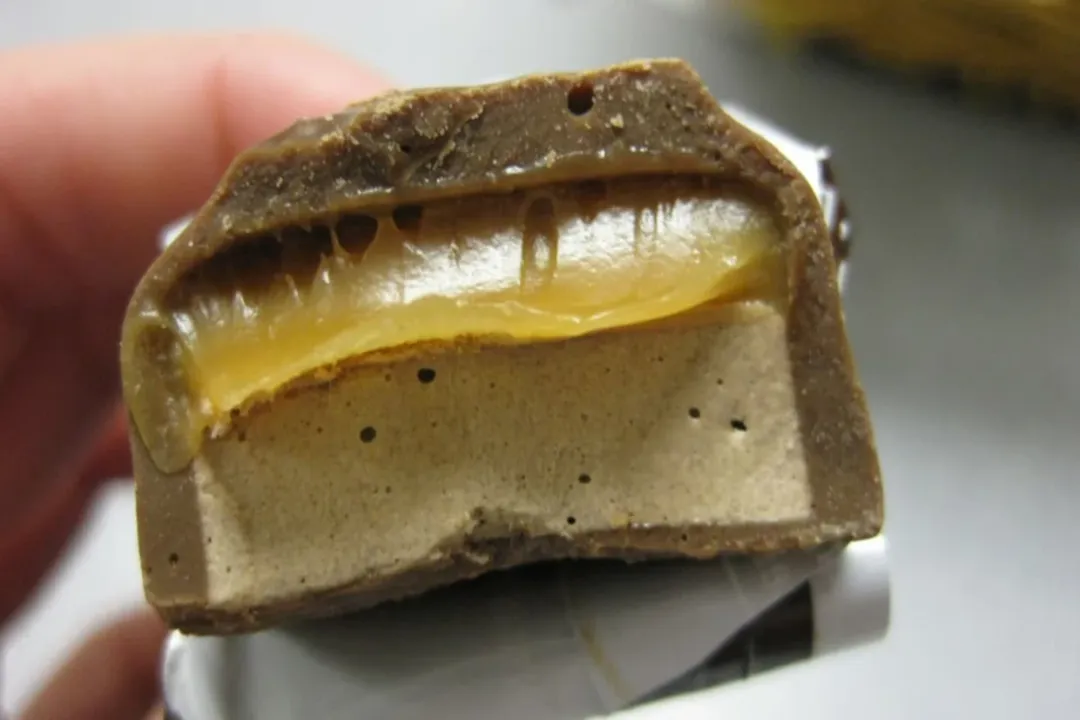
When Frank C. Mars first introduced the candy bar, the name Milky Way was deliberately chosen to capitalize on a wildly popular beverage: the malted milkshake, or "malt". The bar, which first hit shelves in 1923 or 1924, depending on the account, was marketed with the bold claim that it contained more malted milk than a typical soda fountain double malted milk. This ingredient, which started as an infant formula in the late 1800s, was prized both for its taste and its perceived health benefits.
It is a common misunderstanding today that the bar was named after the celestial band of stars we see in the night sky; in reality, it was a clever piece of marketing tethering a new confection to an established, wholesome flavor trend. This original core ingredient, malted milk, is now entirely absent from the standard American Milky Way bar.
Considering the original inspiration, one might observe that the modern bar’s name has become somewhat of a historical relic. The confection's current identity rests on its texture—rich chocolate, creamy caramel, and fluffy nougat—but the malted characteristic that justified the name has vanished. This shift is a subtle but significant evolution in confectionery branding: a successful product dropping its defining feature while retaining the successful moniker, relying instead on the appeal of fat and sugar content for continued relevance. This departure from the original recipe suggests that the immediate appeal of the rich, sweet combination ultimately outweighed the connection to the original, mildly healthier malted milk base.
# Early Sizing War
When Frank Mars, a Minnesotan, began manufacturing the bar in his small factory in Minneapolis, possibly in the North Loop area, the candy market was ripe for disruption. In the mid-1920s, the dominant player on the counter was the standard nickel chocolate bar, notably the Hershey bar. Frank Mars decided to challenge this status quo not by changing the flavor profile dramatically at first, but by changing the scale.
The original Milky Way was significantly larger than its competitors, weighing in at over 3 ounces, compared to the "flat little Hershey bar" that also cost a nickel. This difference in size offered a straightforward value proposition: "People walked up to the candy counter and they'd see this flat little Hershey bar for a nickel and right next to it, a giant Milky Way. Guess which one they'd pick?".
To achieve this size while keeping the price point low, the initial recipe leaned heavily on volume-filling ingredients. The bar was predominantly nougat—made simply from eggs, sugar, and air—with only a small amount of caramel added. Over time, as the company grew and ingredient sourcing stabilized, the ratio shifted, with the gooey, stretchy caramel becoming a much more prominent and celebrated feature.
The early days also involved necessary compromises in infrastructure. Mars did not have the capital or facilities to produce their own chocolate coating initially, leading them to contract with a competitor, Hershey's, for supply until 1965. When Forrest Mars, Frank’s son, abruptly terminated that agreement to bring chocolate production in-house, it reportedly caught Hershey’s off guard, costing them a significant portion of their chocolate coating revenue.
# Naming Splits
The most confusing aspect of the Milky Way's nomenclature centers on the international market, a situation directly tied to the complex relationship between Frank Mars and his ambitious son, Forrest. After a falling out, Forrest Mars eventually left the family business and moved to England, securing the rights to use the Milky Way recipe outside of the United States.
It was Forrest who created a different version of the bar in England, adding more sugar to satisfy the British preference for sweeter confections, and he branded this international product the Mars bar.
This established a crucial divide:
- US Milky Way: The bar with chocolate, caramel, and nougat.
- International (Mars Bar): This bar, which most closely resembles the US version (nougat and caramel), is sold globally as the Mars bar.
To complicate matters further, the product sold internationally as the Milky Way is, in fact, the recipe that Americans know as the 3 Musketeers bar—a bar consisting primarily of whipped nougat filling without the layer of caramel. The European Milky Way is even lighter, often advertised as floating in milk, emphasizing its pure nougat composition. This means that what a consumer in the UK or Australia calls a Milky Way is structurally what an American calls a 3 Musketeers.
| Region | Bar Name | Core Components |
|---|---|---|
| United States | Milky Way | Chocolate, Caramel, Nougat |
| United States | 3 Musketeers | Chocolate, Whipped Nougat (No Caramel) |
| International | Mars Bar | Chocolate, Caramel, Nougat (US Milky Way recipe) |
| International | Milky Way | Chocolate, Whipped Nougat (US 3 Musketeers recipe) |
The existence of a Mars Bar in the US market before 2002, which contained almonds and nougat, only adds another layer to this historical mess, as that US Mars Bar was eventually replaced by the Snickers Almond bar.
# Former Names
While the main bar held its Milky Way name in the US, one of its early variants did undergo a significant name change, answering a more literal interpretation of what the Milky Way used to be called.
In the early days, Mars sold two distinct bars together: the standard chocolate-covered Milky Way and a dark-chocolate bar filled with vanilla nougat and caramel. For a time, the company marketed these two bars together in a single package. It was the dark chocolate version that received its own distinct brand name in 1936: the Forever Yours bar. This branding highlighted the "snowy-white nougat" and "fresh dark chocolate" contrast.
The Forever Yours name was used for several decades until 1979, when declining sales led Mars to remove it from the shelves. However, this specific nougat-and-caramel-in-dark-chocolate iteration proved too popular to disappear entirely. It was reintroduced in 1989 as the Milky Way Dark bar, and then rebranded again in 2000 to its current moniker, Milky Way Midnight. Thus, the Milky Way Midnight bar is the direct descendent of a bar that was explicitly called Forever Yours for over forty years.
The 3 Musketeers bar, introduced in 1932, also has a naming history that is often confused with the Milky Way's origins. The 3 Musketeers name was derived from the Alexandre Dumas novel and initially reflected the bar's structure: three separate pieces inside one wrapper, each containing a different flavor of whipped nougat—chocolate, strawberry, and vanilla. Wartime sugar restrictions eventually led to the discontinuation of the strawberry and vanilla pieces, consolidating the bar into the single, chocolate-flavored whipped nougat format known in the US today.

# Brand Segmentation and Taste Profile
The divergence between the US Milky Way and the international Mars bar is a classic case study in brand segmentation based on perceived regional palates. The split between father and son, Forrest taking the international rights, essentially created two separate confectionary empires operating under the same family name but catering to different consumer expectations.
The fact that the international Milky Way (US 3 Musketeers) emphasizes only whipped nougat, while the US Milky Way emphasizes caramel, speaks to an early understanding of textural preference. Furthermore, the international Mars bar (US Milky Way recipe) was supposedly sweetened further for the British market. This suggests that while Americans, in the 1920s, were swayed by sheer size and an imitation of a popular drink, European tastes perhaps preferred a richer sweetness that the added sugar in the Mars bar provided.
This distinctness in composition has created a permanent, amusing cultural reference point: the deep-fried Mars bar, a Scottish delicacy, is actually a deep-fried Milky Way by US standards, or a deep-fried Mars Bar by UK standards, due to its caramel content. If one were to deep-fry an authentic, nougat-only UK Milky Way (US 3 Musketeers equivalent), the result would be drastically different—a lighter, less gooey experience—highlighting that the presence of caramel is the defining characteristic separating the two main global products bearing similar names.
It is remarkable that one candy family, Mars, Incorporated, managed to sell two distinct, structurally similar products—one with caramel and one without—under two different names across the Atlantic, effectively creating two successful franchises where one might have sufficed had the original recipe remained singular globally. The US consumer, who largely gravitates towards the Snickers bar over the Milky Way, often misses out on the simpler, nougat-only profile that dominates the rest of the world under the Milky Way banner.
# Enduring Legacy
The foundation of this massive candy empire rests firmly on the ingenuity of Frank C. Mars in Minnesota during the Roaring Twenties. The bar’s creation in 1923 or 1924 marked Mars, Incorporated’s entry into the filled chocolate bar market. While the name Milky Way has persisted in the US, its original meaning is obsolete, and its dark chocolate counterpart was once known by the evocative name Forever Yours before being assimilated into the main brand line as Midnight.
Ultimately, the question of what the Milky Way used to be called has multiple satisfying answers: it was first inspired by a malted milk drink, its dark variation was called Forever Yours, and its international sibling is simply called the Mars bar. For the contemporary consumer, the real question isn't what it was called, but realizing that the next time they buy a candy bar abroad, the wrapper saying Milky Way might actually contain what they know as a 3 Musketeers.
Related Questions
#Citations
Facts About MILKY WAY® | Chocolate candy bar
TIL The chocolate bar Milky Way is called Mars Bar by the non-US ...
3 Musketeers (chocolate bar) - Wikipedia
10 Gooey Facts About Milky Way Bars - Mental Floss
Milky Way and Formerly Forever Yours, Milky Way Midnight Dark