For the vast majority of stars not named the Sun or Betelgeuse, how is their surface appearance understood?
As an educated extrapolation based on physics models and spectral analysis
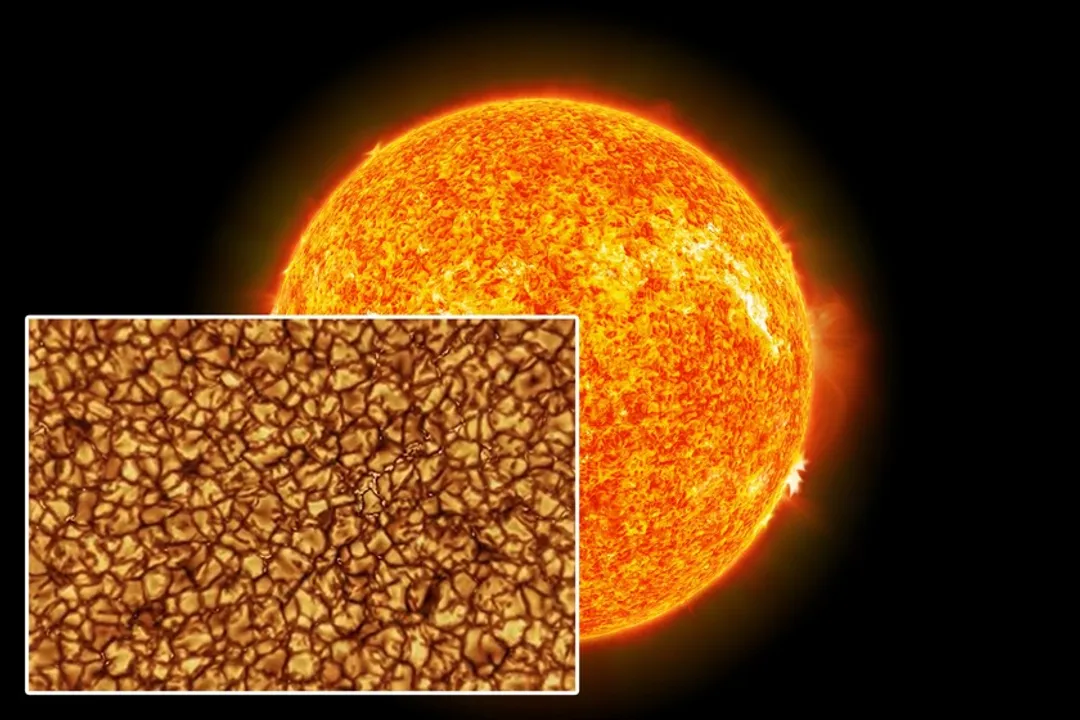
Because current technology cannot resolve the disks of distant stars—even relatively near ones like Proxima Centauri—our knowledge of their surfaces relies heavily on inference rather than direct observation. The light they emit is analyzed via its spectrum, which provides crucial data on temperature, chemical composition, and velocity. Scientists combine this spectral data with established physics models and comparative data gathered from our immediate, resolvable neighbors (the Sun and Betelgeuse) to create educated extrapolations about what their churning plasma textures might look like, even though we cannot resolve the features directly.
#Videos
First Close-up Picture of a Star Outside Our Galaxy - YouTube