How long does the initial shock breakout phase of a supernova explosion typically last?
Only hours
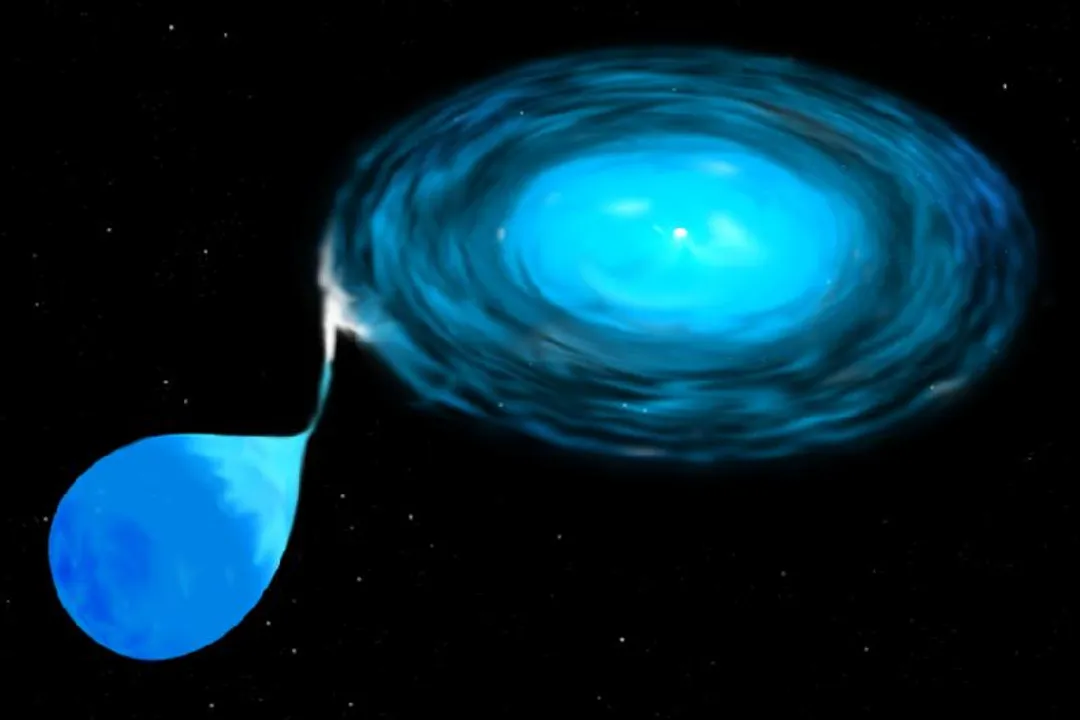
The progression of a supernova event has distinct observational phases. After the initial core collapse or thermonuclear ignition, the outward moving shockwave travels through the star's interior layers. The moment this shockwave finally breaches the star's surface, emitting a sudden flash of intense, high-energy radiation, is termed the shock breakout. This phase is extremely brief and fleeting, lasting only a matter of hours. Observing this initial breakout requires rapid response capabilities from telescopes tuned to high-energy wavelengths, as it occurs long before the main, broader light curve peaks, which lasts for weeks or months. Capturing this short flash has recently provided crucial data, such as revealing the explosion's elongated, non-spherical shape.