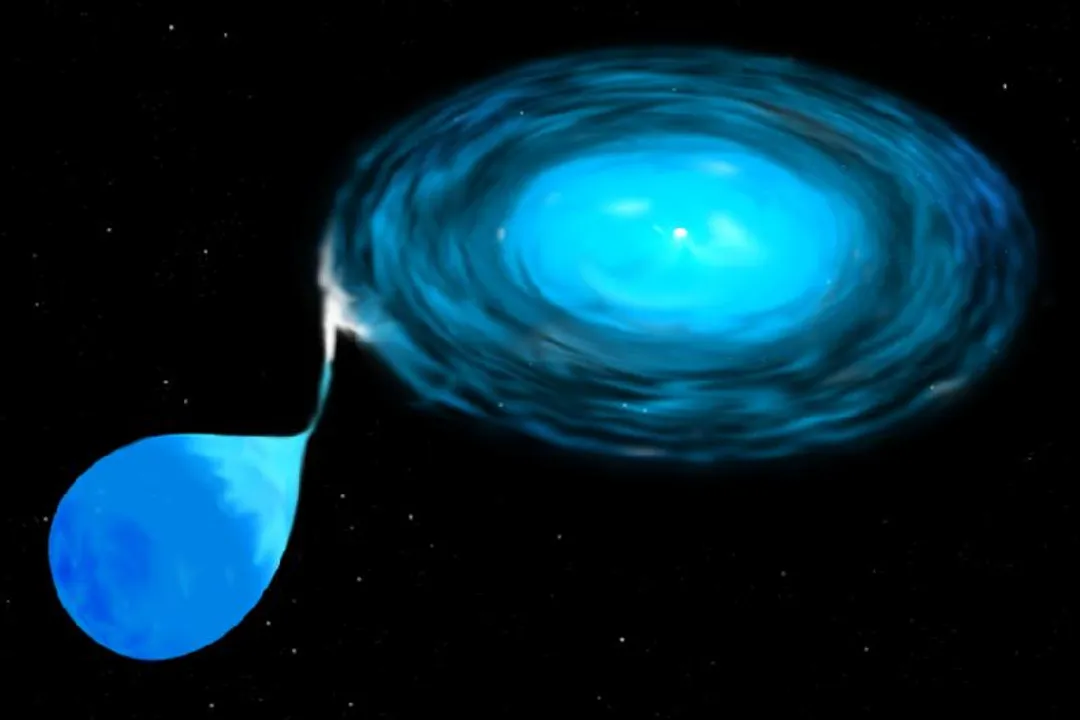
How close must a supernova explode to Earth to potentially strip away the atmosphere and render the planet uninhabitable?
Within approximately 25 light-years
While supernovae are vital for element creation, a nearby explosion poses a significant danger to life on Earth due to the intense burst of high-energy radiation, including X-rays and energetic particles, released during the blast. If such an event were to occur too close to our solar system, this radiation flood would interact violently with Earth's atmosphere. The primary threat outlined is that this energy could strip away Earth's protective atmosphere, rendering the planet permanently uninhabitable for life as we know it. The critical distance identified for this catastrophic effect is approximately 25 light-years. For context, the nearby red supergiant Betelgeuse, located about 640 light-years away, would be safe even if it exploded today, though it would still appear visually spectacular.