Which specific types of high-level clouds produce the ice crystals necessary for a lunar halo?
Answer
Cirrus or cirrostratus clouds
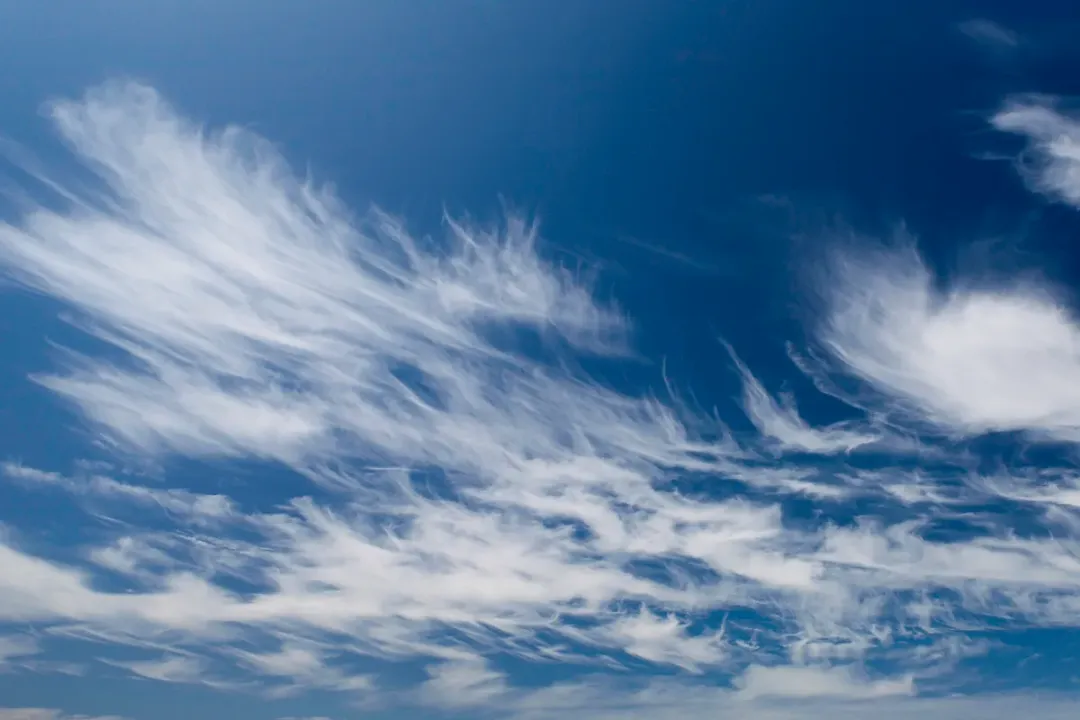
The formation of a lunar halo is intrinsically linked to specific meteorological conditions characterized by the presence of very high-level clouds, namely cirrus or cirrostratus. These clouds exist at altitudes typically exceeding 20,000 feet, where ambient temperatures are consistently below freezing, ensuring that any water vapor freezes into crystalline structures rather than remaining as liquid droplets. Cirrostratus clouds are particularly effective producers because they often spread out as a thin, extensive veil across the sky, allowing moonlight to pass through unimpeded enough to create the visible prismatic effect.
#Videos
What is a lunar halo? - YouTube
Related Questions
What optical phenomenon causes the luminous ring known as a lunar halo?What precise minimum angle reflects light refraction by common hexagonal ice crystals in a lunar halo?Which specific types of high-level clouds produce the ice crystals necessary for a lunar halo?Approximately how many times the Moon's diameter must be stacked to span the $22^ ext{o}$ circle outward to the ring?What inherent geometric property of ice dictates the $22^ ext{o}$ minimum deviation angle for the halo?In mid-latitude areas, what weather condition often follows the appearance of a high-level lunar halo?For the $22^ ext{o}$ halo to form, what specific angle must the exit face be relative to the entry face of the hexagonal ice crystal?What observation suggests turbulence within the high cloud layer when viewing a lunar halo?Besides the $22^ ext{o}$ halo, what other, larger halo is sometimes produced by moonlight interacting with ice crystals?What angular span, measured by a fully stretched hand at arm's length, can help an observer estimate the $22^ ext{o}$ halo?