What specific altitude above sea level do the United States Air Force and NASA officially recognize for awarding astronaut wings?
Answer
50 miles
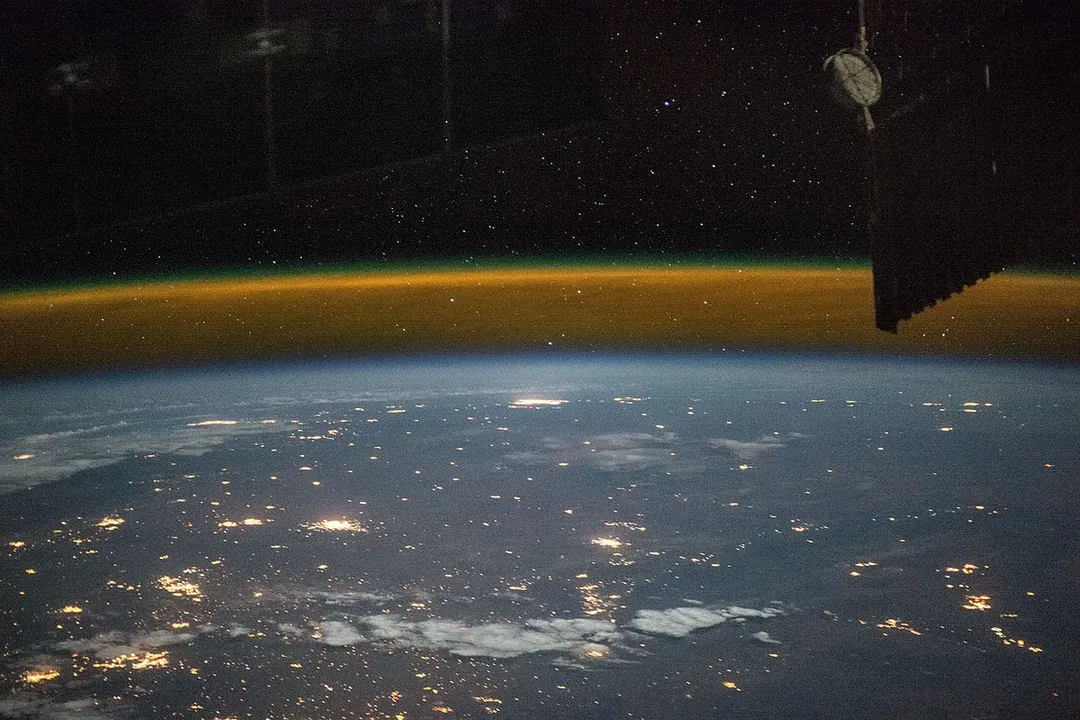
While 100 kilometers is the primary international standard, both the United States Air Force (USAF) and NASA officially utilize a different boundary when determining the qualification for awarding astronaut wings. This American standard is established at 50 miles above sea level. When converted to metric units, this 50-mile standard equates to approximately 80 kilometers, representing a measurable gap between the conventional international definition and the operational definitions used by major US agencies for astronaut qualification purposes.
#Videos
Scientific and Technical Aspects of the Karman Line - YouTube
Related Questions
Which individual is credited with defining the internationally recognized Kármán line boundary?What is the standard altitude in kilometers for the Kármán line accepted by the FAI?What specific altitude above sea level do the United States Air Force and NASA officially recognize for awarding astronaut wings?What calculation determined the Kármán line where flight relies on orbital mechanics instead of aerodynamic lift?Above what reference point is the Kármán line altitude of 100 kilometers measured?What is the fundamental nature of the Kármán line boundary definition?Which organization is standardly recognized for accepting the 100-kilometer demarcation for defining space?What approximate altitude in kilometers corresponds to the 50-mile standard recognized by NASA and the USAF?Crossing the Kármán line has major ramifications for which aspect of global governance?What phenomenon persists for Low Earth Orbit (LEO) satellites operating well above the 100 km Kármán line?