Who made the Kármán line?
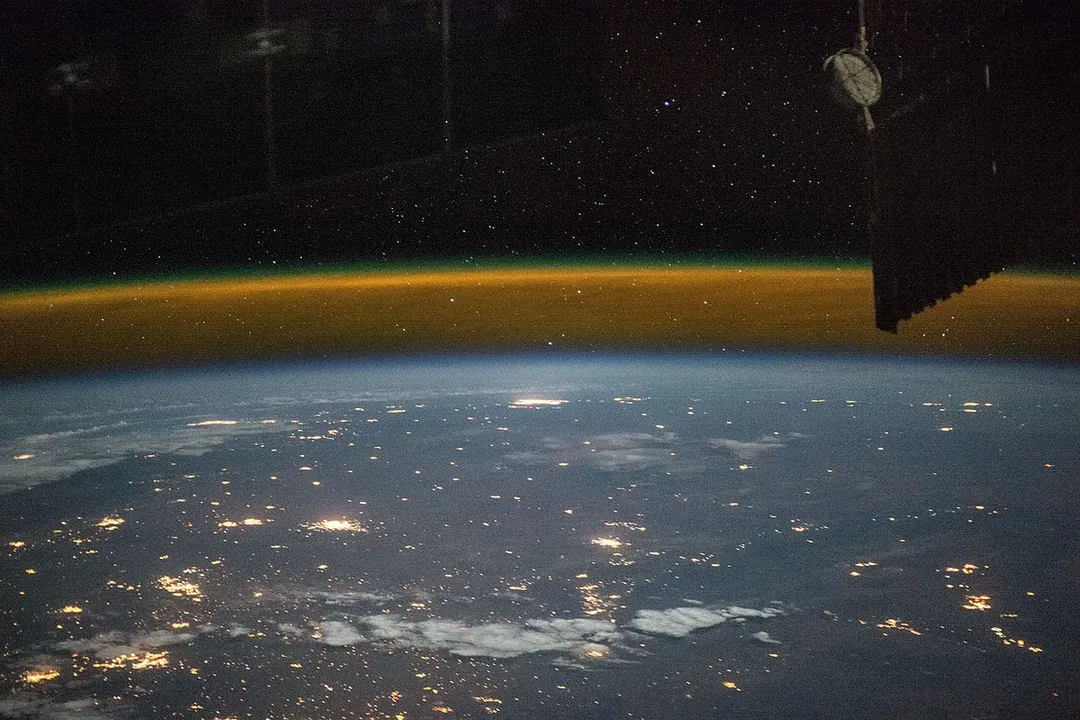
The boundary separating Earth’s atmosphere from the vacuum of outer space is an abstract concept until a specific altitude is assigned to it, and the person credited with defining this crucial demarcation is Theodore von Kármán. [1][2][3][5][8] This internationally recognized limit, known as the Kármán line, stands at 100 kilometers (62 miles) above mean sea level. [1][2][5][8] It is not a physical wall or a sudden environmental shift, but rather a calculated convention established by the brilliant Hungarian-American aerospace engineer. [1][3]
# The Proponent
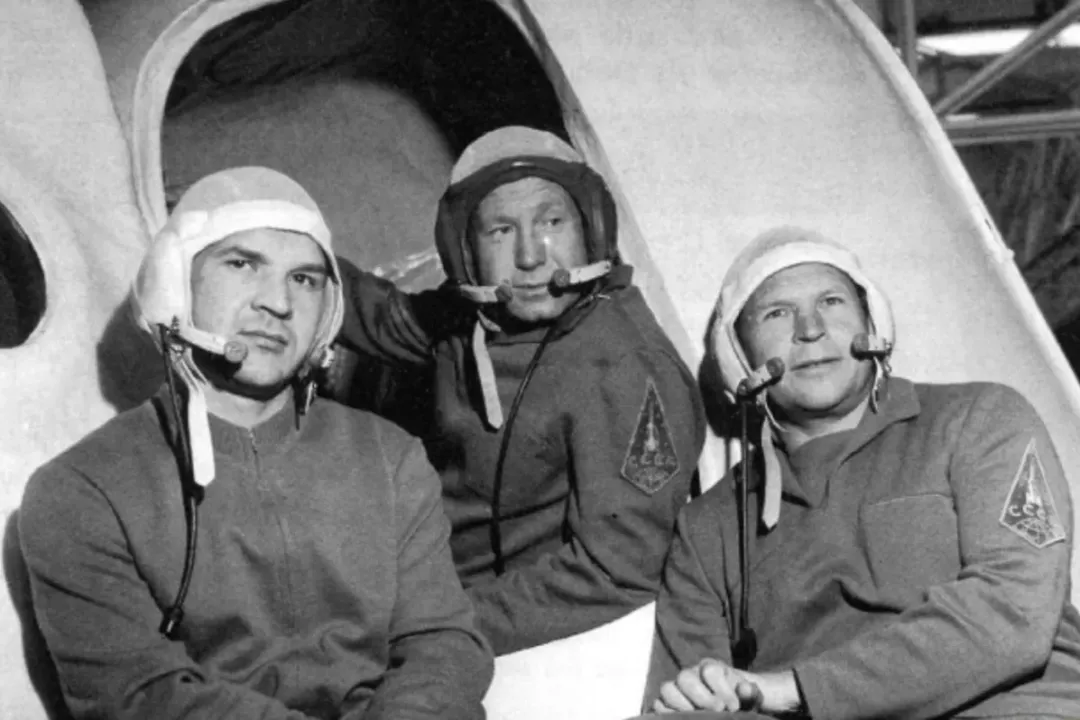
Theodor von Kármán was a towering figure in 20th-century aerodynamics and astronautics. [1] His background provided the precise scientific foundation necessary to propose such a significant boundary. [3][5] Born in Budapest, he eventually immigrated to the United States, becoming a central figure in American rocketry and aeronautics research. [1] His expertise lay in understanding the forces acting on objects moving through an atmosphere, particularly at the intersection of conventional flight and rocketry. [2]
# Aerodynamic Threshold
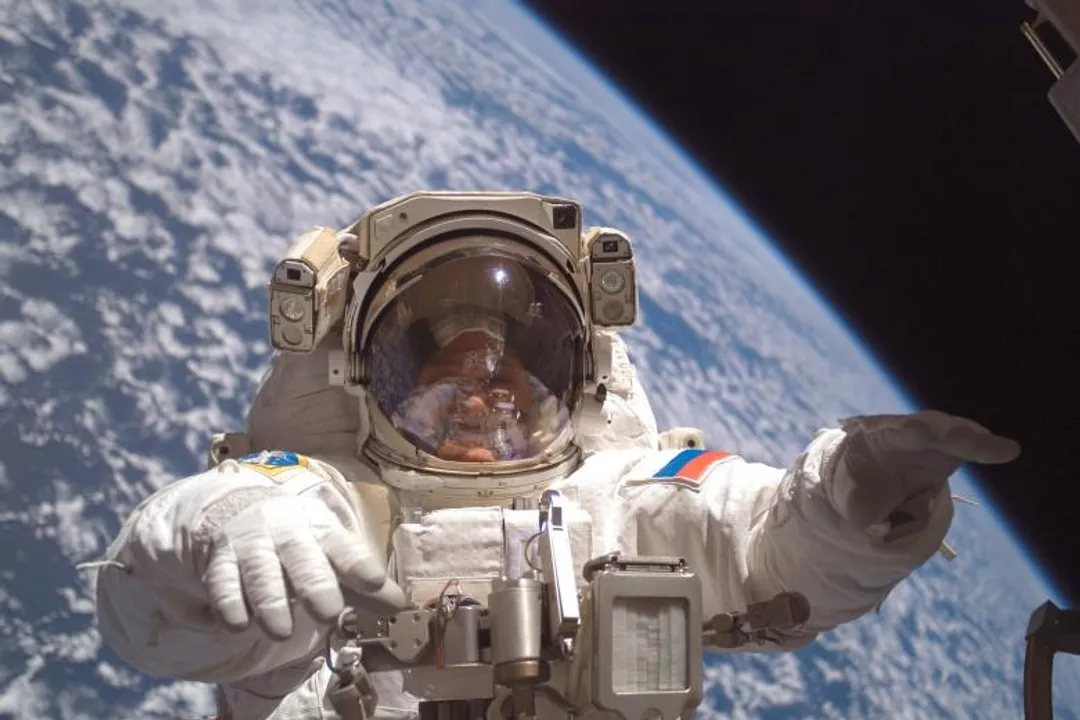
The proposal for the 100-kilometer mark was not arbitrary; it stemmed from rigorous scientific reasoning regarding how flight becomes impossible due to diminishing air density. [1][2] Von Kármán calculated the altitude where the atmosphere becomes too thin for conventional aircraft to sustain flight using aerodynamic lift alone. [1] At this height, any vehicle attempting to remain aloft would need to achieve the necessary lift through horizontal speed, essentially following a ballistic trajectory dictated by orbital mechanics, rather than atmospheric interaction. [2]
To maintain altitude at the Kármán line, a hypothetical aircraft would need to travel so fast that its speed would approximate orbital velocity. [1] This speed requirement proved the point: once an object passes this threshold, it is essentially in space and must rely on inertia and gravity to remain aloft, rather than the air cushion that defines atmospheric flight. [2] Think of it as the point where the speed required for lift equals the speed required for orbit—a fascinating intersection of two separate domains of motion. [1]
# Altitude Comparison
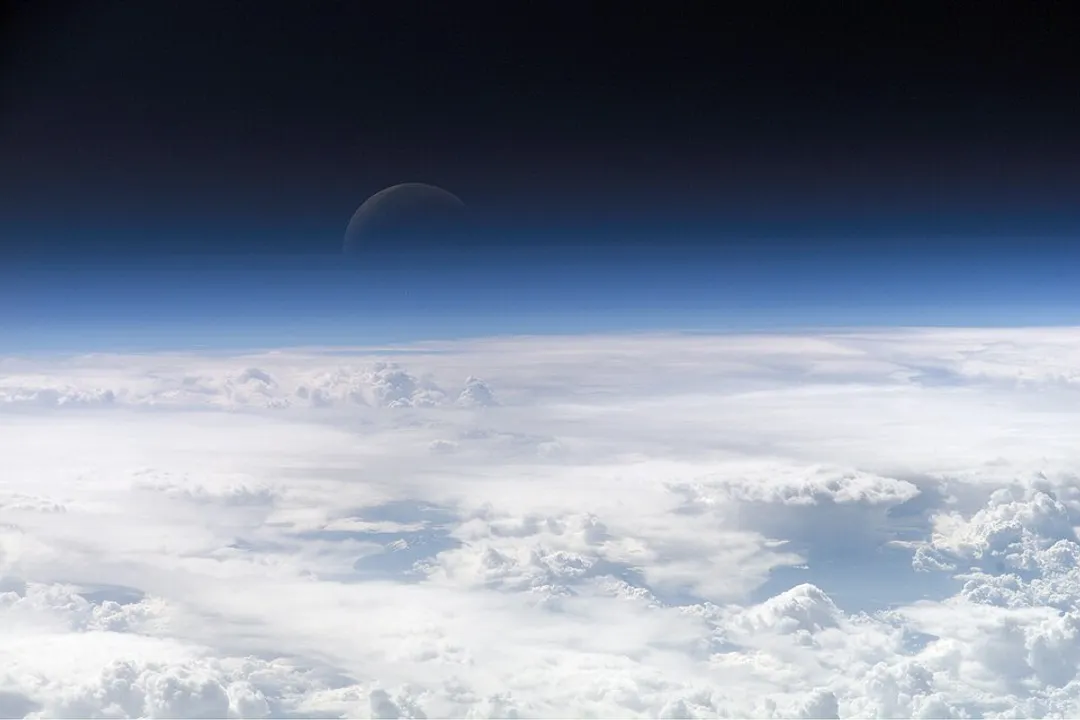
While the 100-kilometer mark is the standard accepted by the Fédération Aéronautique Internationale (FAI) and generally recognized globally, [1][2][8] it is worth noting that not every governing body uses this precise metric. [1] For instance, both the United States Air Force and NASA officially recognize a different boundary for awarding astronaut wings. [1] This American standard is set at 50 miles above sea level. [1]
For engineers and scientists working with metric units, the difference might seem small, but it represents a measurable gap in definition:
| Definition | Altitude (Kilometers) | Altitude (Miles) | Recognizing Body (General) |
|---|---|---|---|
| Kármán Line | 100 km | ~62.14 miles | FAI, International Standard |
| U.S. Standard | 80 km | 50 miles | NASA, USAF |
It is interesting to consider that while Von Kármán's 100 km is the international de facto standard for defining space for many purposes, the practical requirements for astronaut qualification in the US adhere to a lower, though still significant, boundary of 80 km. [1][8] This difference highlights that even in defining "space," there remains a conventional separation between theoretical physics and national operational definitions. [1]
# A Conventional Boundary
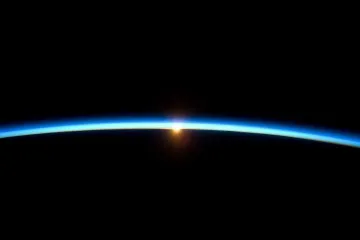
The fact that the Kármán line is an internationally accepted convention rather than a physically marked line is important to grasp. [1] The atmosphere doesn't suddenly cut off at 100 kilometers; it gradually thins out over a vast distance. [5] Traces of the atmosphere extend much farther—the exosphere blends into interplanetary space far above this line. [1] The Kármán line simply offers a consistent, agreed-upon benchmark for when a vehicle's trajectory is primarily governed by orbital mechanics rather than atmospheric drag. [2] This consistency is why organizations around the world rely on it for everything from awarding astronaut wings to discussing aerospace treaties. [1]
# Spaceflight Implications
The significance of the Kármán line is most visible when looking at the history of spaceflight and the legal implications of crossing it. [6] Any vehicle or person that crosses this line is generally considered to have entered outer space. [8] For the astronauts of the Soyuz 11 mission, for example, the line was an important, if tragic, demarcation; their deaths occurred during the re-entry phase, placing their final moments within the operational domain defined by this boundary. [6]
This conceptual boundary also impacts international law and the definition of airspace versus outer space, which has major ramifications for national sovereignty and space exploration treaties. [1] Without a clear definition, determining where atmospheric aviation ends and space operations begin would be endlessly debated, making standardized mission planning impossible. [1] The clarity Von Kármán provided, even through a calculated estimate, offers the necessary structure for international cooperation in the domain above Earth. [2]
# Realities of Drag
Although the 100 km line is a firm boundary on paper, the reality for any object operating near it involves fighting persistent, albeit faint, atmospheric resistance. [1] For instance, Low Earth Orbit (LEO) satellites often operate well below the 100 km mark—perhaps between 300 and 2,000 kilometers up. [1] Even at these much higher altitudes, there is still some residual atmospheric drag, often referred to as "atmospheric drag" or "orbital drag," which causes orbits to decay slowly over time. [1] This means that even objects generally considered to be deep in space still interact with a sparse layer of the atmosphere defined by Von Kármán’s calculations. It serves as a useful conceptual anchor for classifying flight regimes, even if the precise atmospheric effects taper off gradually rather than stopping abruptly at the line itself. [1] The 100 km mark effectively separates the realm where propulsive thrust must constantly overcome significant drag (sub-orbital flight) from the realm where thrust is primarily needed for orbital maneuvers or escaping Earth’s influence. [2]
# Further Definition
While the FAI defines the line, other organizations have formalized their own standards, underscoring that the definition remains a matter of procedural agreement rather than absolute geophysical certainty. [1] One interesting point that often goes unmentioned is the variation in how the line is measured—it is determined based on the altitude above mean sea level. [8] This removes local topographical variations, like mountains or ocean trenches, ensuring that the calculation remains standardized regardless of where the vehicle is ascending from. [1] The work of Theodore von Kármán provided the initial scientific authority, but the subsequent adoption by bodies like the FAI is what cemented the 100 km figure as the authoritative standard across most of the world. [1][8]
#Videos
Scientific and Technical Aspects of the Karman Line - YouTube
Related Questions
#Citations
Kármán line - Wikipedia
Across Karman FAQ - Wilson Center
Where does space begin? Have you heard of the Kármán line ...
The Karman Line: Defining the Edge of Space - Skyscrapers, Inc.
Deaths in Space: Karman Line & Soyuz 11 Aboard
Scientific and Technical Aspects of the Karman Line - YouTube
Kármán line | Research Starters - EBSCO