What is maria made of?
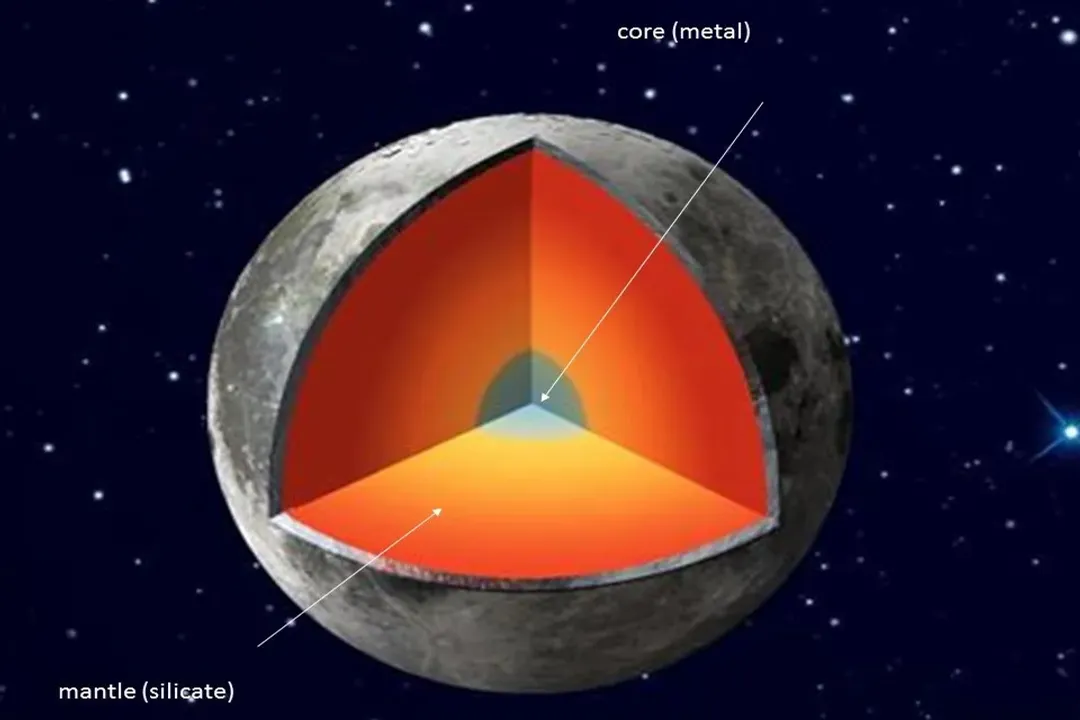
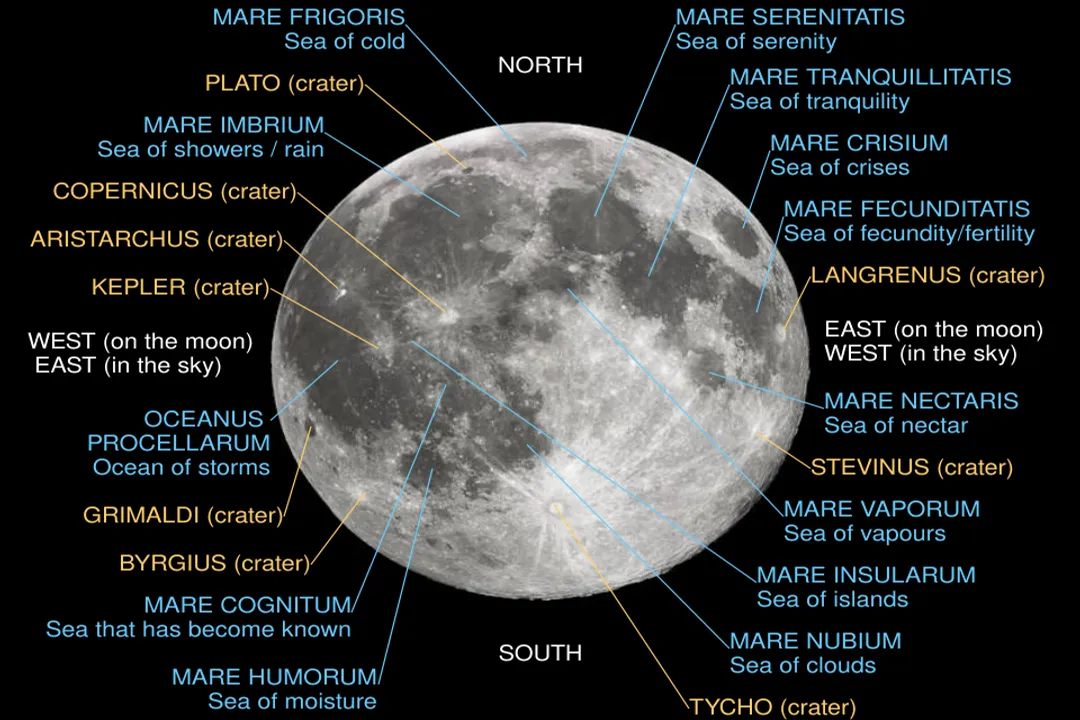
The vast, dark patches visible on the Moon’s surface have captivated sky-gazers for centuries. These regions, known collectively as the maria (Latin for "seas"), were once imagined by early observers, including Galileo, to be great bodies of water, hence their nomenclature. [1][3][5] However, these lunar seas are not liquid at all; they are extensive plains composed of ancient, solidified volcanic rock. [2][5][7][9] Understanding what the maria are made of requires looking past the initial visual impression and examining their geological origins and mineral makeup.
# Dark Plains
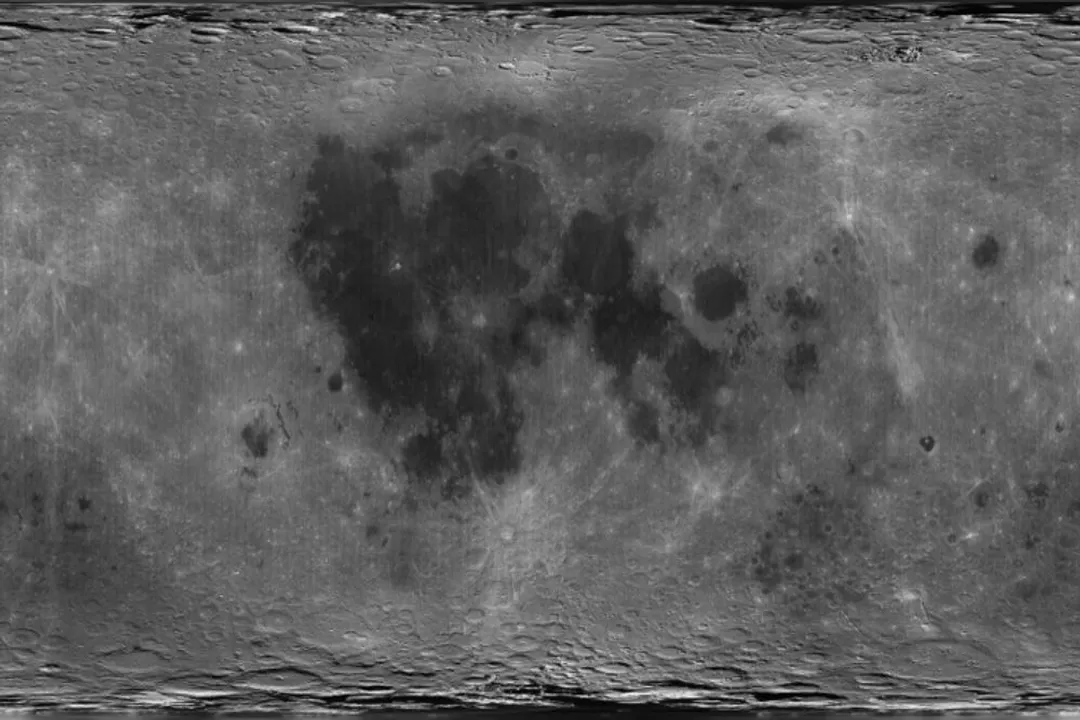
The most striking characteristic of the maria is their color. They appear significantly darker than the brighter, heavily cratered areas of the Moon, which astronomers call the terrae, or highlands. [1][3][9] This difference in brightness stems directly from the rock type that forms the surface material. [3] The maria are dark because the volcanic rock that covers them is rich in minerals containing iron and titanium. [1][3][9] These minerals are efficient at absorbing sunlight, making the plains appear dusky when viewed from Earth or in low-resolution images. [9] In stark contrast, the highlands are predominantly made of lighter-colored rock, primarily anorthosite, which reflects much more sunlight. [1][3][9]
# Basalt Rock
Geologically speaking, the material making up the maria is basalt. [2][9] Basalt is a dark, fine-grained, igneous rock that forms from the rapid cooling of lava rich in magnesium and iron, closely mirroring the composition of Earth’s oceanic crust. [2][9] On the Moon, these solidified lava flows are what define the maria. [5][7] While basalt is the overarching classification, the specific chemical makeup can vary slightly across different maria, particularly concerning the concentration of titanium. [8] Some lunar basalts exhibit a much higher titanium content than what is typically found in terrestrial basalt flows. [8] Other common minerals found within this lunar basalt matrix include pyroxene, olivine, and plagioclase feldspar. [2][8]
# Flooding Events
The existence of these plains is a testament to massive, ancient volcanic activity that reshaped the lunar landscape long after its initial formation. [5] The process began with colossal impacts that struck the Moon, creating enormous, deep depressions known as impact basins. [4][5] These basins represented areas where the Moon's crust was thinned and fractured. [3] Sometime after these initial, cataclysmic collisions, magma from deep within the Moon began to rise through these crustal weaknesses. [4][5] This molten material erupted onto the surface, flooding the low-lying impact basins with fluid lava. [5][9] This eruption phase occurred primarily between about 3 and 4 billion years ago, during or shortly after the period known as the late heavy bombardment. [3][8] Because the lava filled the lower impact structures, the maria surfaces are generally lower in elevation compared to the surrounding highlands. [1][3]
The volume of material required to create features spanning hundreds or thousands of kilometers suggests an immense outpouring of molten rock, though this activity ceased billions of years ago. [8]
# Highland Contrast
To truly grasp the composition and age of the maria, it is helpful to contrast them directly with the lunar highlands. [1][3]
| Feature | Lunar Maria (Seas) | Lunar Highlands (Terrae) |
|---|---|---|
| Primary Rock | Basalt (Igneous, volcanic) [2][9] | Anorthosite (Plutonic, intrusive) [1][3] |
| Color | Dark (High iron/titanium content) [1][9] | Bright (Lighter minerals) [1][3] |
| Crater Density | Lower, smoother surface [1] | Higher, rougher surface [1][3] |
| Relative Age | Younger (Flooded later) [3] | Older (Original crust) [3] |
It is a classic geological pairing: the highlands represent the older, original crust of the Moon, while the maria represent younger, later resurfacing events. [3] Analyzing the thickness of the crust beneath these features reveals another key difference that speaks to the physics of the eruption. Beneath the maria, the crust is relatively thin, which allowed the buoyant magma to reach the surface more readily following the initial thinning caused by the impacts. [4] In contrast, the much thicker crust of the highlands acted as a far more effective barrier against subsequent volcanic intrusions. [4] This difference in crustal structure dictated where the lava could travel and pool, effectively sculpting the familiar face of the near side of the Moon. [4]
# Age Differences
The relatively smooth texture and lower crater count of the maria also provide a clue to their age—they are younger than the highlands. [1][3] Impact craters are constantly being formed on the Moon due to micrometeorites and larger objects colliding with the surface. [1] Because the maria surfaces were established by lava flows covering the older, heavily cratered terrain, they have had less time to accumulate impacts. [3] Therefore, when mission planners consider future landing sites, the maria often present flatter, more accessible terrain than the rugged, heavily bombarded highlands, though the basaltic rock itself is generally harder and more abrasive than the anorthosite found in the lighter areas. [1] This contrast between rough terrain and smooth lava plains influences everything from scientific sampling strategy to proposed base construction, making the choice between a highland or mare landing site a decision based as much on accessibility as on rock composition. [1]
Related Questions
#Citations
Lunar mare - Wikipedia
Lunar maria | Research Starters - EBSCO
Surface Properties of the Moon
Origin of lunar maria : r/askastronomy - Reddit
Lunar maria or 'seas' formed when lava flooded impact basins ...
PSRD Hot Idea: Titanium in lunar maria
Moon Composition - NASA Science
Lunar Maria - Serious Science