How are maria formed?
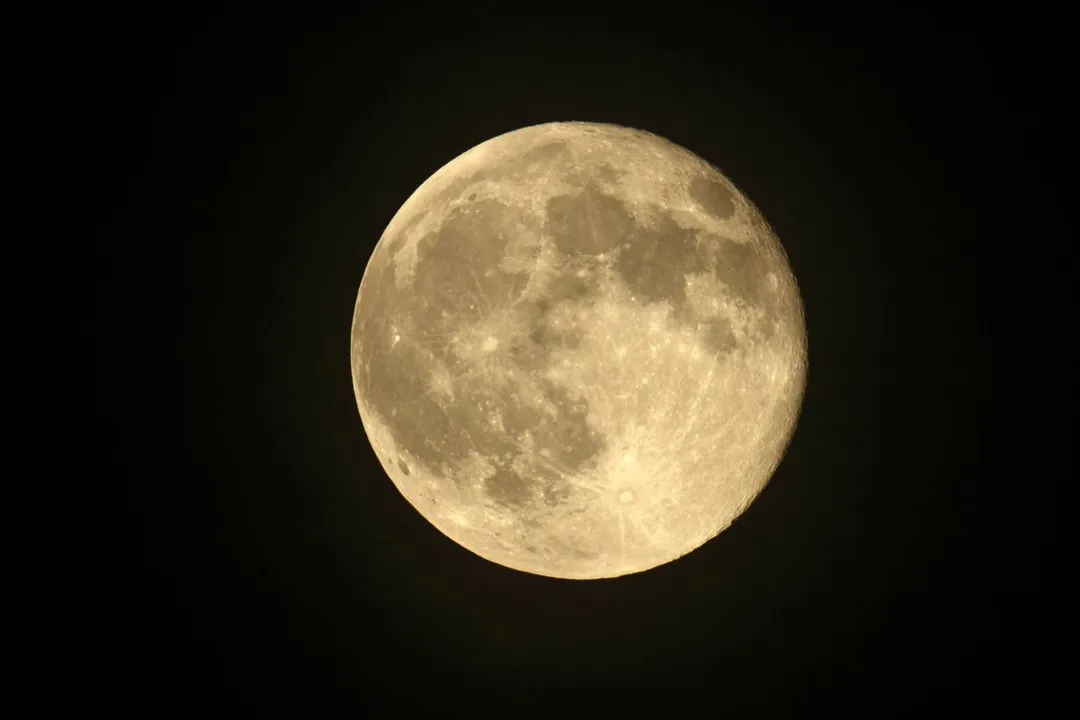
The dark, sprawling patches visible across the Moon’s face have captivated observers for centuries. These features, known scientifically as maria (singular mare), are not bodies of water, as the original observers believed, but vast plains composed of ancient, solidified volcanic rock. Understanding their formation requires looking back billions of years to a time when the Moon was undergoing intense bombardment and significant internal geological activity.
# Naming History
The name itself is a historical artifact. Early astronomers, viewing the Moon through telescopes, mistook these smooth, dark areas for seas—hence the Latin term mare, meaning "sea". Even though we now know they contain no liquid water, the names have stuck, such as the famous Mare Tranquillitatis, the Sea of Tranquility. These areas represent one of the Moon's most recognizable surface features, covering about 17% of the lunar surface, though they are unevenly distributed, being far more prevalent on the near side than the far side.
# Initial Scars
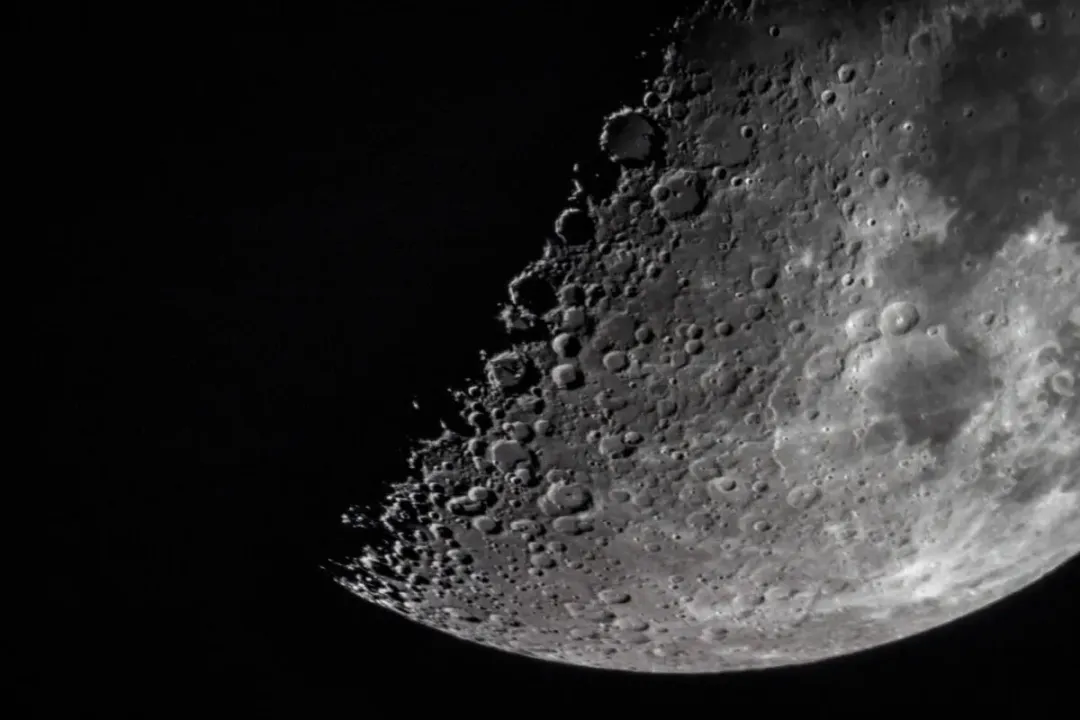
The formation of the maria is intrinsically linked to the Moon’s earliest, most violent history—the period of intense impact cratering. The sheer number of massive asteroid and comet impacts during this time literally fractured the Moon’s crust. These impacts didn't just create surface scars; the largest collisions excavated enormous depressions, known as impact basins, some hundreds of kilometers wide. These basins represent the negative space, the prerequisite geography, for the maria to eventually form.
The primary insight here is recognizing the scale of excavation required. For a vast lava flow to pool and spread across thousands of square kilometers, the originating impact must have punched through or severely weakened the lunar crust down to depths where magma reservoirs resided. A simple surface scratch wouldn't suffice; these were catastrophic breaches allowing deep crustal material to interact with the surface environment.
# Magma Rises
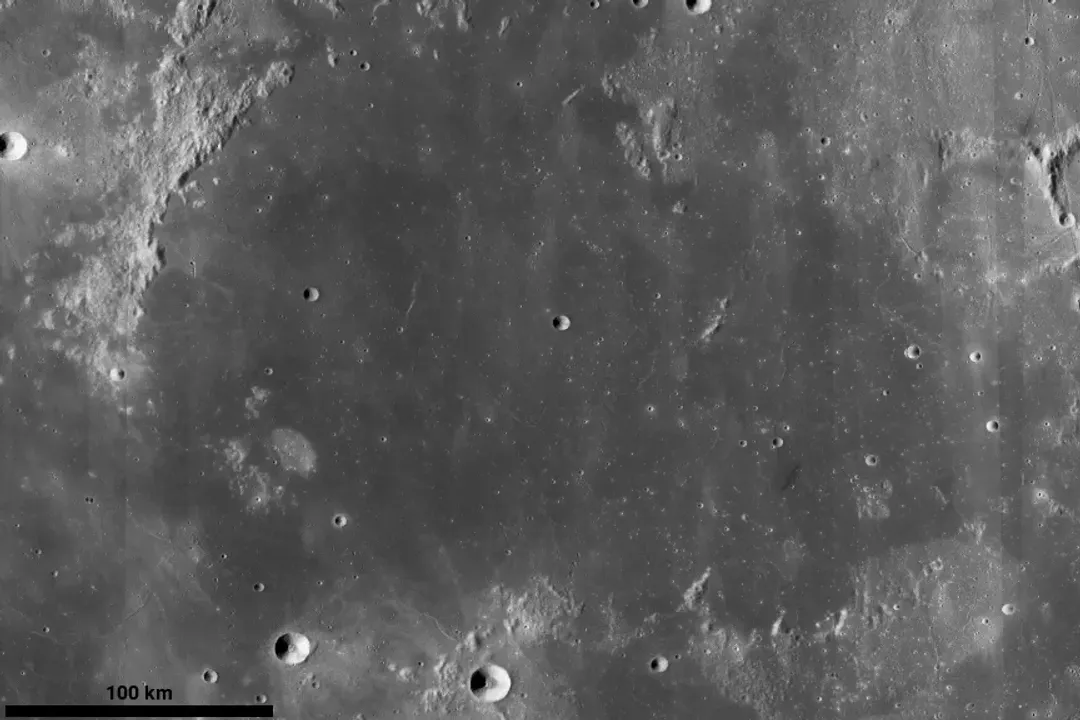
Once these massive, deep impact basins were established, the stage was set for volcanism. The impact event itself, by fracturing the brittle outer layers of the Moon, may have also triggered or significantly aided the decompression melting of the mantle material beneath. This material rose as low-viscosity, basaltic lava. Because the lava was runny, it spread out quickly, flooding the lower elevations of the impact basins in successive layers over millions of years.
This process is termed flood basalt volcanism. Unlike the conical volcanoes we see on Earth, lunar maria were formed by these immense, thin flows emanating from cracks or fissures in the crust, covering the crater floors and creating the relatively flat, smooth plains we observe today. This process continued for a long period, with the flows occurring significantly later than the impacts that created the basins themselves.
# Composition Contrast
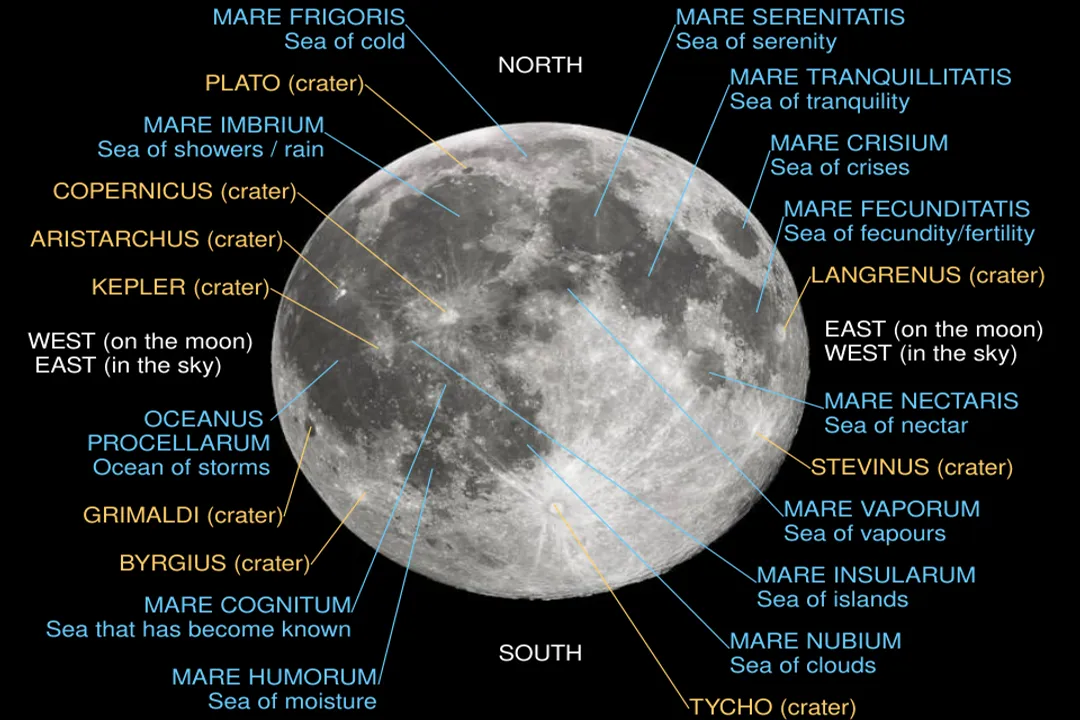
The reason the maria look so distinctly different from the lighter, heavily cratered lunar highlands lies in their chemical makeup. The highlands are predominantly composed of anorthosite, a lighter-colored rock rich in the mineral plagioclase feldspar. In sharp contrast, the maria are dark because they are made of basalt, an igneous rock similar to what makes up Earth's ocean floors.
Lunar basalt, the material that solidified to form the maria, is characterized by a higher concentration of heavier elements, specifically iron and titanium, compared to the surrounding terrae (highlands). This iron content is the primary reason for the darker, less reflective appearance, often referred to as low albedo.
To better illustrate the compositional differences that govern the surface appearance:
| Feature | Primary Rock Type | Relative Color | Key Elemental Signature | Age Relative to Maria Formation |
|---|---|---|---|---|
| Maria | Basalt | Dark | High Iron and Titanium | Younger |
| Highlands (Terrae) | Anorthosite | Light | High Feldspar Content | Older |
This chemical distinction provides a crucial layer of confirmation for the volcanic origin theory; the composition matches terrestrial lava that has flowed freely and cooled quickly.
# Timing Events
The sequence of geological events is critical to understanding the maria's formation. The Moon formed about 4.5 billion years ago, and the period of massive impacts, often called the Late Heavy Bombardment, occurred within the first billion years. The impact basins—the molds for the maria—were formed during this intense early bombardment phase.
However, the outpouring of lava that filled these basins was a comparatively later event. While the earliest flows began around 3.8 billion years ago, the major period of mare volcanism generally ceased around 3.0 to 3.2 billion years ago, long after the initial crust was fully formed and solidified. This difference in timing explains why the maria, despite being formed from relatively fluid lava, are less densely cratered than the older highlands; they simply haven't existed as a surface feature for as long as the surrounding terrain.
# Surface Appearance
The smooth, dark surface is a direct function of when and how the lava solidified. Once the lava flowed and covered the rough terrain of the impact basin, it cooled relatively quickly into a flat expanse of rock. Because the major phase of volcanic outgassing and lava flow stopped billions of years ago, the maria have not experienced significant resurfacing since then, meaning that subsequent, smaller meteorite impacts have created craters on top of the basalt plains, but the overall smoothness remains.
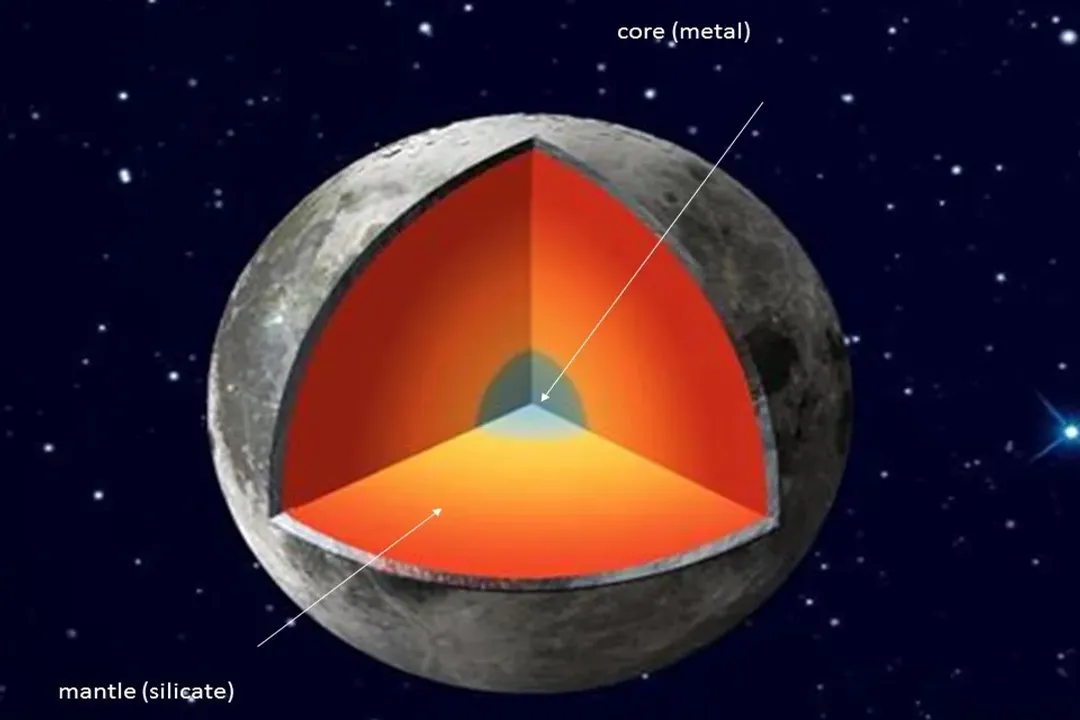
Considering the extreme antiquity of these flows, it is interesting to reflect on the lack of geological activity now. Unlike Earth, which recycles its crust via plate tectonics, the Moon cooled much faster. This effectively "locked in" the surface features—the ancient impacts and the subsequent lava plains—making the maria a geological time capsule of a very specific, violent epoch in lunar history. The presence of rilles (collapsed lava tubes) and wrinkle ridges across the mare surfaces also attests to the cooling and contraction of these thick lava deposits after they settled, providing tangible evidence of the thermal stresses involved in their creation.
#Videos
How were the Moon's Craters & Maria Formed? - YouTube
Related Questions
#Citations
Lunar mare - Wikipedia
Origin of Lunar Maria | GSA Bulletin | GeoScienceWorld
Lunar maria | Research Starters - EBSCO
Origin of lunar maria : r/askastronomy - Reddit
Lunar maria: a complete guide to the seas of the Moon
How were the Moon's Craters & Maria Formed? - YouTube
Mare | Lunar Feature, Origin, Characteristics & Types - Britannica
Lunar Maria - an overview | ScienceDirect Topics
Flexi answers - How did the maria form? | CK-12 Foundation
Moon Composition - NASA Science