What is maria on the Moon made of?
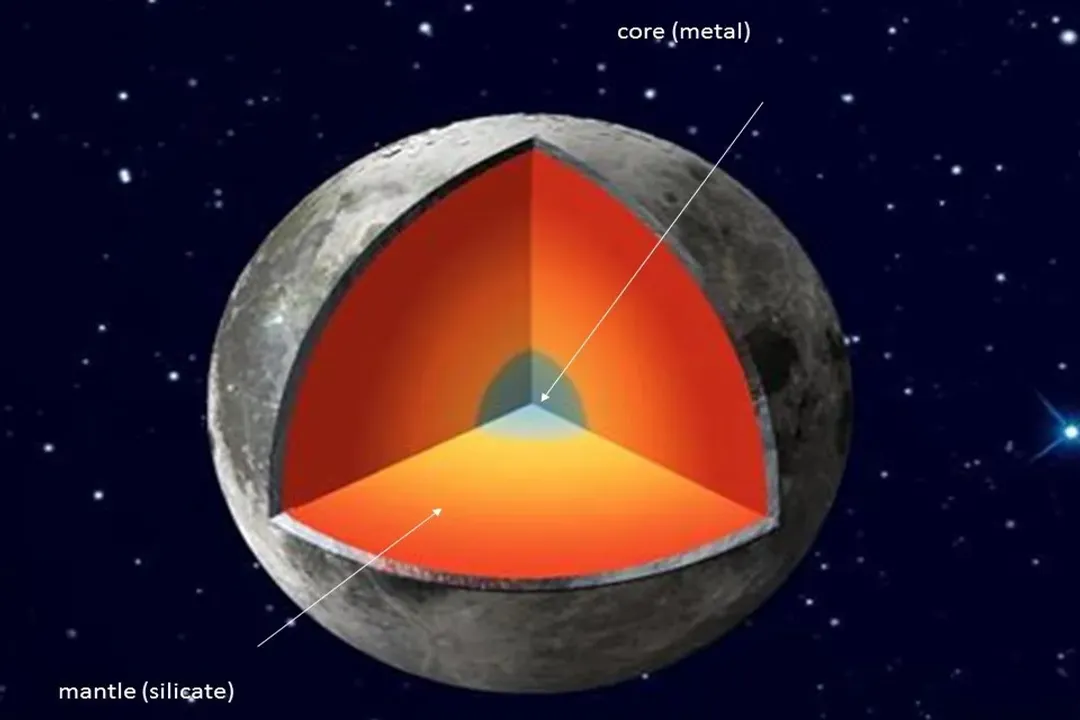
The vast, dark patches scattered across the near side of the Moon are a striking feature visible even to the naked eye, often referred to as the lunar maria. These are not seas of water, as early astronomers once believed, but immense plains composed primarily of ancient, solidified volcanic rock. [1][8][9] To understand what the maria are made of is to understand a fundamental chapter in the Moon's geological history, one dominated by tremendous outpourings of lava that dramatically reshaped the lunar surface long ago. [2][7]
# Primary Material
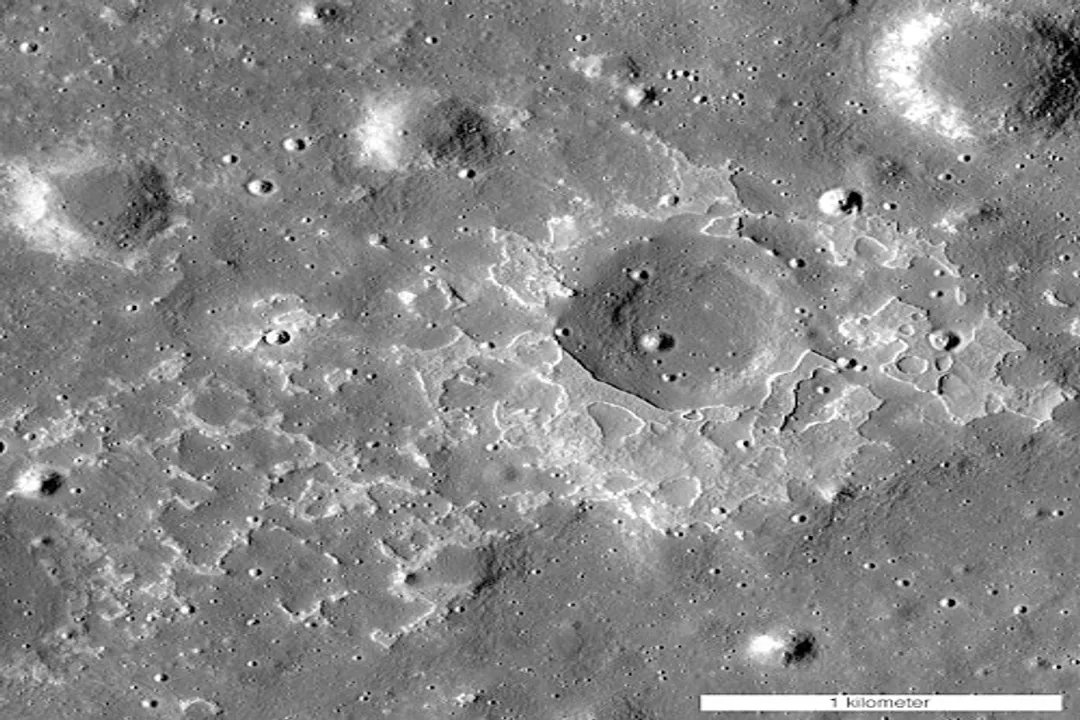
The key constituent defining the material of the maria is basalt. [1][2][3][5][6][8][9] This rock type forms the foundation of these plains, which stand in stark contrast to the brighter, heavily cratered regions known as the highlands. [1][5] The maria themselves are essentially ancient lava flows that settled into and filled some of the largest impact basins on the Moon. [1][2][6][9] The material that makes up these plains erupted as massive flows of basaltic lava, [5] which were notably low in viscosity, allowing them to spread out across vast distances before cooling and hardening. [5][7]
These lava floods created relatively smooth terrain compared to the older, rugged highlands. [1] While the surface we see today is hard, igneous rock, its origin lies in a period of intense internal heating and subsequent volcanism that occurred deep within the Moon’s past. [2][5] The sheer volume of this erupted material suggests a period where magma reservoirs beneath the crust were tapped extensively, creating flows that covered areas equivalent to the size of continents if they were on Earth. [7]
# Chemical Signature
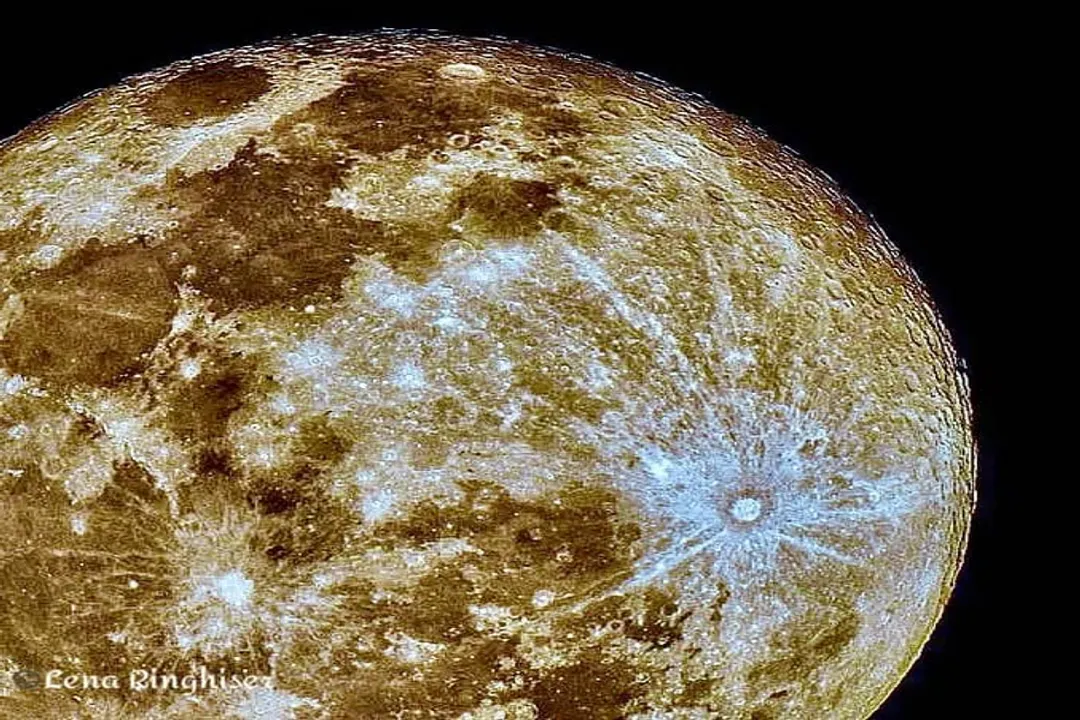
The most immediate characteristic differentiating the maria from their surroundings is their color. They appear significantly darker than the lighter-hued highlands. [1][8] This visual difference is a direct consequence of their differing chemical makeup. [1] While the lunar crust overall is predominantly composed of anorthosite—a rock rich in the mineral plagioclase feldspar—the maria basalts contain much higher concentrations of iron-bearing minerals. [3][5][7]
Specifically, the darker coloration stems from the higher abundance of minerals containing iron and magnesium within the basaltic rock compared to the highland material. [1][8] Geochemical analysis of samples returned from these regions confirms the presence of key dark silicates. [3][7] The primary dark minerals identified within the mare basalt include pyroxene and olivine. [3][7] Furthermore, the basalt often contains significant amounts of ilmenite, another iron-titanium oxide mineral that contributes to the overall dark, dense character of the rock. [7] This makes the mare basalts inherently iron-rich. [7]
When one considers the composition, it is interesting to note how strongly the visual appearance is tied to a relatively simple chemical variation. The highlands, being dominantly anorthosite, reflect sunlight well due to the lighter plagioclase feldspar; the maria, conversely, absorb more light because of the iron and magnesium silicates. [1][5] This simple contrast in mafic (magnesium-iron rich) content versus felsic (feldspar-rich) content is what dictates the appearance of the Moon as viewed from our planet. [1][3]
# Contrast with Highlands
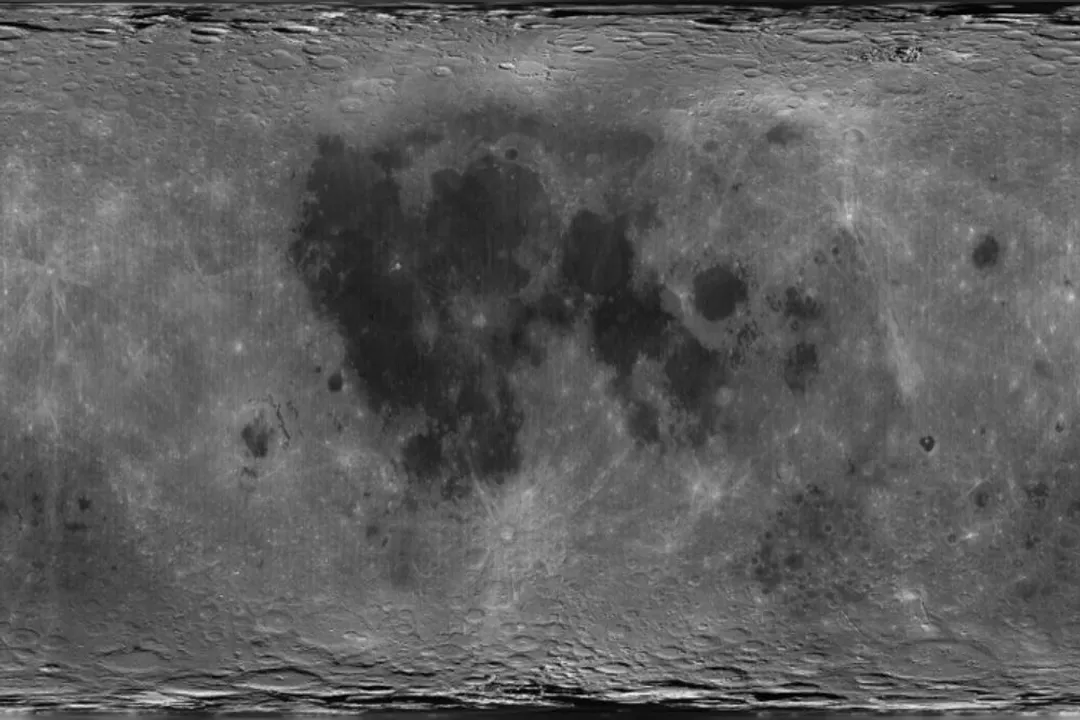
To truly appreciate the composition of the maria, one must consider what they are not made of, which brings us back to the highlands. [5] The highlands are older and represent the Moon's original crust, formed when much of the Moon was molten, allowing lighter minerals to float to the top in a process called global magma ocean solidification. [3][5] This primary crust is dominated by anorthosite, which is rich in plagioclase feldspar. [3][5]
The material that later formed the maria—the basalt—is chemically distinct because it originated from magma that welled up from deeper within the Moon after the initial crust formation. [5][7] This magma had separated from the lighter minerals already present in the crust, accumulating more of the denser, iron- and magnesium-rich components during its ascent or differentiation phase. [1][7] Therefore, the maria represent a secondary resurfacing event, chemically different from the primary crust they flooded. [2][5]
Here is a simplified view of the general material contrast:
| Region | Primary Rock Type | Key Mineral Components | Relative Color |
|---|---|---|---|
| Maria | Basalt | Pyroxene, Olivine, Ilmenite | Dark |
| Highlands | Anorthosite | Plagioclase Feldspar | Light |
# Volcanic Evidence
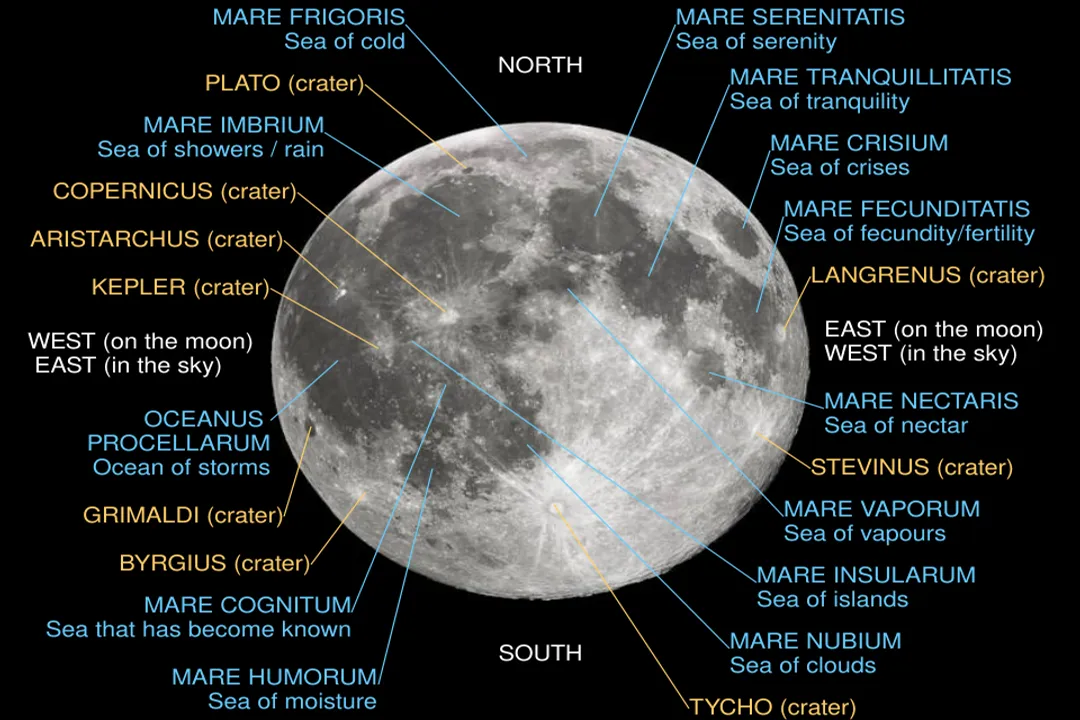
The material is basalt, but the physical state of that material tells a story of incredible geological violence. [1][6] The composition points toward a specific process: volcanism. [9] The low viscosity of the basaltic magma was critical; it meant the molten rock could travel great distances from its source vents, flooding large, bowl-shaped impact craters left by early, massive asteroid strikes. [5][7] This process of flooding the basins with lava is what created the plains, or maria (Latin for "seas"). [1][9]
A fascinating aspect of the rock chemistry, though not always explicitly detailed in the surface descriptions, is what is largely missing. Unlike many terrestrial basalts, lunar basalts, including those in the maria, are notably anhydrous—they contain virtually no water or water-bearing minerals. [5] This lack of volatile elements confirms the Moon's extremely dry internal conditions when these flows solidified, setting them apart from volcanic rocks formed on a water-rich planet like Earth. [3][5] The chemistry, therefore, speaks not only to the presence of iron and magnesium but also to the extreme vacuum and dryness that defined the Moon's deep interior environment during this eruptive phase. [7] The solidification process was purely thermal, not influenced by hydrothermal activity or surface weathering as we know it on Earth. [5]
The resulting solidified basalt is a testament to ancient, powerful eruptions that chemically reset large sections of the Moon's surface, burying older topography under vast sheets of dark, iron-rich igneous rock. [1][6][7] The dark plains are thus made of cooled, ancient fire, chemically distinct from the pale, original lunar shell they cover. [8]
Related Questions
#Citations
Lunar mare - Wikipedia
Origin of lunar maria : r/askastronomy - Reddit
Moon Composition - NASA Science
What are lunar maria on the moon's surface? - Facebook
Surface Properties of the Moon
PSRD Hot Idea: Titanium in lunar maria
Flexi answers - What is Maria on the Moon's surface? - CK-12
Lunar Maria | The Solar System Wiki - Fandom