What is the internationally recognized altitude cited as the Kármán line?
100 kilometers (about 62 miles)
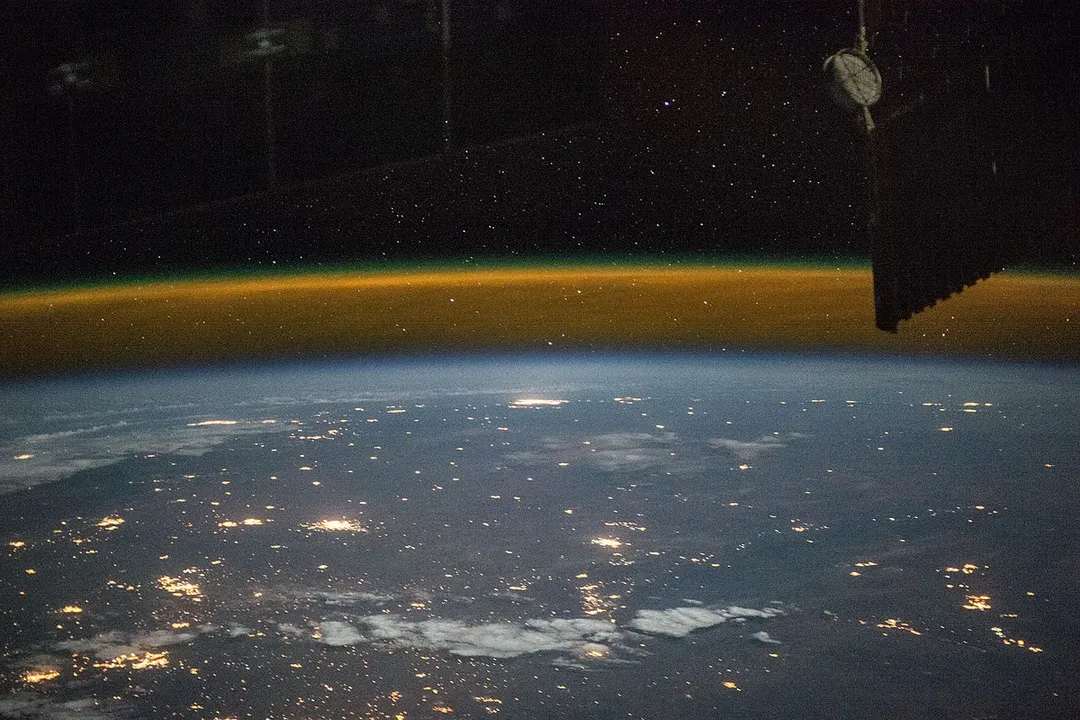
The Kármán line, which serves as the conventional boundary defining the start of outer space internationally, is set at an altitude of 100 kilometers above mean sea level. This measurement is equivalent to approximately 62 miles. This specific altitude was formally adopted through international consensus by the Fédération Aéronautique Internationale (FAI) during the 1960s. While this boundary is the globally recognized standard for classifying aeronautical and astronautical achievements, it is important to note that other jurisdictions, such as those in the United States, utilize a slightly lower demarcation point for awarding astronaut wings. The 100 km figure represents the altitude where the atmosphere becomes so tenuous that sustained, unpowered flight relying on conventional aerodynamic lift is no longer physically viable, forcing vehicles into reliance on ballistic trajectories or orbital mechanics.
#Videos
Where does outer space begin? - YouTube