What physical concept related to conventional flight fails at the Kármán line altitude?
Generating aerodynamic lift using conventional wings
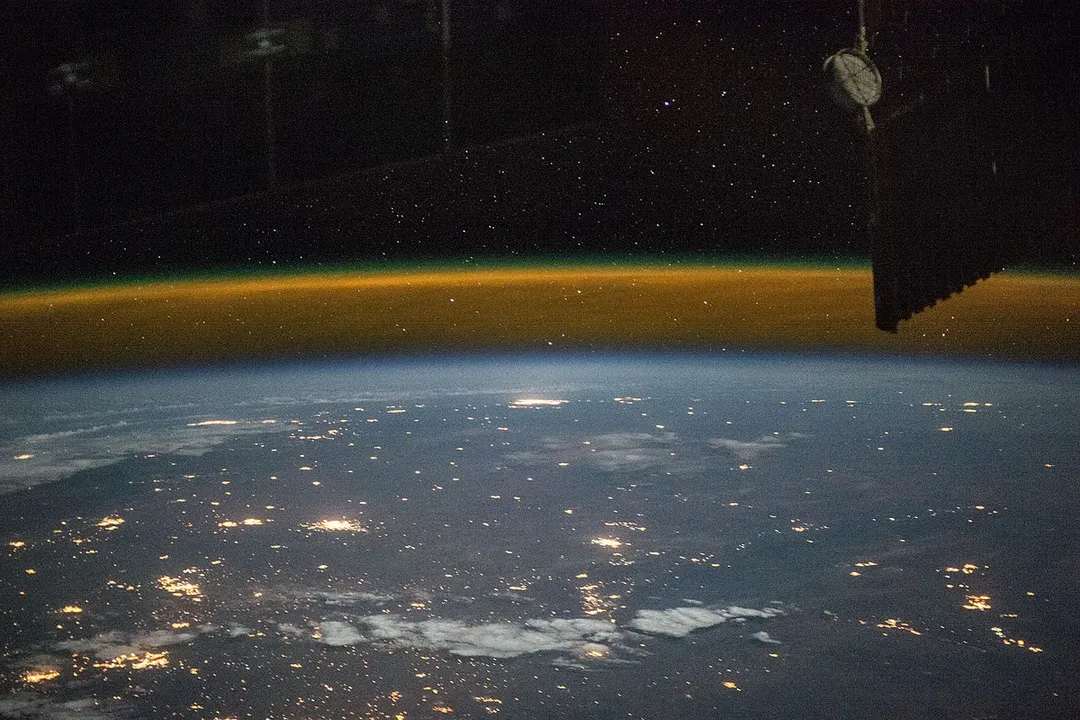
The fundamental reason the Kármán line is set at 100 kilometers is tied directly to the physics of atmospheric flight. Aircraft, whether commercial or high-altitude designs, depend on pushing air over their wings to create aerodynamic lift, which counteracts gravity and keeps them airborne. As altitude increases, air density decreases rapidly. At the 100 km mark, the atmosphere is so thin—less than one thousandth of sea-level density—that an aircraft would have to attain an impossibly high speed, often approaching orbital requirements, just to generate enough lift to stay up using standard wings. Consequently, once this threshold is passed, the vehicle's flight path transitions from atmospheric interaction to one governed purely by orbital mechanics or non-lifting ballistic trajectories, marking the point where traditional atmospheric flight support ceases.
#Videos
Where does outer space begin? - YouTube