What physical consequence is implied by Kepler's Second Law, the Law of Equal Areas?
The orbiting body cannot maintain a constant speed throughout its revolution
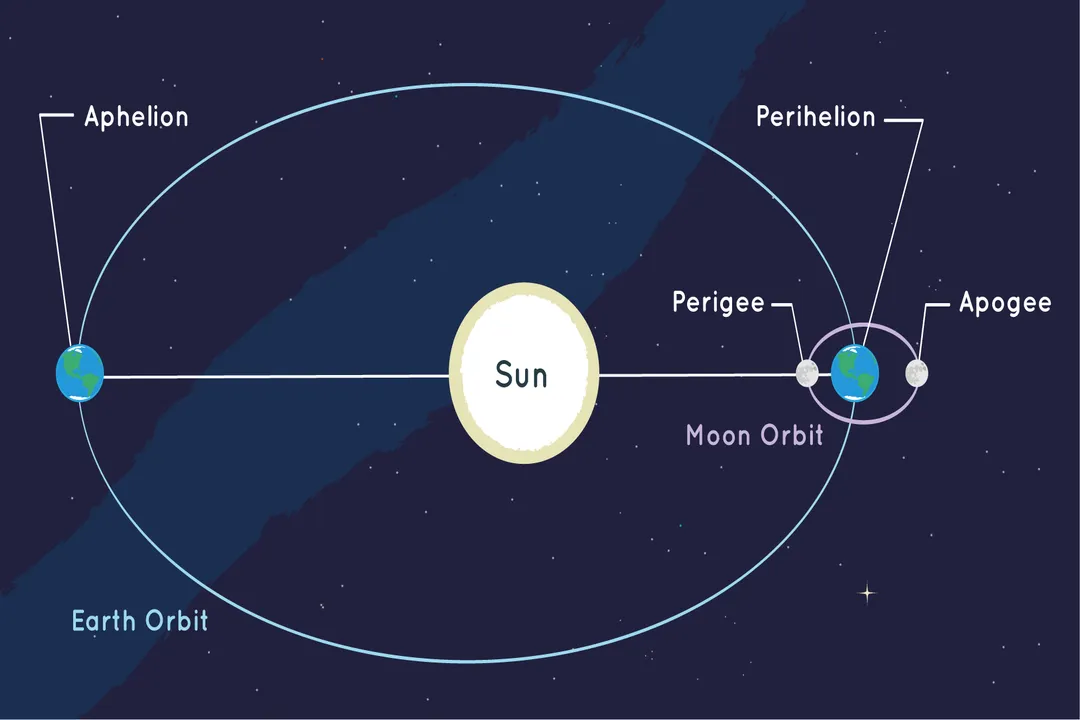
Kepler's Second Law establishes that the line segment connecting the orbiting body (like a planet) and the central mass (like the Sun) sweeps out equal areas during any equal time intervals. Because the orbital path is an ellipse, the distance between the planet and the Sun is constantly changing. If the speed were constant, the area swept out would vary depending on the radial distance. To ensure the area swept per unit time remains constant, the orbital speed must dynamically adjust: it must move faster when closer to the central body and slower when farther away. This principle directly necessitates the variation in speed between periapsis and apoapsis, linking the geometry of the ellipse to the dynamics of motion.
#Videos
Why Are Planetary Orbits Elliptical? - YouTube