What does orbital debris mean?
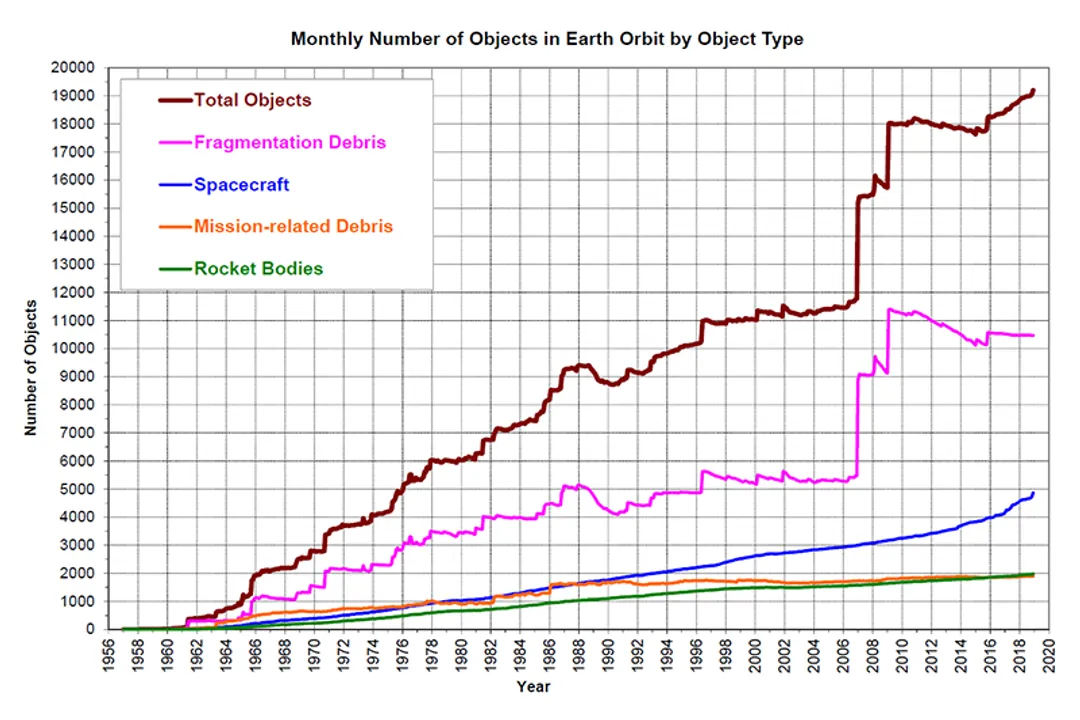
The seemingly infinite void above our atmosphere is, in reality, quite cluttered. When we talk about orbital debris, we are essentially describing space junk—everything orbiting Earth that was not placed there intentionally and is no longer functional. [2][4] This inventory ranges from massive, defunct rocket stages that launched satellites years ago to microscopic paint flakes shed from aging hardware. [1][2] Understanding what this means requires looking not just at the objects themselves, but at their dangerous environment and the increasing density of this man-made cloud surrounding our planet. [8][9]
# Defining Debris
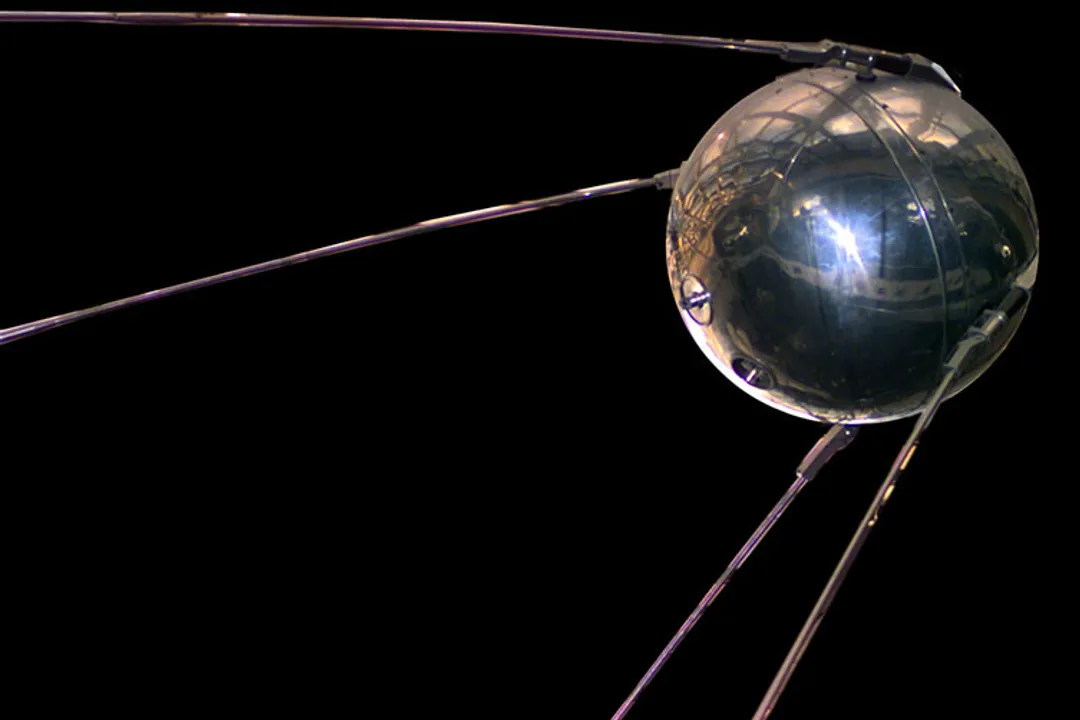
The term encompasses a wide array of artificial objects that have remained in space long after completing their intended mission. [9] While "space junk" is the common vernacular, experts use specific criteria to categorize these threats. [4] NASA categorizes debris based on size: objects larger than 10 centimeters (about 4 inches) are generally tracked, those between 1 centimeter and 10 centimeters are tracked occasionally but are difficult to monitor closely, and fragments smaller than 1 millimeter are too small to track individually but still pose a threat. [1]
It is crucial to distinguish between objects that are merely present and those that are hazardous. A spent satellite that has run out of fuel and is slowly drifting is debris, but a defunct upper stage that might still contain residual propellant presents a heightened risk of an explosion. [2][5] On the other hand, fragments resulting from intentional destruction or accidental collision can number in the thousands, vastly outnumbering the larger, traceable pieces. [2][8] The sheer volume of untrackable, smaller debris is a significant factor in risk assessment, sometimes causing more worry than the known larger items. [5]
# Orbit Locations
Orbital debris is not spread evenly throughout space; it tends to congregate in specific altitude bands where most human activity takes place. [5] The majority of debris resides in Low Earth Orbit (LEO), typically below 2,000 kilometers altitude, because this is where the International Space Station (ISS) and most Earth-observing satellites operate. [2][5] LEO is also where objects experience atmospheric drag, which eventually causes them to slow down and re-enter the atmosphere, burning up harmlessly. [5]
A second, highly problematic area is Geosynchronous Earth Orbit (GEO), situated around 36,000 kilometers up. [2][5] Objects here travel at the same speed as Earth’s rotation, appearing stationary above a fixed point on the equator. Because the atmosphere is negligible at this height, objects in GEO can remain in orbit for centuries, making them extremely long-term hazards. [5] The concentration of objects in these specific highways of space makes collisions statistically more likely. [8]

# Velocity Danger

The defining characteristic that makes orbital debris so dangerous is not its mass but its incredible speed. [4] In LEO, objects move at relative speeds often exceeding 17,500 miles per hour (about 28,000 km/h). [1][4] This speed translates into tremendous kinetic energy upon impact. [4]
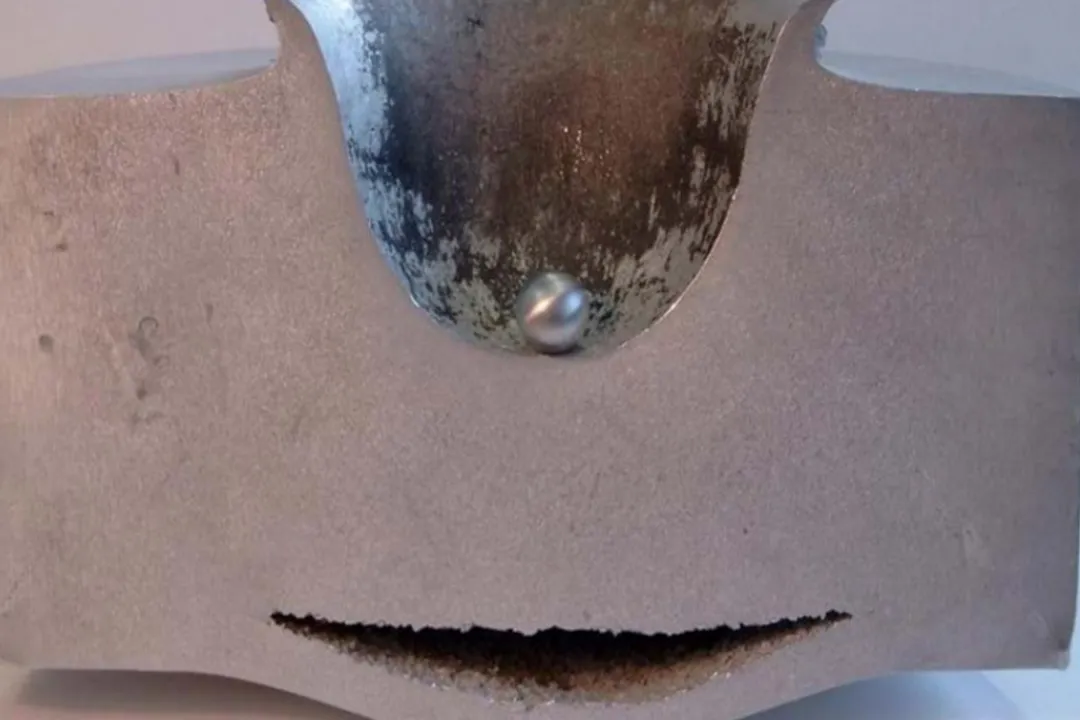
To put this into perspective, the relative velocity of two objects in orbit can be so high that even a fleck of paint, weighing less than a gram, can strike a solar panel or a spacecraft hull with the force equivalent to a bowling ball hitting a car at highway speeds. [1][4] A piece of debris only a few centimeters wide could easily disable or destroy a multi-million dollar satellite or critically damage the ISS, posing a direct threat to the astronauts aboard. [6][7] One interesting point to consider is that while the total mass of space debris is relatively small compared to Earth’s mass, the number of objects moving at hypervelocity in predictable paths creates an exponentially growing risk profile. A single, relatively small fragment traveling at orbital velocity carries orders of magnitude more destructive potential than a much heavier, non-moving object. [4]
# Origin Stories

Human activity is the sole source of this orbital crowding. [8] Historically, the genesis of debris can be divided into three main categories: operational debris, fragmentation events, and intentional destruction. [2][5]
Operational debris comes from routine mission activities, such as separation bolts firing, lens caps being jettisoned, or even tools accidentally dropped during spacewalks. [2] Spent upper stages of rockets, which often carry residual fuel or propellants, are a major source of larger debris because these chemicals can ignite or explode long after the primary mission is complete. [5]
Fragmentation events are the most dramatic contributors. These occur when rocket bodies or old satellites break apart, usually due to internal explosions caused by thermal stress or leftover energy. [5] The 2009 collision between the active Iridium 33 satellite and the defunct Russian Kosmos-2251 satellite is a stark example of a destructive high-velocity impact, which generated thousands of new, cataloged pieces of debris. [2][8] While less common, intentional anti-satellite tests have also resulted in massive, long-lasting debris clouds. [5]
# Tracking Efforts
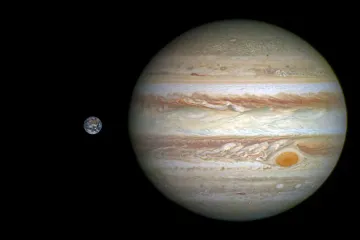
To manage this hazard, several nations and international bodies dedicate significant resources to cataloging and tracking objects. [5] Agencies like NASA and the Department of Defense (DoD) maintain extensive Space Catalog databases. [5] The general consensus among space agencies is to track objects that are 10 centimeters or larger, as these pose the most significant, predictable threat to operational assets. [2]
The challenge lies in tracking the smaller, yet still dangerous, debris population. [5] The current tracking threshold means that millions of fragments smaller than 10 cm are moving through the orbital highways completely undetected. [1] For a mission controller managing a vital satellite, the lack of precise data on these smaller objects translates into a constant, unquantifiable background risk. An actionable approach for satellite operators, therefore, isn't just about responding to official collision warnings for large objects; it involves building physical shielding designed specifically to withstand impacts from the statistical population of smaller, untrackable particles inherent to their operational altitude. [5]
# Syndrome Risk
The greatest long-term worry associated with orbital debris is the potential onset of the Kessler Syndrome. [2][5] First described by NASA scientist Donald J. Kessler in 1978, this concept predicts a cascading effect where the density of objects in LEO becomes so high that collisions between debris pieces generate even more debris, creating an exponential chain reaction. [2][5] If this scenario were to occur, certain orbits could become unusable for generations due to the density of the resulting debris cloud. [5]
While the rate of new debris generation has thankfully slowed in recent years due to international agreements discouraging fragmentation events, the threat remains present, especially given the recent surge in mega-constellations launching thousands of new satellites. [8] Any major, high-energy breakup event in a heavily used orbit could potentially push the environment closer to this tipping point. [2][5]
# Mitigation Strategies
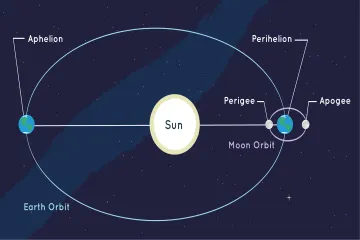
Addressing the debris problem requires a dual approach: preventing new debris and, eventually, removing existing junk. [6] Prevention is currently the most successful strategy and focuses heavily on the end-of-life planning for new satellites. [6] Best practices, increasingly adopted by satellite operators globally, mandate that satellites in LEO be maneuvered into a disposal orbit or de-orbited entirely within 25 years of mission completion. [6] This is often achieved by using the satellite's remaining fuel to lower its perigee so that atmospheric drag brings it down faster. [5]
Active debris removal (ADR) technologies represent the next frontier. [6] These proposed solutions range from capture nets and harpoons to magnetic tethers, designed to grapple and de-orbit large, defunct objects that pose the biggest collision risk. [6] However, ADR missions are technologically complex and expensive, and the legal frameworks surrounding removing the property of another nation (even if it is non-functional) introduce significant political hurdles. [7] While some European agencies, like the ESA, are actively developing missions to test these removal techniques, the cost-benefit analysis remains a challenge when compared to the cheaper option of simply launching new assets. [7] For now, meticulous tracking and adherence to post-mission disposal guidelines are the foundation upon which the safety of future space endeavors rests. [5]
#Videos
Why is space debris such a big issue? - What in the World podcast ...
Related Questions
#Citations
What Is Orbital Debris? (Grades 5-8) - NASA
Space debris - Wikipedia
Space Debris 101 | The Aerospace Corporation
What is space junk and why is it a problem? - Natural History Museum
Orbital Debris - Sma.nasa.gov.
Space Debris
Orbital debris mean danger on the ground - European Space Agency
The proliferation of space debris in the Earth's orbit
Space Debris - Common Definitions
Why is space debris such a big issue? - What in the World podcast ...