What is one of the primary sources of space debris?
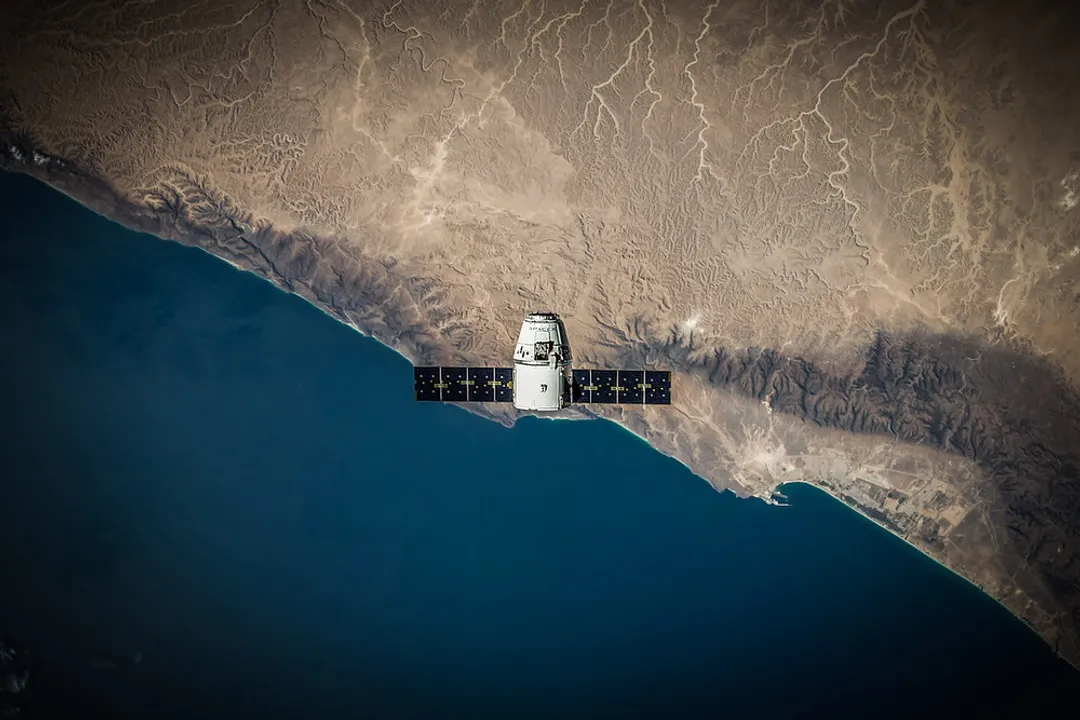
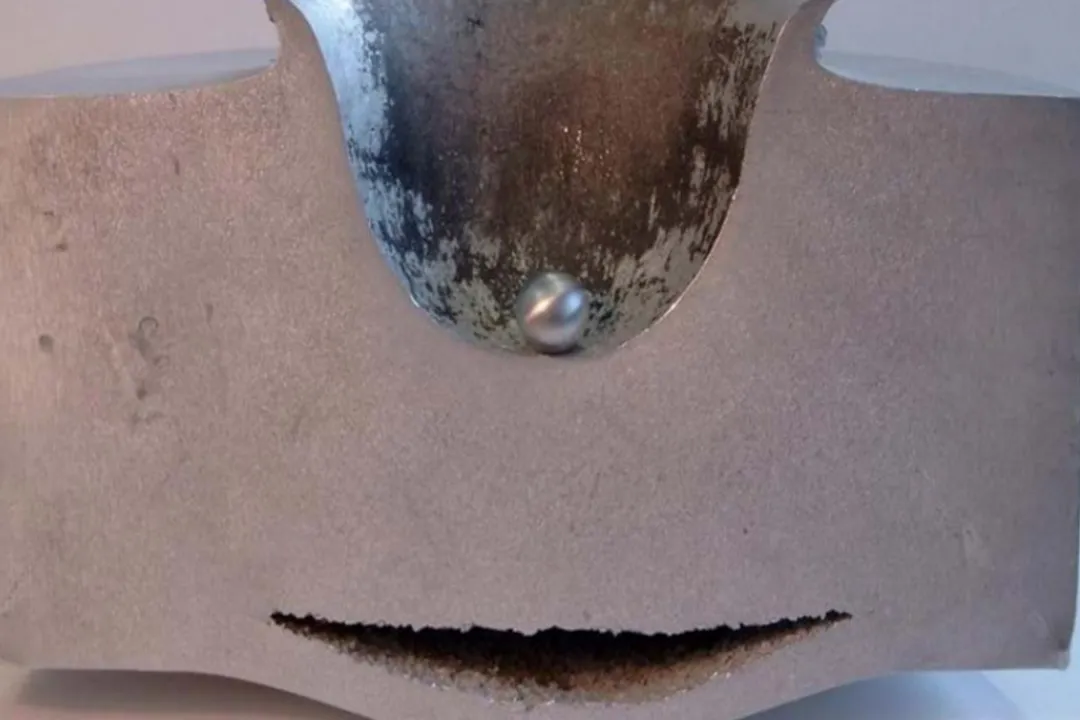
The accumulation of defunct human-made objects orbiting our planet represents an escalating hazard to every active satellite and mission beyond the atmosphere. This “space junk,” as it is often called, encompasses everything from spent rocket stages and dead satellites to minuscule flecks of paint, all moving at velocities that defy everyday comprehension—often ten to twenty times faster than a bullet. At these hyper-velocities, even an object the size of a marble can carry the impact energy of a falling anvil. Understanding where this cosmic clutter originates is key to safeguarding our essential space infrastructure.
# Debris Origins
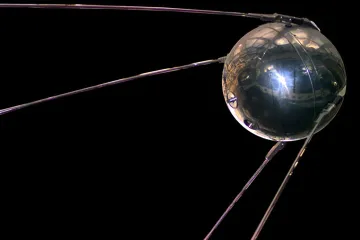
Space debris is broadly defined as any non-functional, human-made item in Earth orbit. Since the launch of Sputnik 1 in 1957, the volume of material has grown steadily, though the primary causes have evolved over the decades. While we track around 40,000 cataloged objects, statistical models estimate that there are approximately 900,000 pieces between one and ten centimeters, and over 128 million smaller, untrackable fragments. The sources for this growing inventory fall into several main categories: accidental fragmentation events, intentional weapon testing, and incidental object shedding.
# Accidental Breakups
Historically, the single largest contributor to the space debris population has been accidental fragmentation events, particularly the disintegration of rocket bodies and older satellites. These breakups, which have numbered over 560 since 1961 according to the European Space Agency (ESA), are overwhelmingly caused by explosions originating from internal energy sources.
# Rocket Stages
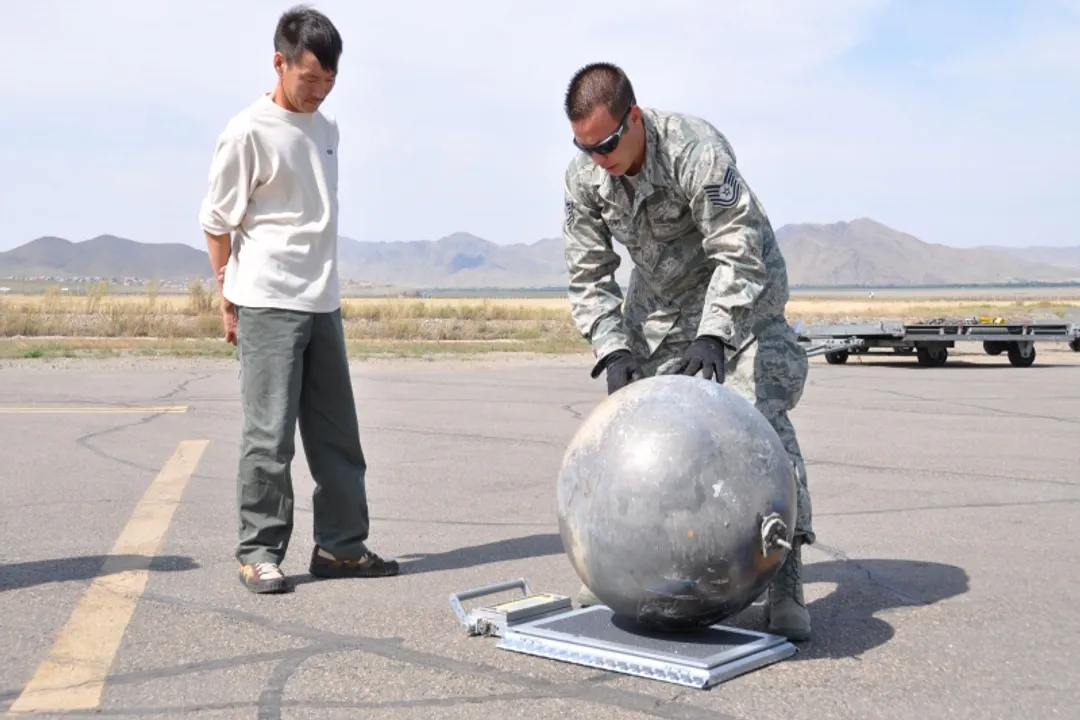
Spent upper stages of launch vehicles are a significant culprit. When these stages are left in orbit, residual fuel or pressurized gases can remain trapped inside their tanks. Over time, the extreme conditions of the space environment can degrade the integrity of the tanks, leading to self-ignition or rupture. This results in a catastrophic explosion that scatters the mass of the stage into thousands of fragments, each flung into a slightly different trajectory.
The first major event of this kind occurred very early in the Space Age. In June 1961, the Ablestar upper stage exploded an hour after deploying its payload, Transit 4A, creating about 300 debris fragments that persisted in orbit. Even with later design improvements, this source remained dominant for decades. For instance, many Soviet-era Kosmos and Meteor 2 satellites and their associated stages had design flaws that led to numerous breakups post-decommissioning. While agencies like NASA introduced mitigation measures, such as requiring depletion burns to vent excess propellant from rocket tanks after payload delivery—a practice that helped largely mitigate Delta rocket stage explosions post-1981—not all international actors adopted these standards equally quickly. This historical backlog of exploding rocket bodies constitutes a massive portion of the debris cloud we manage today, particularly in the highly populated Low Earth Orbit (LEO) regions.
# Defunct Satellites
Beyond rocket bodies, dead satellites contribute substantially. Once a satellite depletes its batteries or suffers a critical failure, it becomes inert junk. While satellites in lower orbits may eventually decay and burn up in the atmosphere over decades or centuries, those in higher orbits, like Geostationary Orbit (GEO), can remain for millennia. Even when operators responsibly boost satellites into designated "graveyard orbits" or attempt passivation (draining internal energy to prevent explosion), wear and tear, including the freezing and shedding of residual coolant, can still lead to slow disintegration and the creation of new, smaller debris.
# Intentional Destruction
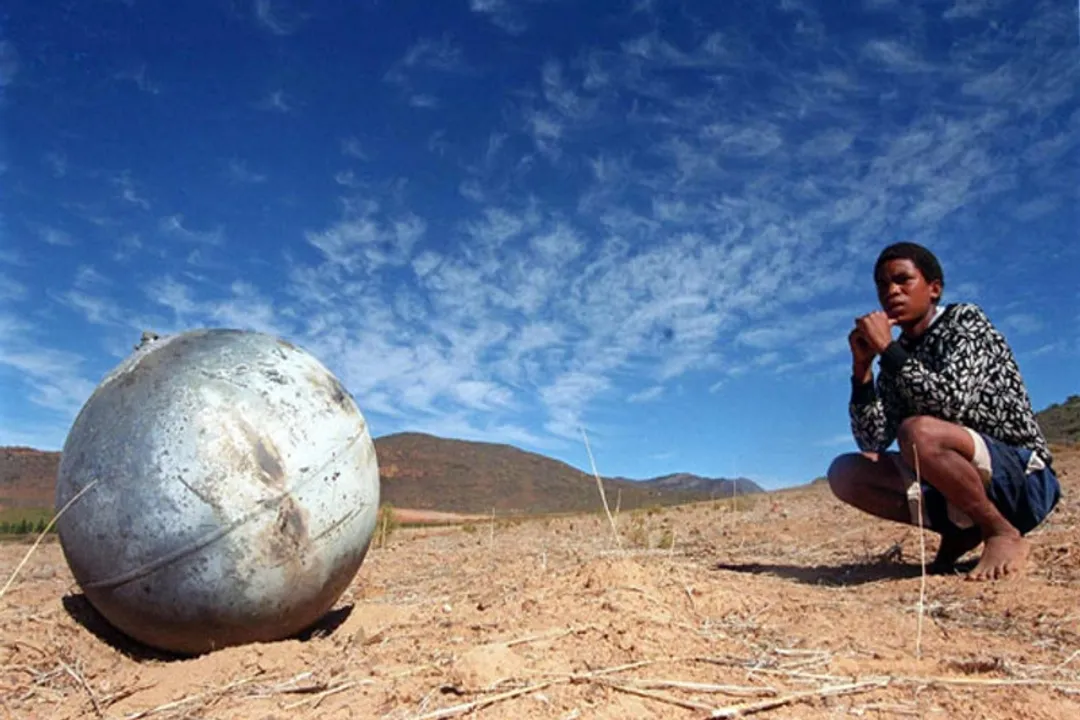
A second, more politically charged primary source involves the deliberate destruction of spacecraft, primarily through the testing or use of Anti-Satellite (ASAT) weapons. These kinetic energy tests, involving missiles striking a satellite, release an immense, sudden amount of hazardous debris directly into crowded orbital highways.
The history of ASAT testing involves both the United States and the Soviet Union, beginning in the 1960s and 1970s. However, the most significant single event contributing to the current environment was China's kinetic energy ASAT test in January 2007 against the defunct FengYun-1C weather satellite. This single event is considered the worst source of contamination in LEO, creating an estimated 300,000 pieces of debris 1 cm or larger and increasing the volume of trackable debris by 25%. Critically, this fragmentation occurred at an altitude between 850 and 882 kilometers.
The altitude of the fragmentation event is a crucial factor in its long-term threat. Debris created in LEO below about 600 km might reenter the atmosphere within weeks or months due to atmospheric drag; conversely, debris above 2,500 km may remain for many centuries. The 2007 Chinese test occurred in a zone where orbital lifetimes are measured in decades to centuries, concentrating a massive new debris cloud in one of the most densely utilized regions of space. This incident was followed by further ASAT tests, including one by India in 2019, which generated about 270 trackable pieces, and a Russian test in 2021 that produced over 1,500 trackable fragments. These deliberate actions represent concentrated introductions of major hazard, unlike the more sporadic nature of accidental explosions.
# Minor Contributions
While large breakups dominate the statistics, smaller pieces generated during routine operations also constitute a persistent source of orbital pollution. This includes mission-related objects that are simply lost or jettisoned. Astronauts on spacewalks have occasionally dropped items—tools, gloves, cable restraints, or even a container of tools—which subsequently enter new orbits. Furthermore, solid rocket motor firings release exhaust products like aluminum oxide slag, which become millions of micrometre-sized dust particles. Another historic, though less common, source was the intentional ejection of reactor cores from Soviet nuclear-powered reconnaissance satellites, releasing droplets of liquid coolant that persist in orbit.
# Shifting Dynamics and Future Risks
The primary sources of debris are not static; the environment dictates where the greatest future threat will emerge. For decades, accidental explosions from unvented rocket stages were the primary source of new pieces. However, as the industry has slowly adopted better passivation standards, the frequency of these destructive explosions is projected to decline.
This observation leads to an important analytical point: the focus is shifting from debris created by internal energy to debris created by external impacts. Mathematical modeling strongly suggests that as the total object count rises—driven now by the deployment of massive satellite constellations—collisions between existing debris and active satellites will soon supersede accidental explosions as the dominant driver of new fragmentation. This is the foundation of the theoretical Kessler Syndrome: a cascading, self-sustaining chain reaction where one major collision creates enough fragments to cause subsequent collisions, potentially rendering entire orbital bands economically unusable over generations.
Consider the current launch cadence. With commercial mega-constellations adding thousands of satellites, the risk of high-speed collisions is inherently elevated. While many operators, such as SpaceX and OneWeb, now include aggressive, multi-year deorbit plans in their design, the volume of legacy debris—the tens of thousands of objects created before these rules were universally adopted—remains the trigger waiting for the right conditions. This implies that the most critical actionable insight today isn't just about future launch standards, but about finding cost-effective ways to remove the most massive, volatile, or strategically positioned pieces from the current catalog, which act as future collision nuclei.
Another less-discussed, yet growing, source of risk comes from the sheer quantity of new objects placed into orbit. While the risk of a single, tracked object hitting a satellite can be managed with maneuvers, the proliferation of untrackable, very small debris is a constant, low-grade threat. When you factor in the high orbital speeds, even a paint flake can cause damage sufficient to degrade a solar panel or compromise an optical instrument over time. The accumulation of these untrackable impacts slowly erodes the reliability and lifespan of active assets, making the entire orbital ecosystem more expensive to operate.
# Preserving Access
The challenge boils down to managing two distinct populations: the large, traceable objects that cause catastrophic fragmentation and the minuscule, untraceable particles that cause chronic damage. To avoid the "tragedy of the commons"—where maximizing self-interest degrades a shared resource like orbit—a clear understanding of source responsibility is necessary. While regulatory guidelines exist, such as the voluntary "25-year rule" for deorbiting, their international enforcement and scope remain inconsistent.
Given that the historical pollution is already in orbit and uncontrollable, future sustainability relies on stringent adherence to current mitigation practices, focusing on designing for demise. An actionable step that engineers and mission planners must prioritize, beyond simply meeting the 25-year deorbit target, is ensuring passive thermal stability for all spent stages and satellites that cannot be actively removed. Designing components, especially tanks containing residual propellants or batteries, to vent safely or structurally break apart upon reentry (rather than exploding in orbit) prevents a single piece of end-of-life hardware from becoming a cloud of hundreds of new threats. The primary sources—abandoned hardware, catastrophic fragmentation, and weapon tests—are all products of decisions made on the ground. The quality of our future in space depends on treating orbital space not as an infinite dumping ground, but as a shared, delicate resource requiring rigorous custodial care.
Related Questions
#Citations
Space Debris 101 | The Aerospace Corporation
About space debris - ESA
Space debris - Wikipedia
Space Debris from Anti-Satellite Weapons
Space debris: A growing challenge from old satellites
What is space debris and how does it affect us? - Iberdrola
Let's talk about space debris - Blog