What counts as space debris?
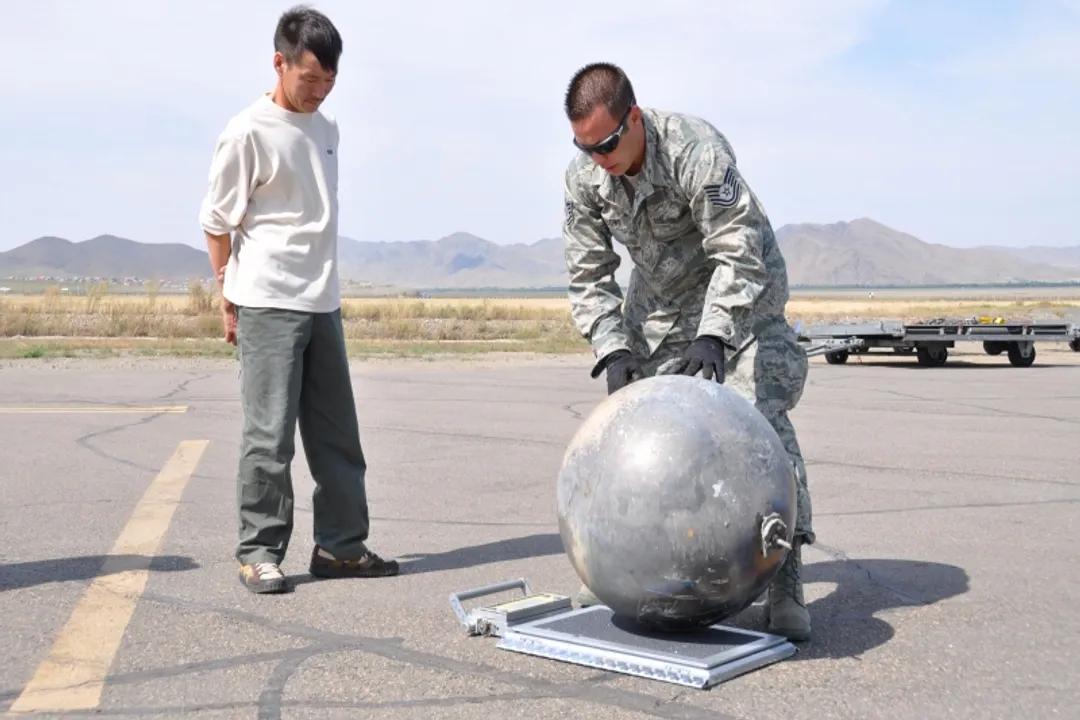
The concept of what exactly qualifies as space debris begins with a simple but critical distinction: it must be man-made material orbiting the Earth that no longer serves any useful purpose. [7] It is essentially the junk left behind in orbit, a consequence of decades of space exploration and activity. [1][6] This accumulation ranges dramatically in size, from massive, inert rocket bodies that once launched missions, down to microscopic particles resulting from wear or explosions. [3][7]
# Object Definition
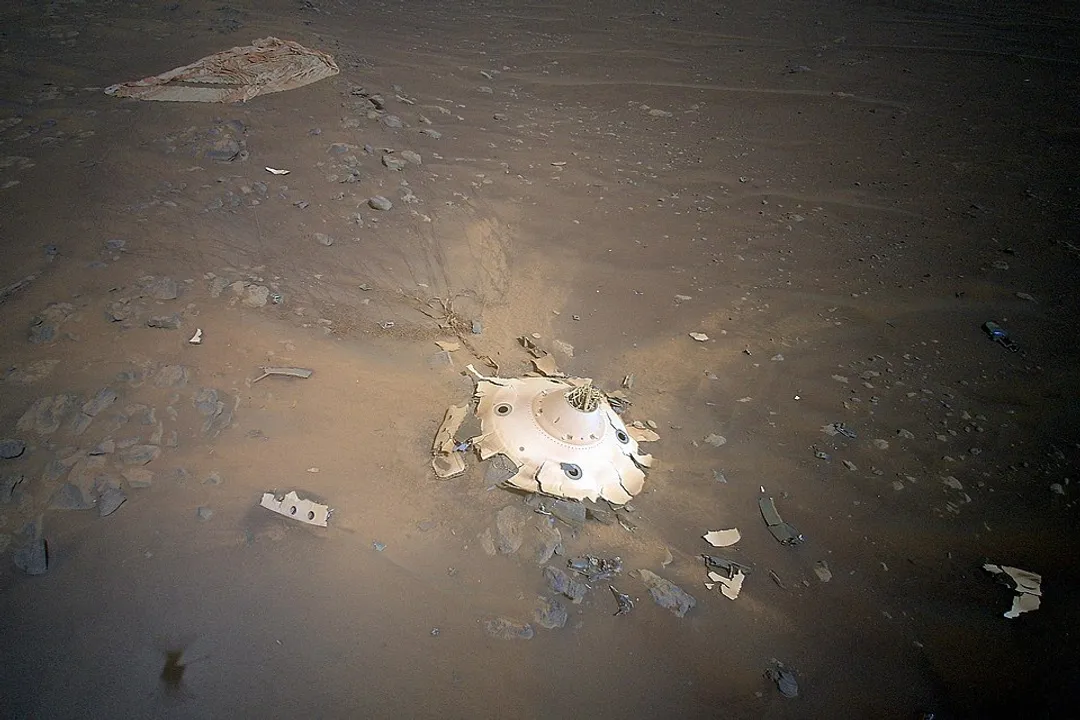
When we talk about space junk, the key discriminator is utility. An active communications satellite beaming data back to Earth is an asset; once its fuel runs out, its systems fail, or it is intentionally deactivated, it immediately transitions into the classification of orbital debris. [7] Similarly, spent upper stages of launch vehicles, which are jettisoned after successfully placing their payload into orbit, become significant pieces of this debris field. [4]
The debris population isn't just whole, defunct satellites, however. It heavily includes fragmentation debris—the shrapnel created when objects collide or break apart due to internal forces, like residual fuel igniting within a spent stage. [1][7] This includes everything from mission-related debris, such as lens caps, clamps, or bolts that were intentionally or accidentally released during deployment, to paint flecks that have flaked off older spacecraft. [4][7]
A point of nuance arises when differentiating this human-made contamination from natural cosmic hazards. While meteoroids—natural particles of dust or rock entering the Earth's atmosphere—pose a very similar kinetic threat to operational spacecraft, they are typically not categorized under the official designation of "space debris". [3][4] Debris specifically refers to the artificial remnants created by human activity in orbit. [6][7] Yet, from an engineering standpoint of protecting a satellite, the source of the incoming object matters less than its velocity and size. [4]
# Size Thresholds
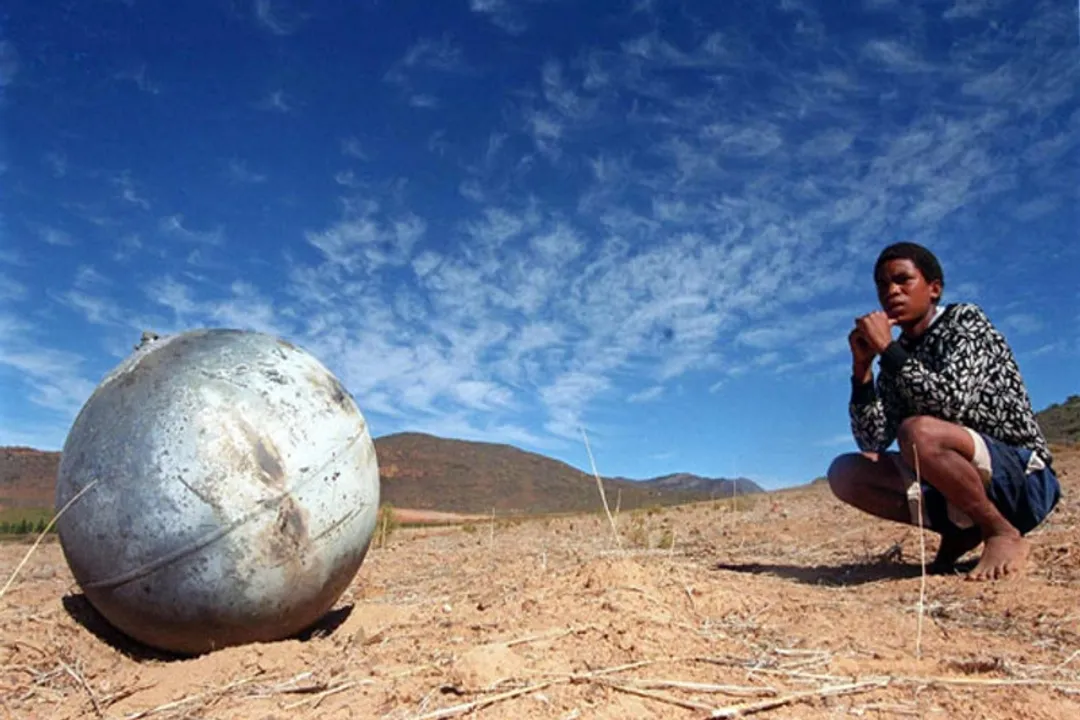
The danger posed by orbital junk is directly related to its speed, but its trackability is related to its size. Different agencies use slightly different thresholds for cataloging and monitoring, but a general consensus emerges regarding the scale of the problem. [3][4]
The largest items are easy to spot and track. These can be the size of a bus or smaller spacecraft remnants. [3] Agencies maintain active tracking data on these larger objects because they present the most significant, identifiable threat of a catastrophic collision. [4]
NASA, for instance, focuses its intense tracking efforts on objects larger than 10 centimeters (about 4 inches). [1][3] These pieces are significant enough that a collision would likely destroy a spacecraft or rocket body.
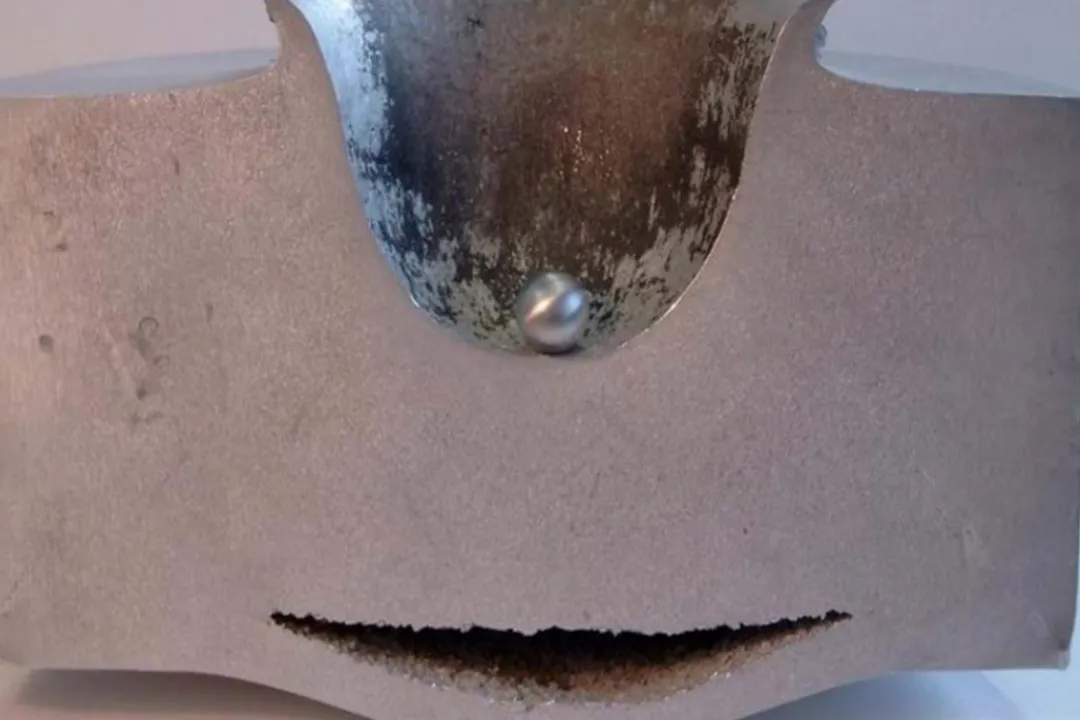
However, the volume of material between 1 cm and 10 cm—objects too small to be reliably tracked by current systems but large enough to cause substantial damage—is far greater. [3] A piece just one centimeter across, traveling at orbital velocities, carries the destructive energy equivalent of a hand grenade. [5]
The smallest, most numerous category involves particles less than 1 cm in size, which are generally not cataloged due to the sheer quantity and the difficulty of tracking them precisely. [3] While they are unlikely to cause total failure, millions of these tiny fragments constantly bombard spacecraft, causing erosion and surface damage over time. [7]
To illustrate the tracking disparity, consider this rough breakdown: while thousands of objects larger than 10 cm are continuously monitored, the estimated total mass of debris is dominated by these larger cataloged pieces. However, the number of untracked objects (1 cm to 10 cm) is vastly higher, making them an unavoidable statistical risk for any mission. [3]
| Size Category | Typical Tracking Status | Potential Damage |
|---|---|---|
| > 10 cm | Continuously Tracked | Catastrophic damage/loss |
| 1 cm – 10 cm | Mostly Untracked (Significant Risk) | Severe system damage |
| < 1 cm | Untracked (High Quantity) | Surface erosion/minor damage |
# Origin Points
Understanding what counts as debris also requires understanding its genesis. The debris population grows through two primary mechanisms: normal operational process and catastrophic breakup events. [1]
Operational debris comes from the routine use of space. This includes the aforementioned spent rocket bodies that remain in orbit after delivering their payloads, as well as discarded equipment like adapter rings or even thermal blankets that were shed during deployment. [4]
The more dramatic source is fragmentation, which can occur either through accidental explosions or intentional anti-satellite (ASAT) tests. [1] When a large object breaks up, it multiplies the threat exponentially. A single collision or explosion can instantly generate thousands of new, fast-moving fragments, dramatically increasing the hazard level for all other satellites in that orbital shell. [1] This effect is the basis for concerns like the Kessler Syndrome, where one collision triggers a cascade of subsequent collisions. [1]
# Orbital Mechanics Danger
The inclusion of an object in the "space debris" category is cemented by its threat level, which is intrinsically linked to its speed. Objects in Low Earth Orbit (LEO) travel at tremendous velocities, often exceeding 17,500 miles per hour (or about 28,000 kilometers per hour). [5]
At such speeds, the kinetic energy involved in even a small impact is immense. A small piece of material, perhaps no larger than a grain of sand or a speck of paint, can strike a satellite with such force that it causes pitting, micro-fractures, or compromises sensitive solar panels and sensors. [3][5] This fact underscores why the definition of debris must include the smallest particles; they are not merely cosmetic nuisances but active threats to mission integrity. [7]
When assessing the risk, tracking organizations must model the trajectory of these objects against known, operational satellites to calculate the probability of collision. If an object’s predicted path intersects with another object with a non-zero probability, it triggers tracking alerts and potential collision avoidance maneuvers for the active spacecraft. In this context, any uncontrolled, non-functional object is a potential factor in orbital safety calculations. [4]
# Functional vs. Inactive Status
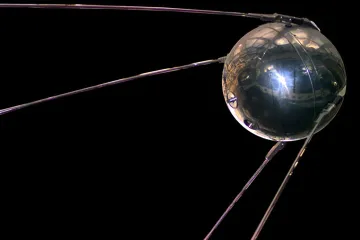
Digging deeper into the definition, the transition from "space object" to "space debris" often hinges on the last communication or the execution of a maneuver. For example, a satellite might still be structurally sound, carrying useful but currently unneeded instruments, yet if its primary mission control system has failed permanently, it is legally and practically debris. [6]
This presents an interesting operational challenge: when does a satellite become "defunct"? For planetary protection, agencies often stipulate that a satellite must pass through the atmosphere and burn up completely within a certain timeframe (like 25 years) to avoid being classified as long-term debris. [7] If a satellite in a high orbit cannot be commanded to perform a de-orbit burn, it remains in orbit for centuries or millennia, firmly counting as long-term, hazardous debris. [1] Even the act of shutting down non-essential systems to conserve residual power for potential future recovery or avoidance burns is part of managing the object’s "functional" status before it inevitably crosses into the debris category. This careful management of end-of-life procedures is what separates responsible orbital operation from adding to the hazard.
Related Questions
#Citations
Space debris - Wikipedia
Space Debris - NASA
Space Debris FAQ: Frequently asked questions - ESA
Space Debris 101 | The Aerospace Corporation
What is space debris and how does it affect us? - Iberdrola
Space Debris - Common Definitions
Space Debris
Space debris | Facts, Removal, & Examples - Britannica