How far up is space debris?
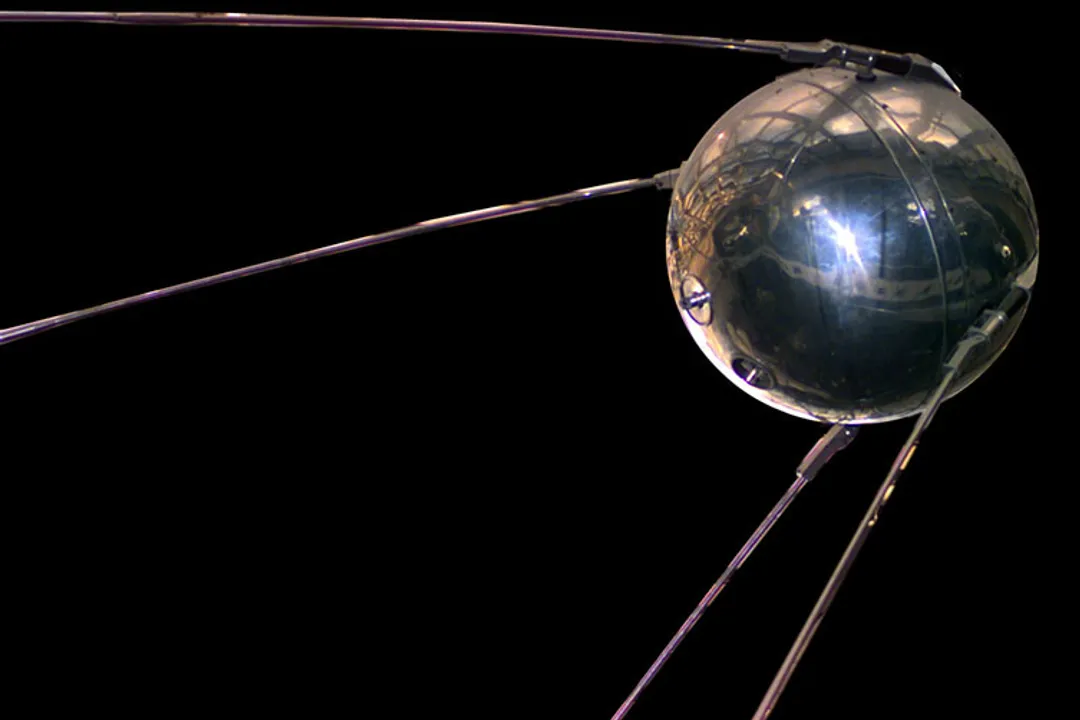
The realm of space debris isn't confined to a single, neat layer above Earth; rather, it exists as a complex, multi-layered hazard spanning from just a few hundred kilometers off the ground all the way up to the geostationary belt. [1][3] To ask how far up space junk is requires understanding that we are dealing with objects orbiting at vastly different speeds and subjected to different environmental conditions, which dictates their risk profile and longevity. [9] Currently, the estimated population of debris totals over 6,600 tons currently orbiting our planet. [4]
# Crowded Low Orbit
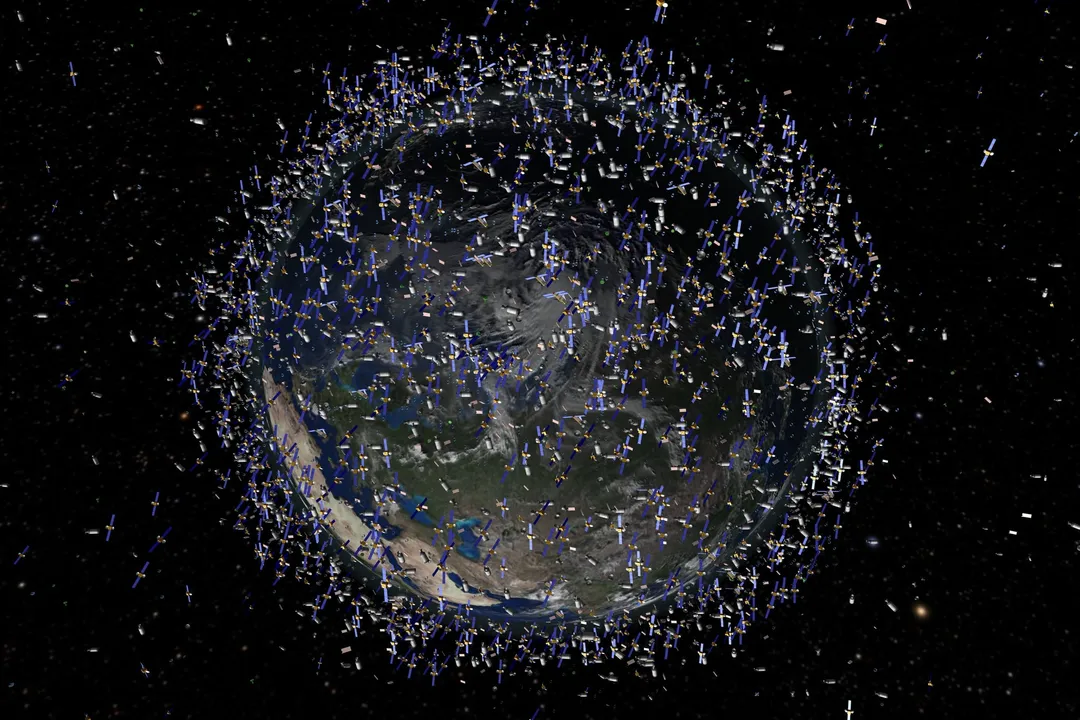
The most densely populated region for human-made junk is Low Earth Orbit (LEO). [1][3] This region, generally considered to extend up to about 2,000 kilometers above the surface, is where most satellites, the International Space Station (ISS), and the bulk of defunct rocket bodies reside. [1][3]
The ISS itself orbits at an altitude of approximately 400 kilometers. [6] While this height seems substantial, it is low enough that the faint remnants of Earth's atmosphere still exert a small amount of drag on orbiting objects. [9] This drag, though tiny, is the primary mechanism by which smaller pieces of debris naturally clear themselves out over time. [9]
# Orbital Zones
Space objects occupy specific altitude bands, each presenting unique challenges for safety and mission longevity. While the definitions can vary slightly, three primary zones are commonly referenced when discussing the orbital environment: [3]
| Orbital Zone | Typical Altitude Range (km) | Primary Concern |
|---|---|---|
| Low Earth Orbit (LEO) | Up to 2,000 | High density, rapid collisions, eventual natural decay [1][3] |
| Medium Earth Orbit (MEO) | 2,000 to 35,786 | Navigation satellites, moderate decay time [3] |
| Geostationary Orbit (GEO) | 35,786 | Extremely long-lived debris, high operational value [3] |
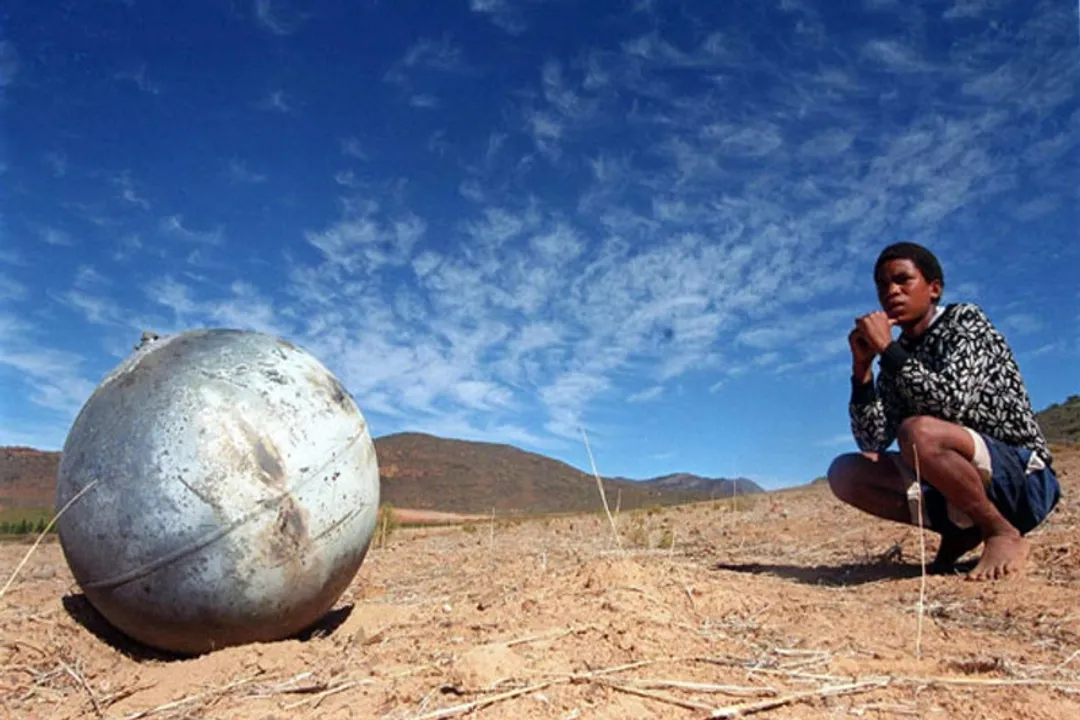
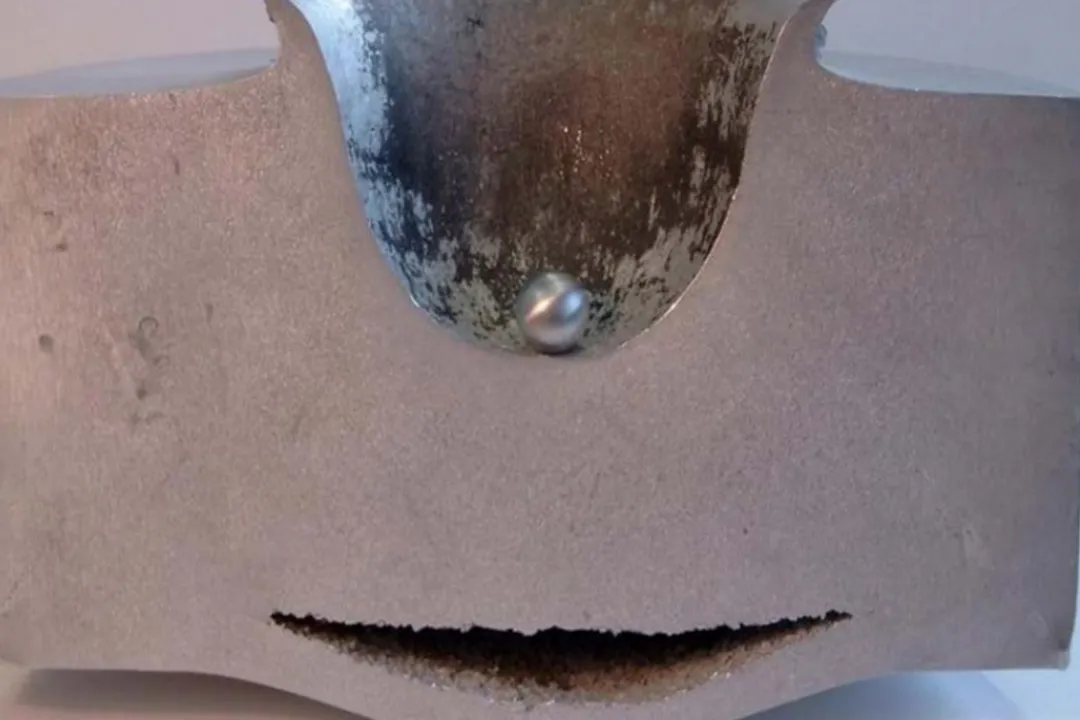
The objects in LEO are moving incredibly fast—tens of thousands of kilometers per hour. [1] This speed means even a small piece of debris, such as a paint fleck or a solid rocket motor casing, carries immense kinetic energy. [6]
# Altitude Decay Rates
The height of an object above Earth is the single most significant factor determining how long it will remain in space before atmospheric friction pulls it down into the atmosphere, causing it to burn up. [9] Objects in the lowest parts of LEO may only survive for a few months or years. [9] For instance, a piece of debris orbiting around 600 km might re-enter the atmosphere in less than a year. [9] As the altitude increases, the decay time lengthens exponentially.
Consider the difference between the altitude of the ISS (around 400 km) and the upper limit of the primary debris band (around 2,000 km). [6][1] A fragment orbiting near 800 km may take several decades to fall back to Earth. [9] Conversely, an object left derelict in GEO, nearly 36,000 km up, will remain an orbital hazard for millennia because the atmosphere is effectively non-existent at that height. [9]
This persistence creates a legacy problem. Objects in higher orbits act as long-term, stationary targets for future objects passing through, increasing the statistical probability of collisions over vast timescales. [1]
# Inventory Scale
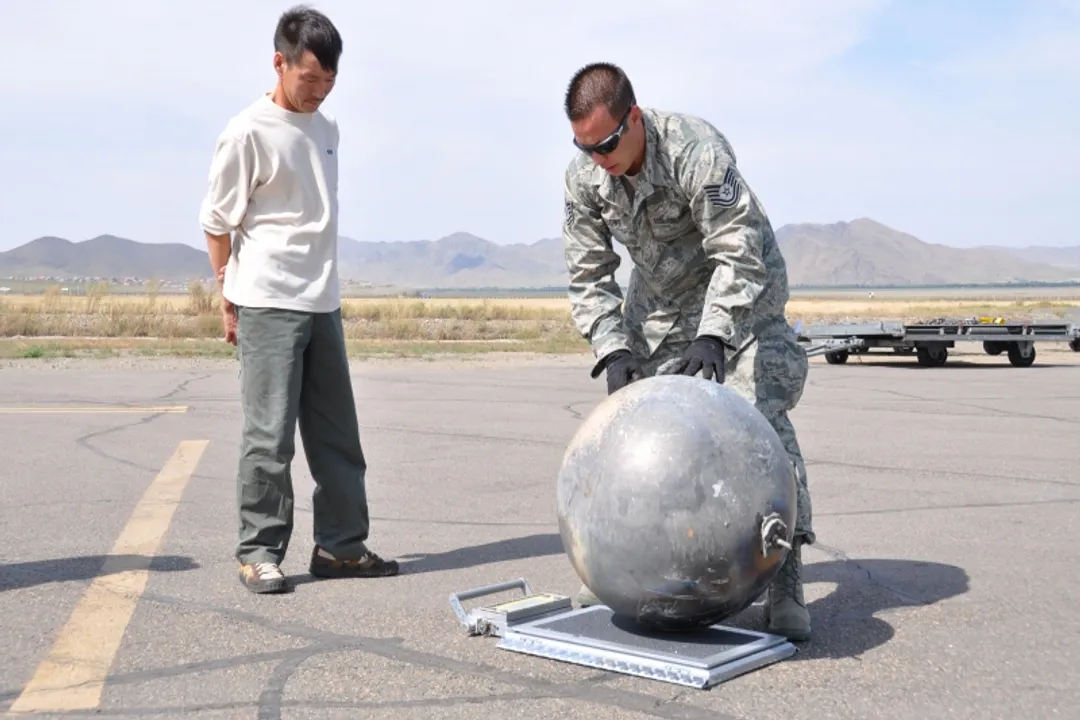
The population of objects needing tracking is extensive. Current catalogs monitor over 36,500 pieces of debris larger than 10 centimeters in size. [2] However, this tracked population represents only a fraction of the actual threat. [2] Scientists estimate that there are over one million pieces between 1 cm and 10 cm, and a staggering number of fragments smaller than 1 cm—potentially hundreds of millions—that are too small to track effectively but large enough to cause catastrophic damage to spacecraft systems. [2] This inventory is not uniformly spread; it clusters along heavily used paths like the LEO bands used for Earth observation and telecommunications. [1][3]
# Operational Risks
For active missions, the distance from Earth directly translates to the type of risk faced. In LEO, the primary concern is the density of the debris field, requiring constant vigilance and collision avoidance maneuvers for manned and operational craft alike. [6] When calculating avoidance procedures, satellite operators must account for the relative velocity, which is highest when objects are on crossing, near-polar orbits, regardless of whether they are slightly above or below the target craft. [1]
When analyzing collision avoidance, there is an inherent asymmetry in risk based on altitude, even between closely spaced objects. A craft operating at 1,500 km needs to worry about fragments that may have been there for centuries or longer, which possess a high relative velocity against its trajectory. [9] However, if a piece of debris is just below a satellite’s orbit—say, 100 meters lower—it is likely to degrade and burn up faster than the satellite itself, meaning the threat is transient unless the lower object is in a very stable, high-altitude slot. [9] This means that while the highest objects pose the longest-term threat, the greatest frequency of near-misses involves objects within the same orbital band, where slight differences in velocity or orbital inclination can lead to rapid closure rates. [6] Managing this complex, three-dimensional traffic jam, where objects travel at different speeds in different directions, is the constant challenge for space safety organizations. [1]
Related Questions
#Citations
Space debris - Wikipedia
Space debris in numbers - SOLAR MEMS Technologies
Space Debris 101 | The Aerospace Corporation
Over 6600 tons of space junk are floating around in Earth's orbit
Space Junk. - Brown University
Space Debris
ESA Space Environment Report 2025 - European Space Agency
What is space junk and why is it a problem? - Natural History Museum
How Long Will Space Junk Take to Burn Up? Here's a Handy Chart