What is the glowing shell of gas created by a medium-sized star at the end of its life?
Answer
Planetary nebula
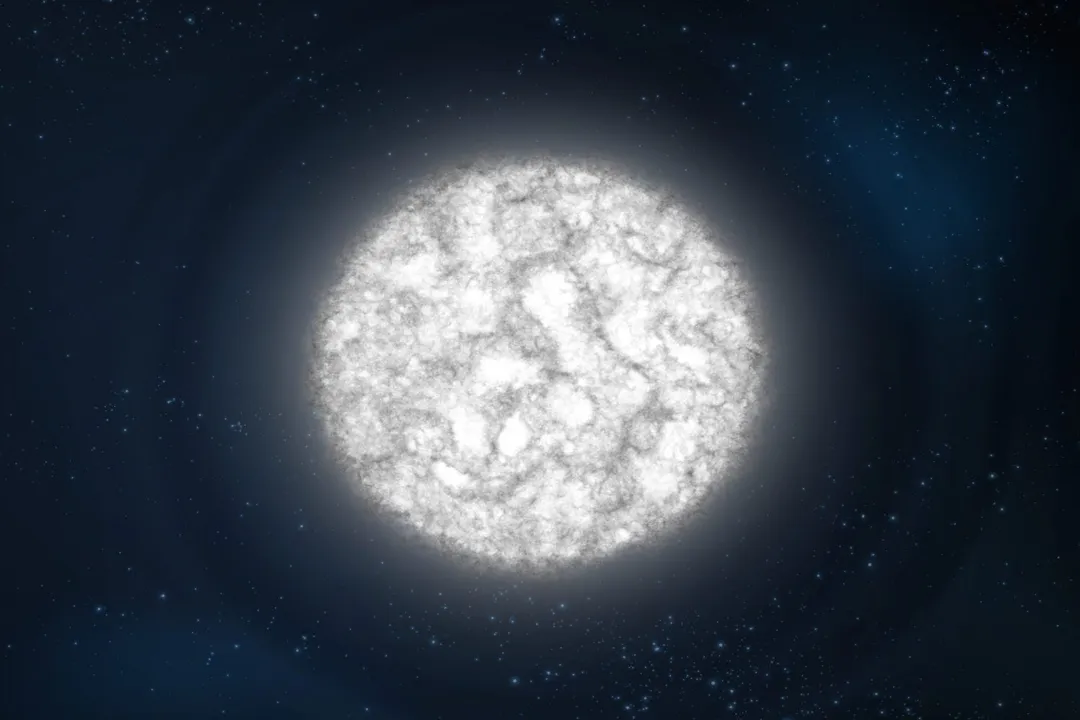
When a medium-sized star exhausts its fuel and can no longer support itself, it gently sheds its outer layers. The ejected material forms a beautiful, glowing shell of gas known as a planetary nebula. Despite the name, this process is unrelated to the formation of planets; it is simply the final stage where the outer envelope of the star is dispersed into space before the remaining core becomes a white dwarf.
#Videos
Life Cycle of a Star | KS2 Science | STEM and Beyond - YouTube
Lifecycle of a star | Astrophysics | Physics | FuseSchool - YouTube
Related Questions
What are nebulae commonly referred to as in the context of star formation?What term describes a ball of gas and dust that is gathering mass but has not yet begun nuclear fusion?What physical process allows a star to reach the main sequence phase?How does a star's mass affect its lifespan during the main sequence?What will a star similar in size to the Sun become after it runs out of hydrogen?What is the glowing shell of gas created by a medium-sized star at the end of its life?What does a White Dwarf eventually become after cooling down for billions of years?What colossal event occurs when a high-mass star collapses because it can no longer generate energy?What is formed when the remaining core of a high-mass star is too massive for a neutron star to support?Which elements are ejected back into space when stars die to help form new stars and planets?