What is a star explained to kids?
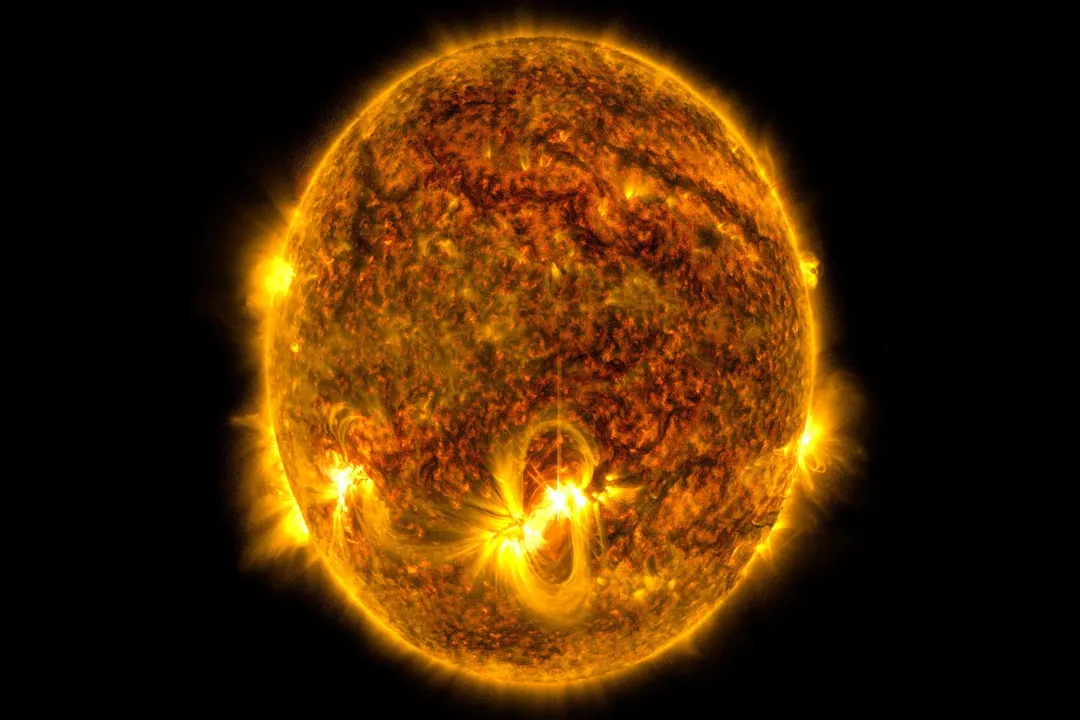
When you look up at the night sky, you see thousands of tiny, twinkling lights scattered across the darkness. These objects are not just pretty decorations; they are massive, powerful, and incredibly hot machines. [4][7] A star is essentially a giant ball of glowing gas that is held together by its own gravity. [1][8] While they appear to be tiny, blinking dots from our perspective on Earth, they are actually immense spheres of space matter that act like engines for the universe. [4][6]
# Glowing Spheres
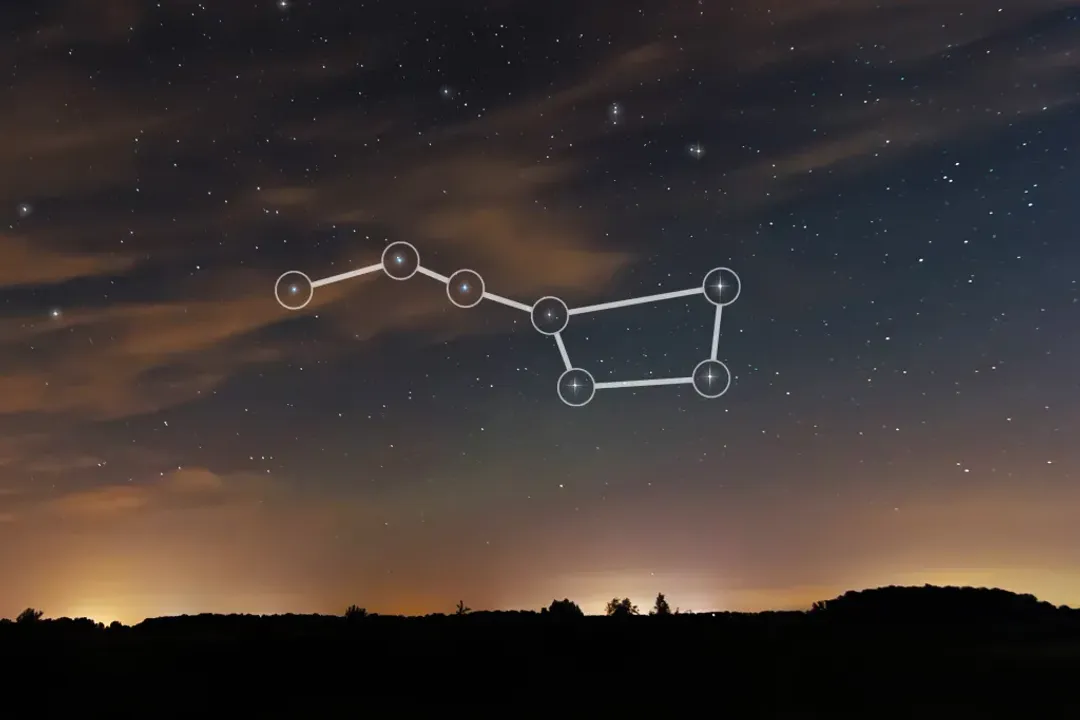
Stars are mostly made of gas, specifically hydrogen and helium. [1][4] Because they are so large, they have a lot of mass, which means they have a very strong gravitational pull. [8] This gravity works to crush the star inward, squeezing all that gas into a tight, dense ball. [1]
Inside the very center of a star, the pressure is intense. It is so hot and squeezed so tightly that the hydrogen atoms are forced to smash into each other and combine to create helium. [5] This process is called nuclear fusion. [4] Fusion creates a massive amount of energy, which pushes outward against the gravity trying to crush the star. [1] It is this constant battle—gravity pulling in and the energy of fusion pushing out—that keeps a star stable and spherical for billions of years. [4]
# Making Energy
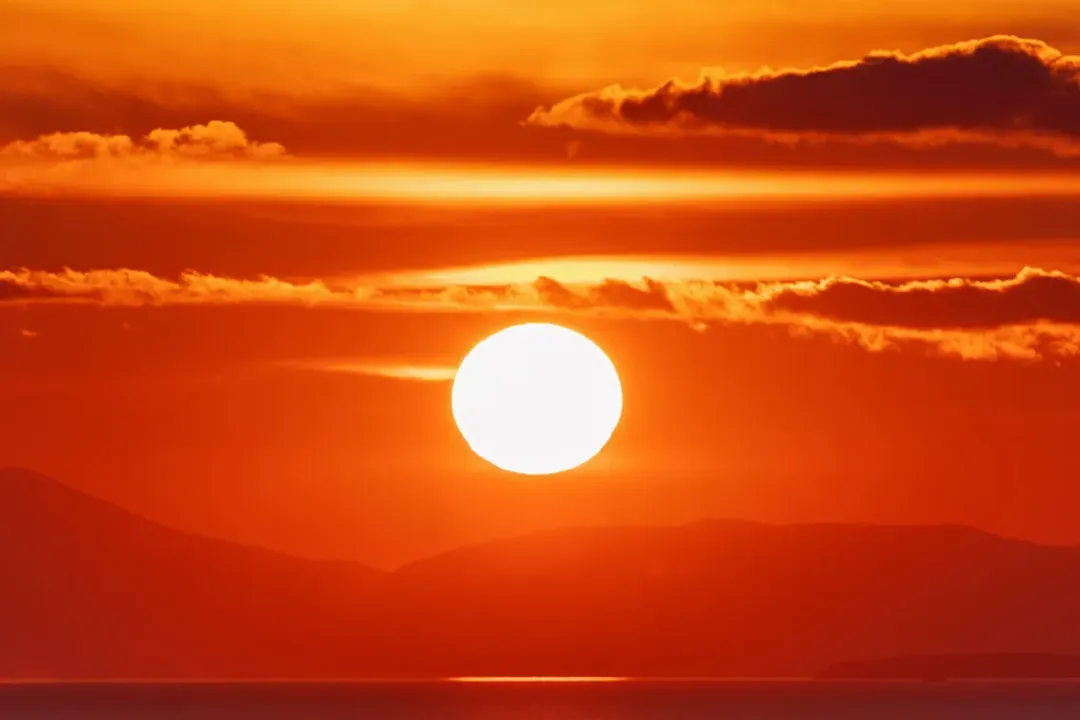
The energy released by nuclear fusion is what makes stars shine so brightly. [5] This energy travels across space in the form of light and heat. [4] Without this process, stars would simply be cold, dark clouds of gas floating in the void.
You might wonder why we can see them if they are so far away. They are so luminous that their light can travel trillions of miles across the universe to reach our eyes. [8] When you see a star, you are looking at light that has been traveling for years, sometimes even centuries, just to reach you. It is like looking back in time.
# Star Colors
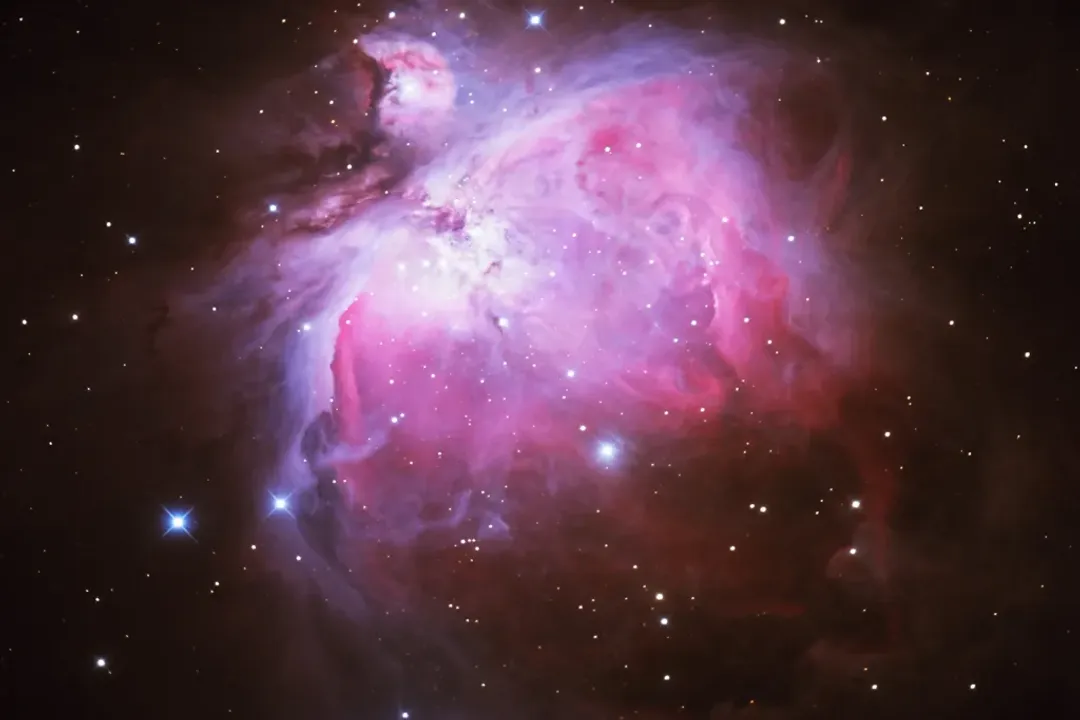
Not all stars are the same. Just like a fire can burn with different colors depending on how hot it is, a star’s color tells you about its temperature. [10] You can think of it like a flame on a stove; usually, the hottest part of the flame is blue, while the cooler parts are red or orange. [8]
Here is a simple way to look at how temperature changes a star's appearance:
| Star Color | Temperature |
|---|---|
| Blue | Very Hot |
| White | Hot |
| Yellow | Medium |
| Red | Cool |
Even though "cool" stars are much colder than blue stars, they are still millions of degrees hot. [8] This variation allows astronomers to group them into different types just by looking at their light. [10]
# Life Cycles
Stars are not permanent. They are born, they grow, and eventually, they die. [4] Their life story begins inside a nebula, which is a giant cloud of dust and gas floating in space. [4] Gravity pulls the dust and gas together until it gets hot enough to ignite, creating a brand-new star. [4]
How long a star lives depends on its size. This is a strange fact of physics: the biggest stars burn their fuel the fastest. [8] They shine extremely brightly but only last a few million years. Smaller stars, like our Sun, burn their fuel much slower, allowing them to shine for billions of years. [4]
When a star runs out of fuel, it changes. Some smaller stars will gently puff off their outer layers and leave behind a small, hot core called a white dwarf. [4] Larger, more massive stars have a more dramatic end. They can explode in a massive blast called a supernova, leaving behind a dense neutron star or, if they are large enough, a black hole. [4]
# The Sun
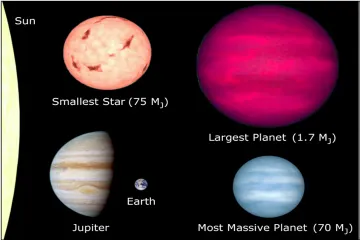
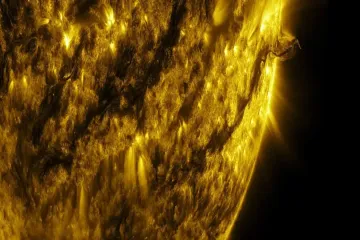
It is important to remember that the Sun is a star. [1] It looks different only because it is much, much closer to us than any other star in the sky. [6] If the Sun were moved to the same distance as the other stars we see at night, it would just look like another tiny, dim light. [1]
The Sun is a medium-sized, yellow star. [6] It is the perfect size and temperature to provide the heat and light needed to support life on Earth. Because it is so close, it dominates our sky during the day, blocking out the light from all the distant stars. [8]
# Why Twinkle
You might notice that stars seem to flicker or "twinkle" when you watch them from your backyard. This is not because the stars themselves are changing. [7] The light from the star travels through the layers of Earth's atmosphere, which is filled with moving air, wind, and different temperatures. As the starlight passes through these moving pockets of air, the light gets bent or refracted.
This is similar to how a straw looks bent when you put it in a glass of water. Because the air in our atmosphere is constantly shifting, the starlight gets wiggled around, making it look like the star is jumping or flickering. [7] If you were standing on the Moon, which has no atmosphere, the stars would look like steady, unmoving points of light.
# Measuring Distance
Measuring distance in space is tricky because numbers like "miles" or "kilometers" are way too small. If you tried to count the miles to the nearest star, you would be counting for a lifetime. Instead, scientists use "light-years". [4]
A light-year is the distance light travels in one single year. Light moves incredibly fast—about 186,000 miles per second. [8] By the time light has traveled for one year, it has covered about 6 trillion miles. Even with this giant measuring stick, the closest star to us (other than the Sun) is over 4 light-years away. [8] This is why even the biggest, brightest stars appear as nothing more than tiny pinpricks in the night sky. They are simply too far for our eyes to see their true size.
#Videos
What Are Stars? - YouTube
All About Stars for Kids: Astronomy and Space for Children - YouTube
Stars in the Solar System | Science for Kids - YouTube
Related Questions
#Citations
star - Kids | Britannica Kids | Homework Help
What Are Stars? - YouTube
Star Basics - NASA Science
Video: What is a Star? - Lesson for Kids - Study.com
All About Stars | K-1 - TIME for Kids
Fabulous Facts about Stars for Kids - Twinkl
Star Facts for Kids
Top 10 Facts About Stars! - Fun Kids - the UK's children's radio station