What colossal event occurs when a high-mass star collapses because it can no longer generate energy?
Answer
Supernova
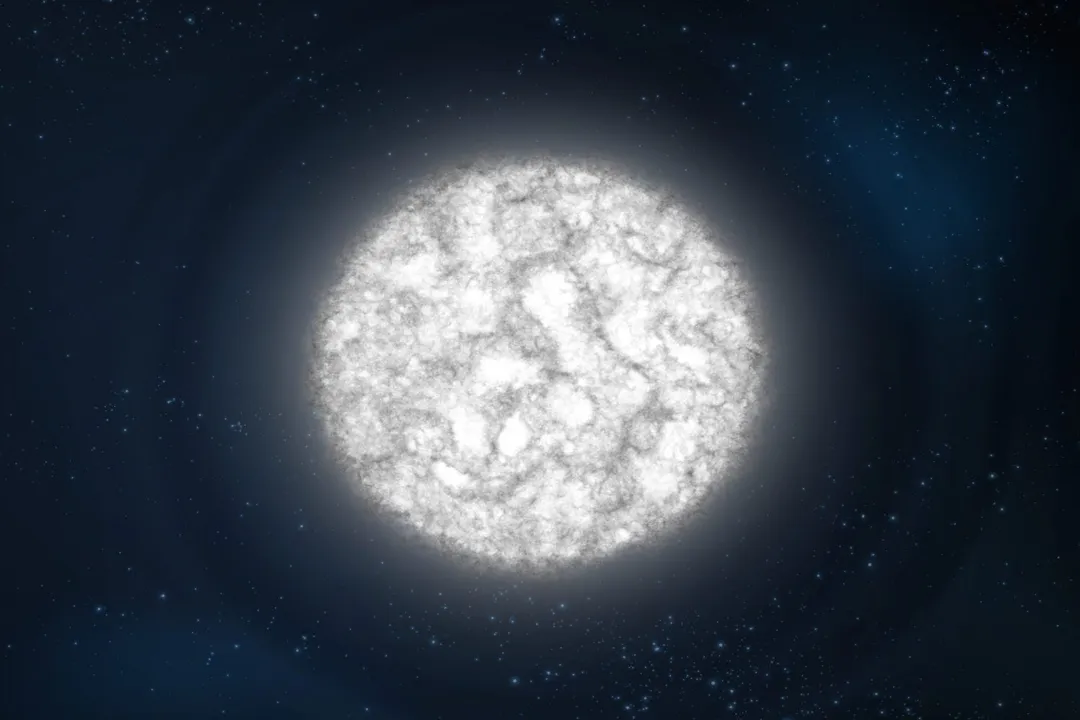
High-mass stars have the ability to fuse progressively heavier elements until they create iron. Once iron is produced, the star can no longer generate the energy required to support itself against gravity. The core collapses in a fraction of a second, causing a violent explosion known as a supernova, which is one of the most energetic events in the universe and can briefly outshine an entire galaxy.
#Videos
Life Cycle of a Star | KS2 Science | STEM and Beyond - YouTube
Lifecycle of a star | Astrophysics | Physics | FuseSchool - YouTube
Related Questions
What are nebulae commonly referred to as in the context of star formation?What term describes a ball of gas and dust that is gathering mass but has not yet begun nuclear fusion?What physical process allows a star to reach the main sequence phase?How does a star's mass affect its lifespan during the main sequence?What will a star similar in size to the Sun become after it runs out of hydrogen?What is the glowing shell of gas created by a medium-sized star at the end of its life?What does a White Dwarf eventually become after cooling down for billions of years?What colossal event occurs when a high-mass star collapses because it can no longer generate energy?What is formed when the remaining core of a high-mass star is too massive for a neutron star to support?Which elements are ejected back into space when stars die to help form new stars and planets?