What celestial characteristic of the host star can mask or mimic the transit signal, making the method impractical?
Answer
High magnetic activity, such as frequent flares or large starspots.
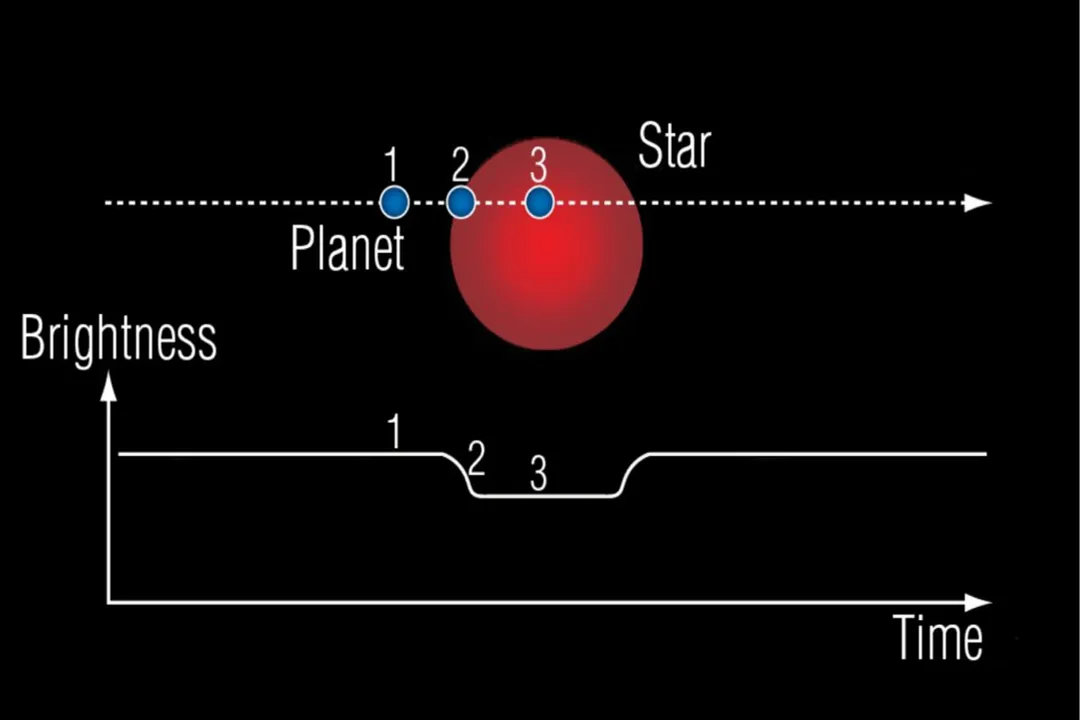
Active stars introduce intrinsic background noise through flares or spots that can mask the tiny, periodic dip caused by a transiting planet, making the required precision unattainable.
#Videos
Searching for Exoplanets: The Transit Method - YouTube
Related Questions
What specific geometric alignment is necessary for the transit method to successfully observe an exoplanet?What measurement technique is fundamental to the transit method?The depth of the dimming during a transit event directly relates to which physical aspect of the system?For which class of host star is the transit method generally most effective?What two orbital characteristics can be determined directly from observing successive transit dips?What crucial piece of information does the transit method *not* provide directly, requiring follow-up observation?Why has the transit method historically favored finding planets in specific orbital configurations?How can the transit method indirectly reveal the presence of a planet that is *not* transiting?What instrumental capability is essential for successfully applying the transit method?What celestial characteristic of the host star can mask or mimic the transit signal, making the method impractical?What specific follow-up application is enabled by the occurrence of a transit event?