Why do operational satellites orbiting in space not need constant thrust to stay aloft?
The near-vacuum environment offers practically no air resistance or friction to slow them down
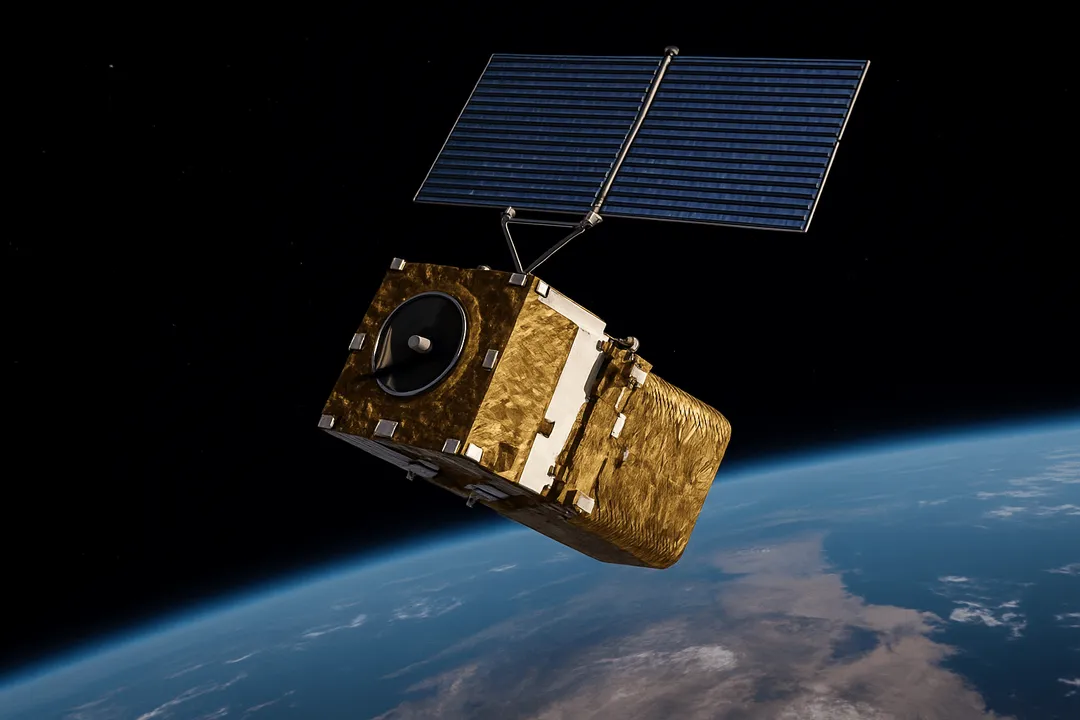
Unlike an airplane which relies on air moving over its wings to generate lift and overcome drag, satellites function in the near-vacuum of the upper atmosphere where operational spacecraft reside. In this environment, the presence of atmospheric molecules is negligible, meaning there is virtually no air resistance or friction acting to decelerate the satellite. Since there is no opposing force (drag) continuously stealing kinetic energy, the satellite can maintain its critical orbital speed—the speed established during launch—for extremely long periods, often spanning many years, without needing onboard propulsion systems for speed maintenance.
#Videos
How Do Satellites Stay in Place? | In Orbit | BBC Earth Science