How is the directional flow defined for a prograde satellite orbit?
Answer
Circling the Earth in the same direction that the Earth rotates (west to east)
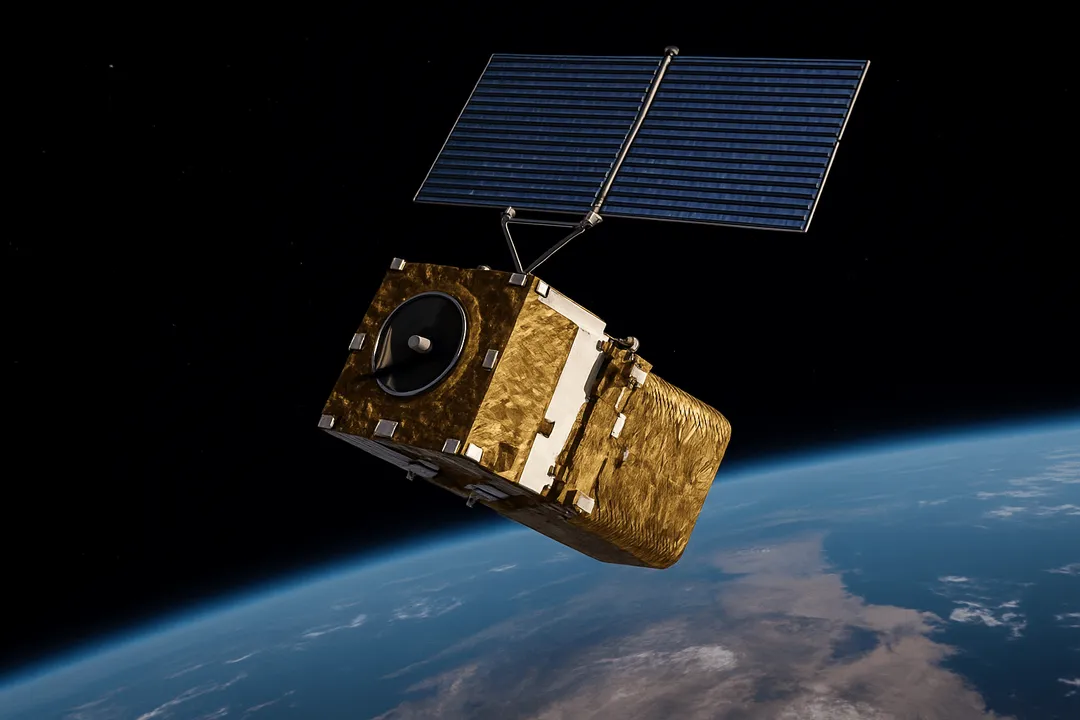
The term prograde describes the orbital direction for the vast majority of operational satellites, including those used for most communication and observation purposes. This direction means the satellite moves in the same direction as the Earth spins on its axis, which is from west to east. Launching into a prograde orbit is preferred because it is the most energy-efficient path to achieve orbit, as the launch vehicle benefits from the initial eastward momentum provided by the Earth's rotation. Conversely, a retrograde orbit moves against this rotation, requiring significantly more energy.
#Videos
How Do Satellites Stay in Place? | In Orbit | BBC Earth Science
Related Questions
What fundamental concept defines an orbit around the Earth?What is the approximate altitude required for a geostationary satellite (GEO)?What primary balance maintains a satellite in orbit without constant thrust?What is the typical orbital speed required for a Low Earth Orbit (LEO) satellite?What must the orbital period of a geostationary satellite exactly match?How is the directional flow defined for a prograde satellite orbit?What is the key consequence of a satellite being placed in a retrograde orbit?What distinguishes the apparent movement of LEO satellites versus GEO satellites for an observer?Why do operational satellites orbiting in space not need constant thrust to stay aloft?Which orbital class is primarily associated with navigation systems like GPS?