What is the zodiac constellations lie along the Sun's apparent path in the sky?
The apparent path the Sun takes across the backdrop of stars throughout the year is a fundamental concept in understanding celestial mechanics and historical astronomy. This specific line in the sky, called the Ecliptic, is the key to locating the group of constellations known as the zodiac. The Ecliptic is not merely an abstract line; it is the direct projection of the plane of Earth’s orbit around the Sun onto the celestial sphere. [4][7] Because all the major bodies in our solar system—the Sun, Moon, and planets—appear to travel along or very near this same plane, this pathway provides a natural celestial highway for observation. [3][7]
# Celestial Path
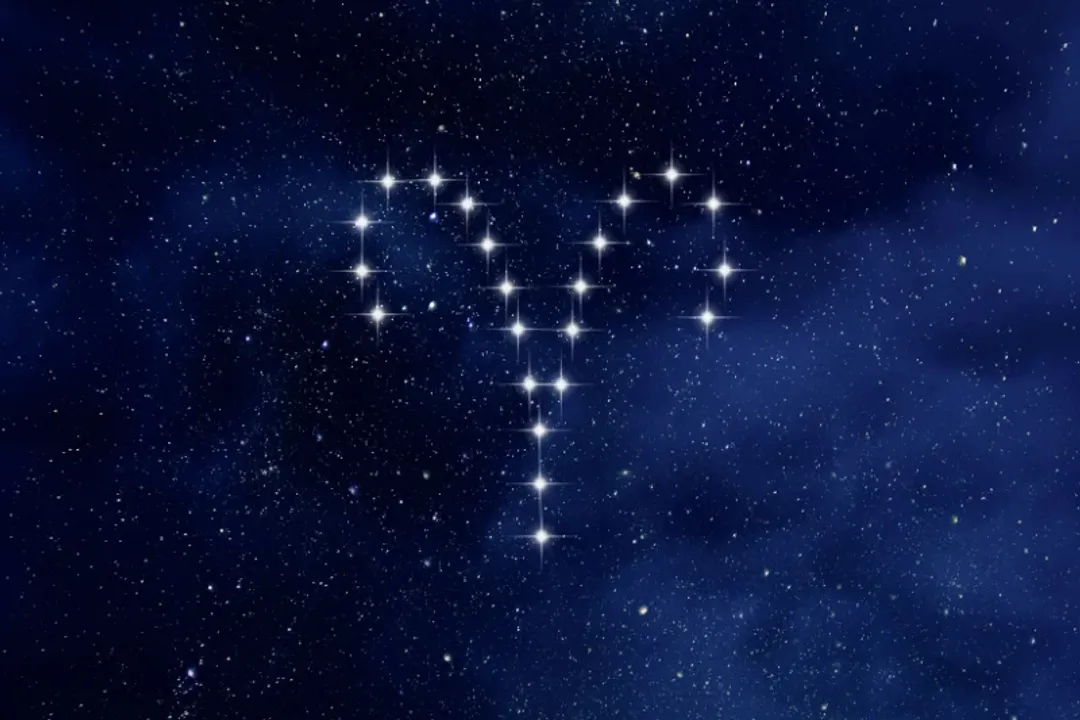
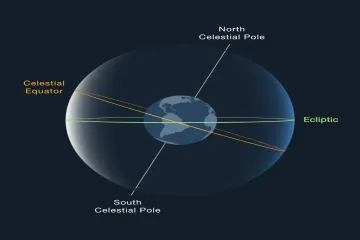
The Ecliptic is formally defined as a great circle on the celestial sphere. [1] It represents the sky’s equator as viewed from the Sun’s perspective, essentially marking the Sun's annual journey as we see it from our shifting vantage point on Earth. [4] If you were to map out where the Sun is located every day at noon throughout the year, those points would trace this exact circle. [7]
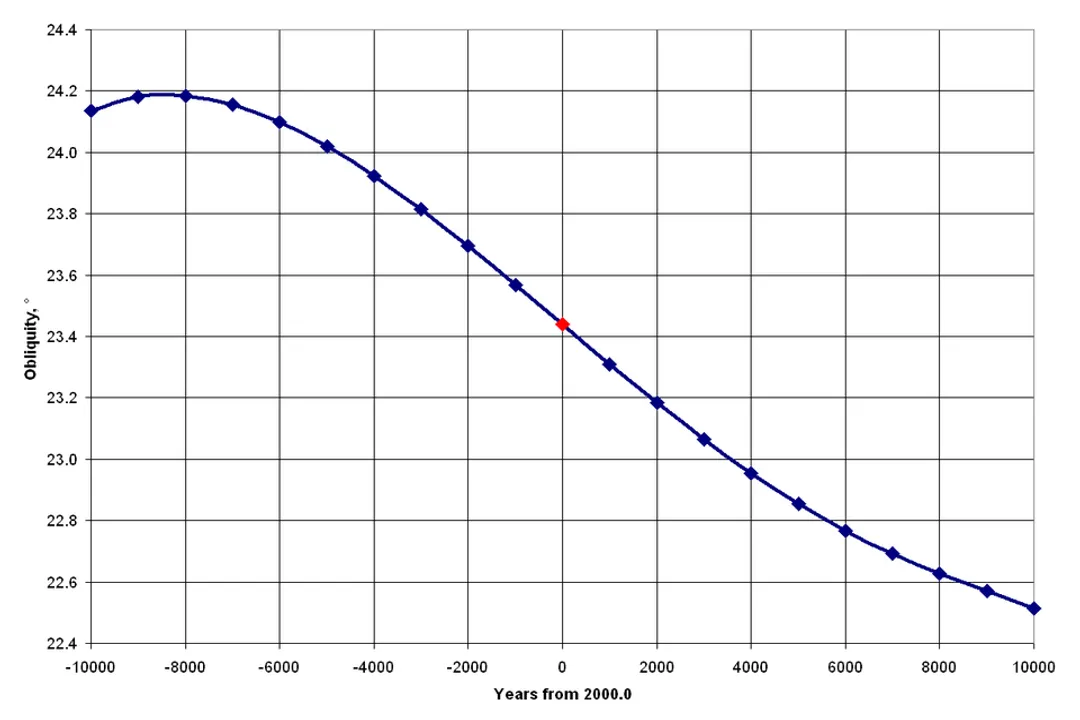
This path is crucial because it dictates the timing of the seasons. The Earth's axis is tilted relative to the plane of its orbit around the Sun, a tilt measuring approximately . [1] This axial tilt is what causes the Sun’s apparent path—the Ecliptic—to cross the celestial equator at an angle, leading to the variation in solar altitude we experience as seasons change. [1] When the Sun crosses the celestial equator moving northward around March 20th (the vernal equinox), it marks the beginning of spring in the Northern Hemisphere, and the Ecliptic is the physical boundary crossed during this transition. [4]
# Zodiac Groupings
The constellations that the Ecliptic passes through are collectively known as the zodiac constellations. [1][4] In the most traditional sense, the Western astrological system recognizes twelve such constellations, each covering roughly of the circle. [8] However, when astronomers map the actual boundaries of the constellations defined by the International Astronomical Union (IAU), the Sun’s path intersects more than just those twelve regions.
The Ecliptic plane actually passes through thirteen constellations recognized by modern astronomy. [5][6] The traditional twelve include Aries, Taurus, Gemini, Cancer, Leo, Virgo, Libra, Scorpius, Sagittarius, Capricornus, Aquarius, and Pisces. [8] The thirteenth, which lies directly along the astronomical path but is typically omitted from the astrological "signs," is Ophiuchus, the Serpent Bearer. [5][6] The Ecliptic crosses through a portion of Ophiuchus's celestial territory between Scorpius and Sagittarius. [5]
This highlights an important difference: the concept of the zodiac evolved from observational markers along the Sun's path, which were formalized centuries ago, but the modern, precisely mapped constellation boundaries do not align perfectly with those older divisions. [5][6]
To provide a clearer view of how the path overlays the sky, consider the approximate time of year when the Sun appears to be in the vicinity of each region (noting that these dates shift slightly due to precession and the specific boundaries used):
| Traditional Sign/Constellation Region | Approximate Time in the Sky |
|---|---|
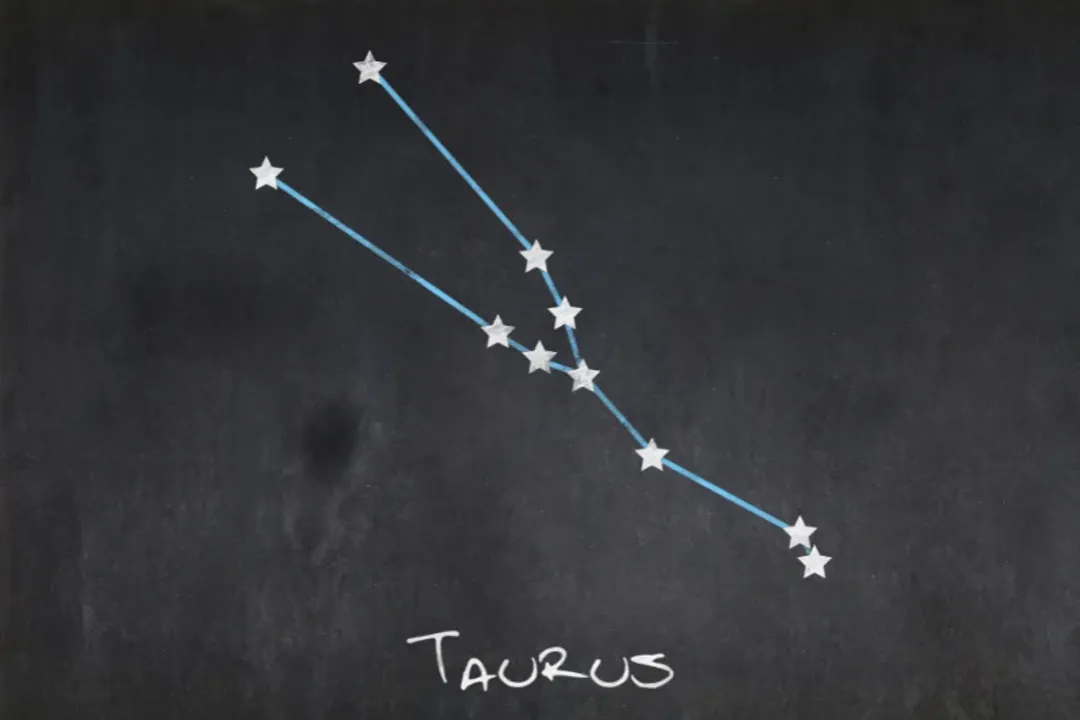
| Aries | Mid-March to Mid-April |
| Taurus | Mid-April to Mid-May |
| Gemini | Mid-May to Late June |
| Cancer | Late June to Mid-July |
| Leo | Mid-July to Late August |
| Virgo | Late August to Late September |
| Libra | Late September to Late October |
| Scorpius | Late October to Late November |
| Sagittarius | Late November to Mid-December |
| Capricornus | Mid-December to Mid-January |
| Aquarius | Mid-January to Mid-February |
| Pisces | Mid-February to Mid-March |
| Ophiuchus (Astronomical) | Late November to Mid-December |
# Path Versus Signs
The terminology surrounding the zodiac can be confusing because the term "sign" often refers to the astrological division ( segments of the sky), while "constellation" refers to the actual, irregularly shaped star group mapped by the IAU. [6] Because the boundaries of these constellations are not evenly spaced or precisely apart, the Sun spends a different amount of time in each constellation. For example, the Sun spends about 45 days in Virgo but only about 7 days in Libra. [5]
This mismatch between the ancient division and the real, irregular shapes of the modern constellations is a key factor in the divergence between astronomical observation and astrological practice. The path itself, the Ecliptic, is geometrically fixed as the plane of our orbit, but the stars within the constellations are not fixed relative to us due to precession. Precession is the slow wobble of the Earth’s axis, which causes the equinoxes to shift westward along the Ecliptic over a cycle of about 26,000 years. [1]
This wobble means that the point where the Sun crosses the celestial equator on the vernal equinox is no longer in the constellation Aries, where it was when the system was first codified. Today, the Sun actually enters Pisces around the time of the vernal equinox, illustrating that the "age" associated with a constellation changes over millennia. [1] Understanding that the Ecliptic is the physical, measurable path, while the signs are historically fixed divisions, clarifies why there is often discrepancy in dating mentioned in different contexts.
# Observation Context
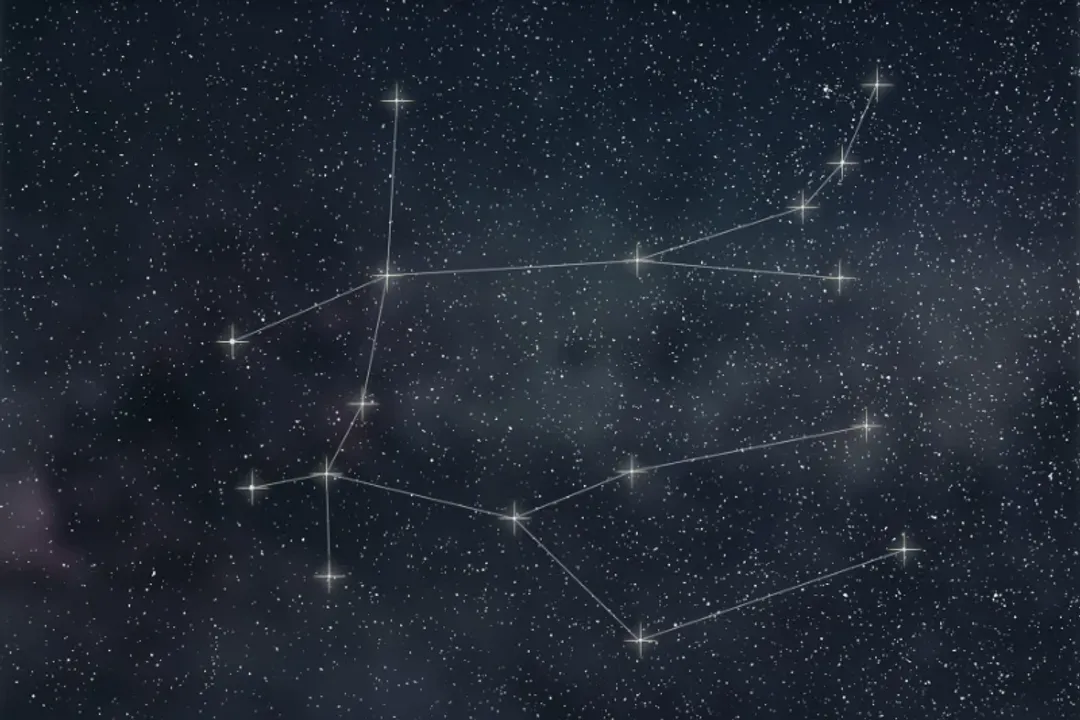
The constellations that lie along the Sun's apparent path are not visible during the day, as the Sun’s brightness washes them out. [3] To see a specific zodiac constellation, one must look toward the sky opposite the Sun's position. Therefore, the constellation that is highest in the sky around midnight is generally the one directly opposite the Sun in the Ecliptic plane. [3] For instance, when the Sun is in Sagittarius during December, Sagittarius is generally obscured by daylight, while Capricornus and Aquarius might be visible in the evening sky, and Gemini or Cancer might be rising as the Sun sets.
When studying the Ecliptic, it is also helpful to remember that the Moon and the major planets will always appear near this line because they orbit the Sun in a plane very close to Earth's orbital plane. [7] If you spot Jupiter or Saturn, you know you are observing an object near the Ecliptic, and thus, near the celestial region where the zodiac constellations reside. [7] Tracking the Moon is perhaps the easiest way to trace the Ecliptic night-to-night, as it moves about eastward along that path daily. [1] It can be interesting to note that for observers in the Northern Hemisphere, the Ecliptic rises highest in the sky during the summer months, when the Sun is highest overhead, and sinks lowest during the winter months. [4] This directly mirrors the seasonal change caused by the axial tilt mentioned earlier, serving as a constant, predictable marker for the time of year.
#Videos
The Ecliptic: Crash Course Kids #37.2 - YouTube
Related Questions
#Citations
Ecliptic - Wikipedia
Glossary term: Ecliptic - IAU Office of Astronomy for Education
How the Ecliptic and the Zodiac Work - Space
The ecliptic is the path of the sun - EarthSky
The Ecliptic: Crash Course Kids #37.2 - YouTube
The scientific reason you should know the constellations of the zodiac
What Is the Ecliptic: The Sun's Path In the Sky - Star Walk
The 12 Zodiac Constellations and Their Origins - Centre of Excellence
AstroPages | Zodiac | Western Washington University