What do the constellations of the zodiac follow?
The fundamental concept determining which constellations the zodiac "follows" is the specific celestial path traced by the Sun across our sky throughout the year. [2][4] This defined route is known as the ecliptic. [2][4][5] It represents the plane of Earth’s orbit around the Sun projected onto the celestial sphere. [5] Any constellation that visibly intersects this great circle is considered a zodiac constellation. [2][4][5] It is less about the constellations following each other in a fixed line and more about them lying along this shared plane dictated by our solar system's geometry. [5]
# Celestial Track
The ecliptic serves as the reference line for mapping the heavens from our perspective on Earth. [5] Think of it as the celestial equivalent of the equator, but for the Sun's apparent yearly path, rather than the sky's center point. [2] Because the Earth orbits the Sun, our viewing angle changes, causing the Sun to appear to move against the backdrop of distant stars month by month. [4] The constellations that happen to lie along this narrow band are the ones designated as zodiacal. [4] This path is crucial not just for identifying these specific constellations but for the entire history of positional astronomy and celestial navigation. [5]
If we imagine the solar system flattened out, the ecliptic is the centerline of that plane. [5] The zodiac constellations are simply the larger, established star patterns that happen to straddle this line, making them the natural markers for tracking the Sun’s annual progress. [1][4]
# Sequence Order
When discussing the zodiac, the most common ordering refers to the sequence established by historical astronomy and used in Western astrology. [1] This sequence follows the order in which the Sun appears to enter each constellation, starting with Aries. [1][6] This order is not arbitrary; it reflects the directional progress of Earth’s orbit around the Sun. [4]
The traditional sequence of the twelve zodiac constellations is:
This 12-part division forms the basis of the astrological signs, which are precisely demarcated sections of the sky. [2][9] The Sun spends roughly one month traversing the region associated with each of these twelve signs. [4]
# Two Zodiacs
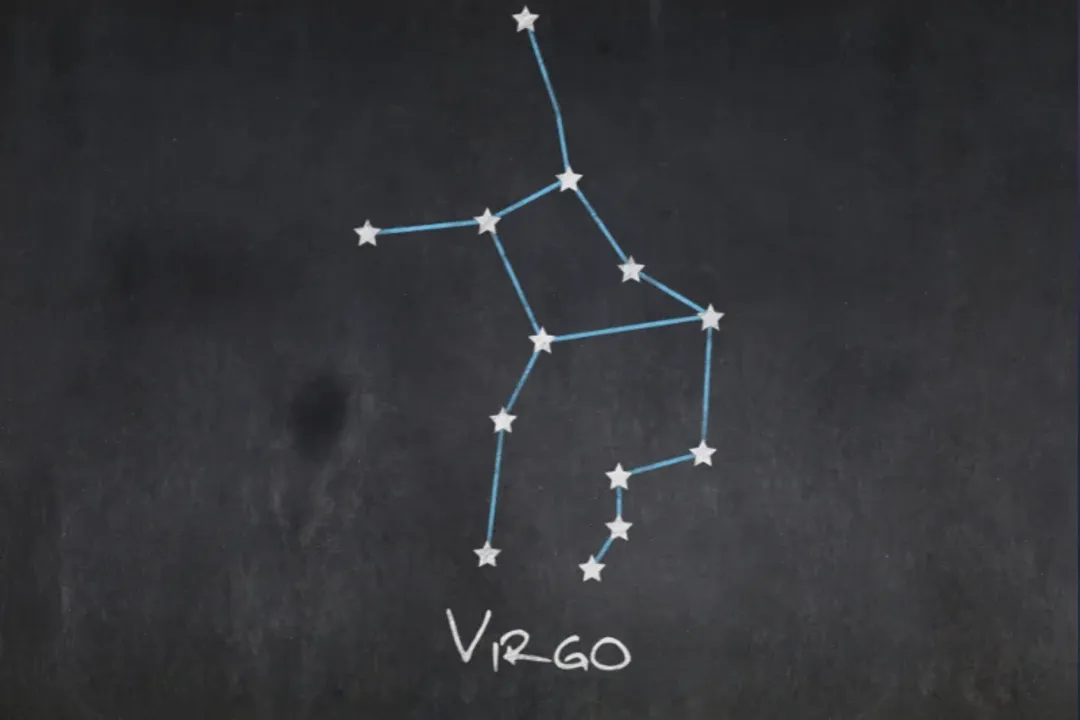
A significant point of understanding arises when comparing the astronomical zodiac constellations with the astrological zodiac signs. [2][9] Astronomically, the zodiac constellations are irregularly shaped areas of the sky that the Sun passes through. [2][5] Astrologically, however, the zodiac is divided into twelve equal segments, regardless of the actual size of the corresponding constellation. [2][9]
This divergence is explained by the precession of the equinoxes. [2][9] Due to a slow wobble in the Earth's axis, the location where the Sun crosses the celestial equator (the vernal equinox point) shifts westward over long periods. [2][9] When the zodiacal system was formalized centuries ago, the signs aligned closely with the constellations that bore their names. [9] However, due to precession, the constellations have shifted their apparent positions by about a month relative to the fixed astrological sign dates. [2]
For example, if someone has a Sun sign of Leo based on the astrological calendar, their birth date might correspond to the time when the Sun is actually physically passing through the established boundaries of the constellation Cancer when viewed from Earth. [2] If an observer were to use modern astronomical charts, they would find the Sun's position does not strictly map onto the traditional astrological boundaries. [9]
If we consider the physical sky recognized by the International Astronomical Union (IAU), the number of constellations intersected by the ecliptic is actually thirteen, not twelve. [2][5]
# The Thirteenth Figure
The IAU recognizes Ophiuchus, the Serpent Bearer, as being cut by the ecliptic, positioned between Scorpius and Sagittarius. [2][5]
| Constellation | Ecliptic Intersection Status | Traditional Zodiac Inclusion | Key Characteristic |
|---|---|---|---|
| Aries through Pisces | Yes | Yes (12 total) | Form the basis of the astrological system. [2][9] |
| Ophiuchus | Yes | No (Astronomically recognized) | Lies between Scorpius and Sagittarius along the ecliptic. [2][5] |
The inclusion of Ophiuchus mathematically disrupts the neat, equal divisions of the astrological system because the constellations themselves vary greatly in size. [2] Scorpius, for instance, occupies a very small portion of the ecliptic path compared to some others. [5]
# Constellation Characteristics
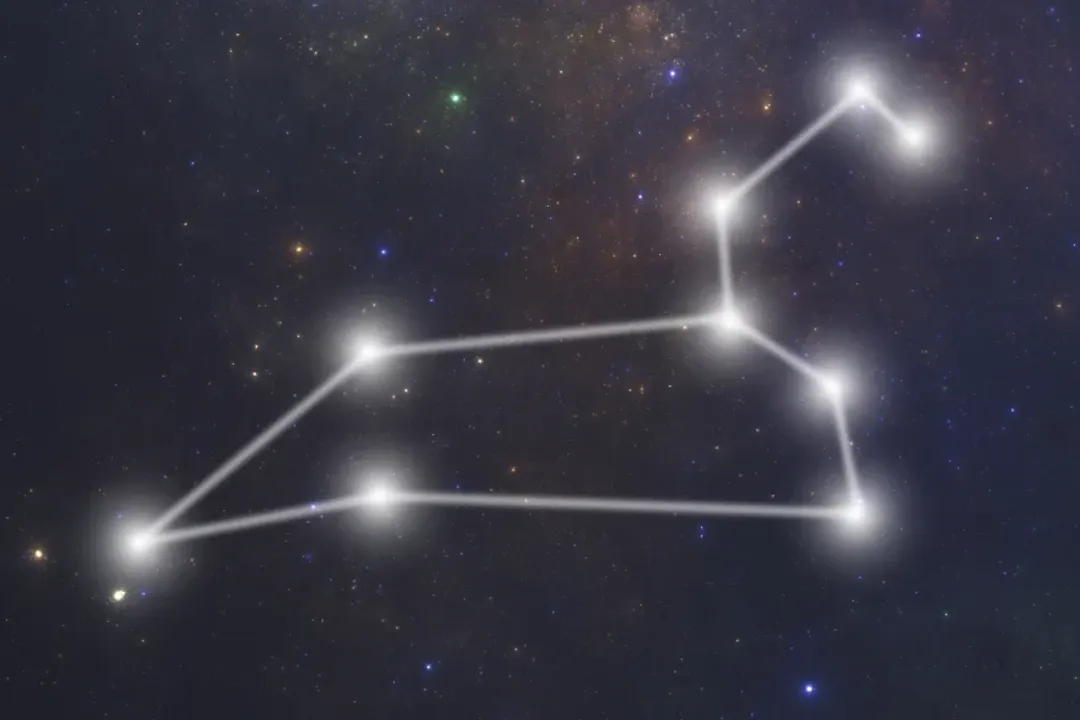
While they all share the commonality of lying on the ecliptic, the zodiac constellations themselves are widely different in appearance, brightness, and size. [1][8] They are not uniform celestial blocks but rather constellations, which are officially defined by the IAU to cover specific, irregular areas of the sky. [2]
The visibility of these patterns changes throughout the year. [4] To see a zodiac constellation clearly at night, the Sun must appear to be in the constellation after it in the sequence, as this places the Sun's glare behind the observer relative to the constellation in question. [4]
Scorpius is often noted for being one of the more distinctive and easily recognizable zodiac constellations, largely due to its bright stars and clear, curved shape. [1][8] Conversely, some others, like parts of Pisces or Cancer, can be much fainter or more spread out, making them less immediately obvious to the casual observer. [8] Observing any of them requires dark skies, as light pollution washes out all but the brightest stellar groupings. [4]
The ancient Babylonians were among the first to recognize the importance of these constellations along the Sun's path, developing the idea of the zodiac based on these celestial markers. [2] Even though our modern understanding of the solar system's geometry is far more precise, the ancient observational groupings remain the names we use today. [2][4] The path itself dictates the following: if a constellation does not cross the ecliptic, it cannot be a zodiac constellation, no matter how prominent it might be elsewhere in the sky (like Orion). [5]
# Viewer Experience
For anyone interested in locating these specific constellations, the concept of the ecliptic provides the best map. [5] If you can identify the general area where the Sun sets or rises—especially around the solstices or equinoxes—you are looking along the ecliptic plane. [4] Any prominent constellation visible near that arc at night is likely one of the zodiac figures. [4]
Understanding that the constellations follow the ecliptic means that the celestial geometry is stable, even if our calendar dates for the signs are not perfectly aligned with the constellations themselves. [2][9] The Earth’s orbit defines the path, and the constellations are merely the background figures scattered along it. [5] This distinction is key: the ecliptic is the rule of motion; the constellations are the labels we assign to the background scenery along that motion. [2]
#Videos
What makes the Zodiac Constellations special? - YouTube
Related Questions
#Citations
Constellations of the Zodiac in Order
Zodiac - Wikipedia
Constellations of the Western zodiac - Space
Zodiac Signs & Constellations Names - Star Walk
Zodiac Constellations
What makes the Zodiac Constellations special? - YouTube
Exploring the 12 Zodiac Constellations and Their Meanings
The 12 Zodiac Constellations and Their Origins - Centre of Excellence
An introduction to the zodiac signs - CHANI